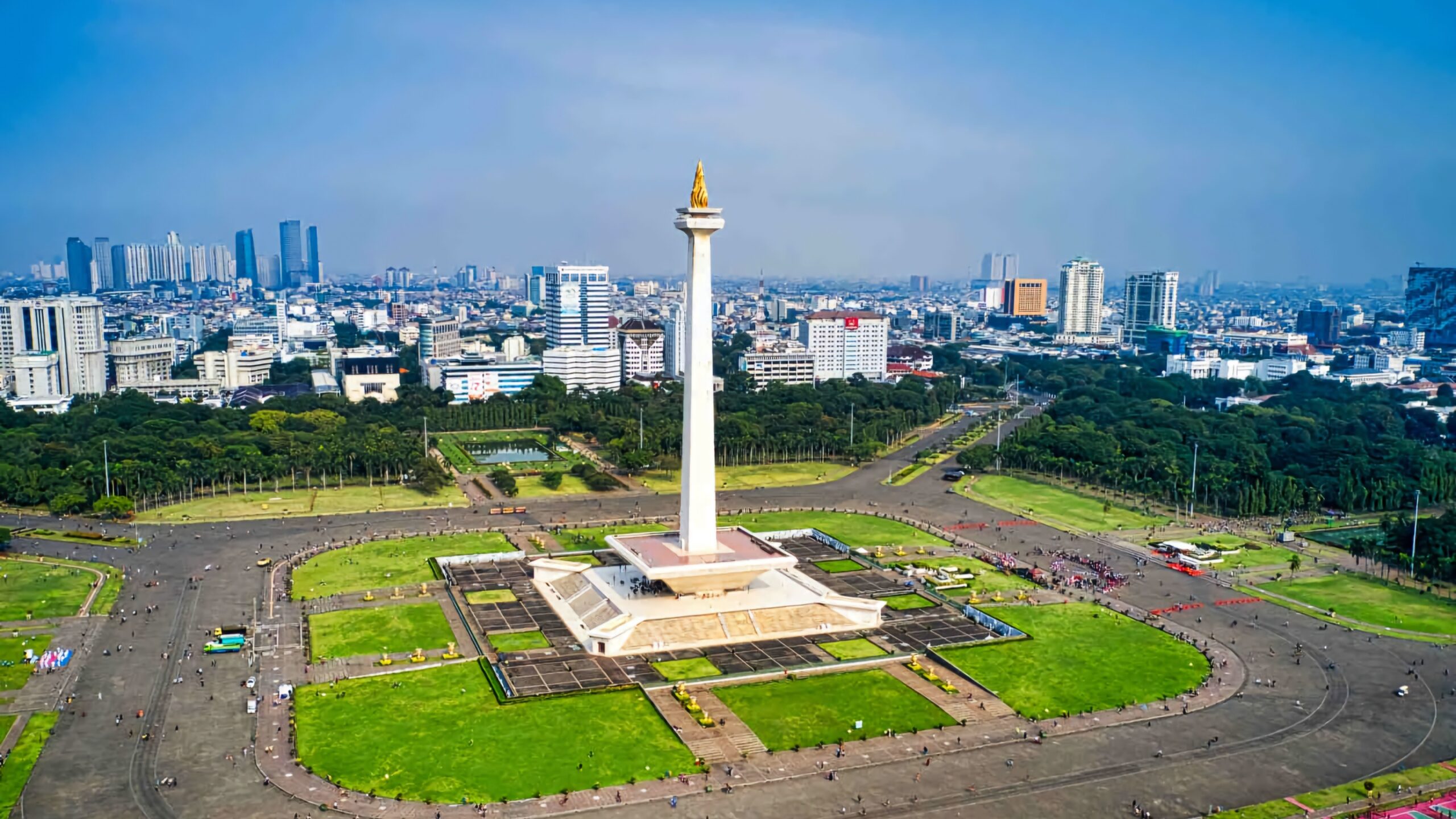
Jakarta is not just Indonesia's economic capital. It is the command centre for decisions that affect the entire country and, increasingly, the broader Southeast Asian region. Investment committees meet here. Regional headquarters sit here. The firms, funds, and multinationals that drive capital allocation across the archipelago are based here.
For the teams making those decisions, the research challenge is structural. Jakarta provides the institutional infrastructure. It does not always provide the ground-level intelligence that decisions require. That intelligence lives in the markets, in the operators, and in the practitioners who have worked inside the sectors being researched. Expert networks are the mechanism that connects Jakarta-based decision-makers to that intelligence.
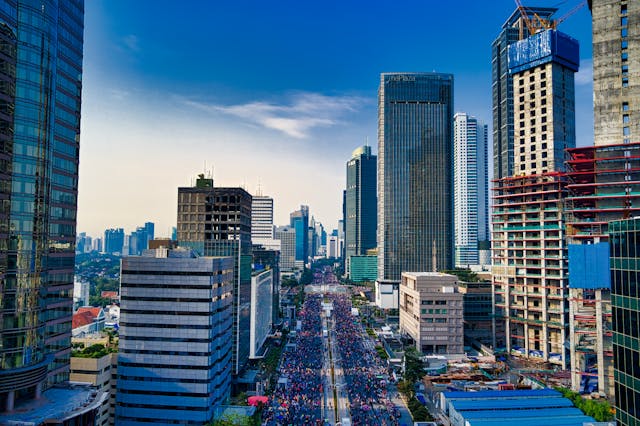
Jakarta secured IDR 241.9 trillion in total investments during 2024, equivalent to 14.1% of the national figure, with overall investment performance surging 45.1% compared to 2023.That scale of capital concentration means the city hosts a dense cluster of investment professionals, strategy teams, and corporate executives who need current, specific, and reliable intelligence on a continuous basis.
Jakarta is expected to remain the hub of the Indonesian economy for at least the medium term, anchoring the nation's investment landscape.Even as the administrative capital shifts to Nusantara, Jakarta retains its function as the centre of commercial activity, financial services, and corporate decision-making.
The research needs that flow from this concentration are significant. A PE fund evaluating a consumer goods acquisition needs Indonesia-specific practitioner intelligence. A multinational strategy team assessing market entry into Tier 2 cities needs operators who have actually distributed products outside Java. A consulting firm advising on regulatory changes needs practitioners with current in-market knowledge of how those changes are being implemented at the ground level.
The research mandates that flow through Jakarta consistently cluster around a set of sectors that reflect the city's role as a financial and commercial hub.
Jakarta is home to Indonesia's major banks, investment firms, and the country's fastest-growing fintech ecosystem. AI adoption in e-commerce logistics has reduced delivery times by 30%, with Jakarta as the main hub but other cities emerging as innovation centre. Teams researching this sector need practitioners who understand how digital financial services are penetrating segments that traditional banking has not reached.
Indonesia's consumer market is one of the largest in Southeast Asia. The complexity of distribution across general trade and modern trade channels, and the variation between urban and provincial consumer behavior, makes this a sector where primary intelligence from operators consistently outperforms published research.
Healthcare investment in Indonesia has accelerated significantly. Jakarta-based PE and strategic teams evaluating hospital networks, pharmaceutical distribution, and medical devices need practitioners with direct operational experience in how the sector functions, not just how it is described in market reports.
Indonesia's young and tech-savvy population is driving explosive growth in e-commerce and fintech, with fintech revenue projected to reach over USD 8.6 billion by 2025. Investment teams tracking this sector need current intelligence on competitive dynamics, unit economics, and regulatory developments that move faster than any published source.

The limitation of Jakarta as a research base is the same limitation that Singapore-based teams face when researching regional markets. Physical proximity to the decision-making infrastructure does not translate into proximity to the operational intelligence that informs those decisions.
A Jakarta-based investment team evaluating an asset in Surabaya is not in Surabaya. A consulting team advising on distribution economics in Eastern Indonesia has not operated a distribution network there. Expert networks close this gap by connecting teams in Jakarta directly with practitioners who have the specific operational experience the research requires.
The difference between a good expert match and a poor one is the difference between a regional analyst who has observed the market and an operator who has run a business inside it. In Indonesia's most complex sectors and geographies, that difference is material.
For teams conducting research across Indonesia's markets from a Jakarta base, and for firms looking at the broader Southeast Asian opportunity, the quality of expert access determines the quality of the intelligence that drives decisions.
Konnect is a global expert network connecting organizations with experienced industry professionals across 500+ sub-verticals to access real-world insights and informed perspectives. With strong expertise across Southeast Asia and global markets, Konnect facilitates structured conversations that help decision-makers better understand industries, market dynamics, and emerging opportunities.
Konnect's depth of coverage across Indonesia means research mandates from Jakarta-based teams can access practitioners at the specific market, sector, and seniority level the decision requires. Most engagements move from brief to first expert call within seven days.

Connect with Konnect and get matched with the right specialist within hours.