
Global hedge funds allocated less than 4% of assets under management to Southeast Asia as recently as 2023. Returns from the region's equity markets, over that same period, outpaced both developed markets and China. That gap between allocation and performance is closing fast, and the funds moving earliest are building their research infrastructure now.
Alpha opportunities in traditional markets are compressing. Southeast Asia stands out as one of the few remaining regions where information asymmetry, structural growth, and market inefficiency still converge at scale. For funds willing to invest in genuine ground-level intelligence, the opportunity is real. It is also narrowing.
Southeast Asia's combined GDP crossed USD 3.8 trillion in 2025, with Indonesia, Vietnam, and the Philippines contributing the majority of incremental growth. Indonesia's IDX Composite posted over 12% annualised returns in local currency terms across the three years to end-2025 (IDX Annual Statistics, 2025). Vietnam's VN-Index continued recovering from its 2022 lows, driven by manufacturing FDI inflows that surpassed USD 18 billion in 2024 (Vietnam MPI, FDI Report 2024).
For hedge funds specifically, the more significant structural fact is coverage density. Sell-side analyst coverage of mid-cap Indonesian listed companies averages fewer than two analysts per stock. Comparable companies in South Korea or Taiwan attract eight or more (CLSA ASEAN Equity Research Coverage Report, 2024). That is not a risk premium. For funds with the right research infrastructure, that coverage gap is precisely where differentiated returns get built.

Sustained compression of allocations to Chinese equities has pushed global funds to search actively for alternative Asia-Pacific exposure. Regulatory uncertainty, geopolitical risk premiums, and index reweightings have all contributed to the shift. Southeast Asia, particularly Indonesia and Vietnam, offers manufacturing FDI tailwinds, domestic consumption stories, and demographic dividends that operate independently from China's economic cycle.
Long/short managers have found compelling pair-trade opportunities between ASEAN supply chain beneficiaries and their Chinese counterparts. The thesis is structural, not cyclical. It does not depend on China underperforming. It depends on Southeast Asia outgrowing its current allocation weight.
Indonesia's pension reform and the expansion of BPJS Ketenagakerjaan's investment mandate are deepening local capital pools across the region. Malaysia's EPF remains the world's seventh-largest pension fund by assets (Global Pension Assets Study, Thinking Ahead Institute, 2025). Both developments create more stable market structure and more predictable liquidity windows, two factors that have historically deterred hedge fund participation in frontier markets.
Liquidity depth is improving across the region's exchanges. Thailand's SET and Malaysia's Bursa have both seen increased daily turnover from foreign institutional flows since 2023. Market microstructure, while still developing, is meaningfully more accessible than five years ago.
Southeast Asia's digital economy reached USD 263 billion in GMV in 2024, according to the Google-Temasek-Bain e-Conomy SEA Report. The region's leading platforms, GoTo, Sea Limited, and Grab, have shifted from growth-at-all-costs toward disciplined unit economics. That transition creates a new generation of pricing and positioning opportunities for short-sellers and special situations funds.
Three years ago, most of these platforms were burning cash and immune to fundamental analysis. Today, unit economics matters. Margin trajectories are being priced, and the spread between operators who can execute on profitability and those who cannot is becoming tradeable.
Konnect's View
Across expert engagements with hedge fund and asset management clients active in Southeast Asia, the most consistent challenge we hear is not market access. It is information velocity. Funds that compress the time between hypothesis and expert validation are consistently finding edge in markets where public data alone falls short.
The opportunity in Southeast Asia is not uniform. How a fund approaches research and position sizing depends significantly on strategy type.
Indonesia's consumer and financial sectors offer some of the richest fundamental divergence opportunities in Asia. The gap between companies with genuine distribution reach into tier-2 and tier-3 cities and those that only appear to have it is invisible from financial filings alone. Primary research through operators, distributors, and channel partners remains the only reliable way to stress-test management narratives in this market.
Position sizing confidence requires more than broker notes. Funds running concentrated books in Indonesian consumer or financial names increasingly rely on expert networks to validate or contradict what management presents publicly. That layer of primary intelligence is what separates a thesis from a conviction.
Currency and rates dynamics across ASEAN are diverging from one another. The Indonesian rupiah, Thai baht, and Vietnamese dong each respond to different sovereign and external variables. Building positions around monetary policy divergence within the region requires expert-level understanding of local central bank frameworks, territory where sell-side research consistently falls short.
Macro funds active in this space are supplementing quant signals with conversations with former central bank officials and sovereign debt advisors. These experts understand how policy actually gets transmitted at the local level, a layer of context that no data terminal provides.
Southeast Asia's regulatory reform pipeline is generating a steady flow of event-driven opportunities. Indonesia's Omnibus Law implementation, Vietnam's securities market upgrade toward MSCI Emerging Market inclusion, and Malaysia's New Industrial Master Plan each create catalysts that require deep jurisdictional knowledge to price accurately (MSCI Market Classification Review, 2025).
Primary intelligence sourced from former regulators and policy advisors is the only input that materially compresses uncertainty ahead of these catalysts. Public disclosures and broker commentary arrive too late and too sanitised to generate an actionable edge.
Southeast Asia's information environment rewards speed and specificity. Broker notes, company filings, and industry reports are widely available. They are also widely priced in. The differentiated edge sits in the layer below: conversations with former regulators who understand how policy actually gets implemented, operators who know which distribution claims are real, and sector specialists who have lived cycles that databases only partially capture.
Konnect connects hedge funds with vetted senior experts across Indonesia, Malaysia, Vietnam, Thailand, and the broader SEA region, typically within 24 to 48 hours of a request. The network covers 300,000+ experts across financial services, consumer, industrial, healthcare, and digital sectors, with strong depth across ASEAN mid-cap and private company ecosystems that global legacy networks routinely underserve.
Researching a Southeast Asia thesis? Speak with a Konnect expert in your sector
Southeast Asia sits at an inflection point. The dynamic resembles China's equity markets in the early 2010s, a period where funds that invested in genuine ground-level research infrastructure compounded significant alpha before mainstream institutional capital fully arrived.
That window does not stay open indefinitely. Sell-side coverage is expanding, and more global funds are building dedicated ASEAN teams. The information asymmetry that defines the current opportunity will compress as institutional attention scales. Funds building their Southeast Asia intelligence capability now, through primary research, expert networks, and on-the-ground relationships, are best positioned before coverage and competition converge.
Hedge fund-grade primary research 24 to 48 hour turnaround. 1million+ vetted experts across Asia Pacific.
A global private equity firm with healthcare sector coverage across Asia Pacific was conducting due diligence on a potential platform acquisition in Malaysia's private hospital services space. The deal scope covered both hospital-based care and the pharmaceutical distribution layer feeding it, two sub-sectors with distinct dynamics that the firm's internal team had limited current exposure to in the Malaysian market.
The fund's preliminary IC materials were due within three weeks. The team needed validated primary research covering market structure, payer mix economics, utilisation trends, and the competitive positioning of the target's key brands. Standard sell-side research on Malaysia's private healthcare market runs 12 to 18 months behind actual conditions. Operator-level intelligence, sourced quickly, was the only viable path to conviction.
Before engaging Konnect, the investment team had reached out to two legacy expert networks. Both returned profiles of healthcare executives based in Singapore or globally, individuals with historical familiarity with Malaysia's market but no current operational exposure. The fund's lead analyst described the output as "directionally useful, but not what we needed for conviction."
Within 24 hours of receiving the brief, Konnect's research team identified a shortlist of 11 candidates across two target profiles: current senior operators within Malaysia's private hospital groups, and active brand and commercial leaders within the pharmaceutical distribution channel. The search focused explicitly on individuals with current, or commercial responsibility, not advisory or historical roles.
All candidates were screened against the fund's compliance requirements and a structured set of criteria provided by the investment team. Screening covered payer mix exposure, inpatient vs outpatient revenue splits, referral network dynamics, and pharmaceutical channel economics.
Five expert calls were conducted across five business days. Two sessions featured current senior executives at one of Malaysia's largest integrated private hospital operators, covering commercial strategy, utilisation growth, and payer mix evolution across its flagship hospital brands. Two further sessions covered current pharmaceutical brand and commercial leaders at a leading pharmaceutical distribution company in Malaysia, addressing pricing dynamics, government tender channels, and private market competition.

Payer mix across the operator's flagship brands had shifted meaningfully toward higher-margin international patients and corporate insurance in 2024 to 2025. This shift was not visible in publicly reported revenue figures. It was material to forward EBITDA margin assumptions, and it strengthened the fund's confidence in the organic revenue growth thesis.
The same expert confirmed that patient acquisition costs through referral networks had declined as brand reputation compounded. Occupancy rates at key facilities were operating near capacity, validating pricing power assumptions without requiring additional greenfield capital.
Government tender channel margins had compressed approximately 3 to 5 percentage points over 24 months, driven by renegotiations with the relevant health authority. Private channel growth had more than offset this pressure, but the net effect on blended margins was not reflected in consensus estimates.
This nuance fundamentally changed how the team modelled the target's pharmaceutical distribution exposure. The finding also pointed toward a broader dynamic: private healthcare demand in Malaysia was absorbing government channel pressure across the supply chain, not just at the hospital level.
"We've used multiple expert networks for Asia Pacific due diligence. What stood out with Konnect wasn't just speed. It was relevant. Every expert they put in front of us was currently operating in the market, not advising from the sidelines. For a deal with our timeline, that distinction was the difference between conviction and uncertainty."
Vice President, Healthcare Coverage, Global Private Equity Firm
Five expert calls, completed within one week, gave the investment team the primary intelligence needed to finalise IC materials ahead of the three-week deadline. Three of four key unknowns in the diligence checklist were resolved directly through Konnect sessions: payer mix trajectory, pharmaceutical channel margin dynamics, and regulatory supply constraints.
The deal team proceeded to exclusivity. Two of the five experts were subsequently re-engaged for a second round of calls as diligence advanced toward signing. Insights from the Konnect sessions were cited directly in the preliminary IC memo.
Total time from initial brief to final expert call: 7 business days.
Konnect is a global expert network connecting organizations with experienced industry professionals across 500+ sub-verticals to access real-world insights and informed perspectives. With strong expertise across Southeast Asia and global markets, Konnect facilitates structured conversations that help decision-makers better understand industries, market dynamics, and emerging opportunities.
Most companies entering Southeast Asia do their homework. They commission market reports, read industry publications, and review macroeconomic data. The research process feels thorough. The slide deck looks credible. The investment committee approves the budget.
Then they get on the ground and discover the market works nothing like the reports described.
This pattern repeats across industries, geographies, and deal types. Companies often underestimate Southeast Asian markets precisely because surface-level familiarity creates a false sense of readiness. The problem is rarely a lack of data. It is an over-reliance on the wrong kind.
Public reports, broker notes, and industry surveys are useful starting points. They establish macro context, baseline metrics, and sector-level trends. The issue emerges when teams treat these inputs as sufficient for decision-making rather than as a foundation for deeper investigation.
Southeast Asia is not a single market. Each country operates on distinct policy trajectories, consumer behaviors, and competitive dynamics. A report covering "ASEAN consumer trends" flattens that complexity into averages. Averages do not tell you whether a distribution channel works in tier-3 Indonesian cities. Averages do not explain why a pricing model that succeeded in Thailand struggled in Vietnam. Operators who have lived those specifics do.
The research gap is structural, not accidental. Sell-side coverage of mid-cap and private companies across the region remains thin. Local-language market intelligence rarely surfaces in English-language reports. Regulatory nuance often gets lost in translation between local advisors and global headquarters. The most foundational expansion mistake is jumping in without enough of the right research, not research in general, but the kind that validates assumptions rather than just confirming them.

Teams entering new markets tend to search for evidence that supports their thesis. That is human, and it is expensive. Analysts pull reports that confirm demand exists. Consultants present frameworks that validate the opportunity. Internal champions protect the narrative that got the project approved.
Primary research disrupts that cycle. A direct conversation with a former regulator reveals how a licensing framework actually works in practice, not how it reads on paper. A session with a current channel partner surfaces the real margin economics that no public filing discloses. Going out to see the market directly and asking experts in the field is not optional due diligence. It is due diligence.
The companies that consistently get Southeast Asia right treat primary intelligence as a non-negotiable input, not a nice-to-have validation step. They talk to operators before they model. They speak to former regulators before they commit. They test their assumptions against people who have made real decisions in that market, not people who have studied it from the outside.
Timelines are real. IC deadlines, board approvals, and market windows create genuine pressure to move fast. Primary research often gets deprioritised because it feels slower than pulling an existing report.
The reality is the opposite. Targeted expert calls, conducted with a clear brief and the right network, consistently deliver sharper insight in less time than commissioning a new consulting study. A single conversation with a relevant sector specialist often resolves questions that weeks of desk research cannot answer.
Successful expansion requires proving a market thesis quickly.The fastest path to conviction is not more reports. It is better to have conversations with the right people.
The teams that make the best decisions in Southeast Asia are not the ones with the most data. They are the ones who know which questions to ask and who to ask them to. Primary intelligence sourced from current operators and specialists compresses both time and uncertainty in ways that no secondary report can replicate.

Vetted experts across 500+ sectors. Engagements available 7 days a week. AI transcript on every session.
Konnect is a global expert network connecting organizations with experienced industry professionals across 500+ sub-verticals to access real-world insights and informed perspectives. With strong expertise across Southeast Asia and global markets, Konnect facilitates structured conversations that help decision-makers better understand industries, market dynamics, and emerging opportunities.
Every major strategic decision carries a research gap. Secondary data tells you what happened. Public reports tell you what analysts think happened. Neither tells you what is actually happening on the ground, in a specific market, right now.
Expert networks exist to close that gap. Corporate teams, investment professionals, and strategy functions use them to access practitioners with direct, current experience in the markets, sectors, and roles that matter to a specific decision. The model is straightforward. The impact on decision quality is not.
An expert network connects organisations with independent specialists for structured knowledge-sharing sessions, most commonly conducted as one-on-one consultation. These specialists are not consultants pitching a retainer. They are former operators, active leaders and sector veterans who provide first-hand perspective based on lived experience.
The core value is specificity. A corporate team evaluating a market entry into Thailand does not need a general overview of Southeast Asia. They need someone who runs distribution in Bangkok City, navigates the local regulatory environment, and understands where the real friction points are. An expert network sources that person. The engagement is direct, time-efficient, and scoped to the decision at hand.
This is the fundamental difference between expert networks and traditional research methods. Reports aggregate. Consultants interpret. Expert calls give you access to the source.
The three primary user groups each apply the model differently, though the underlying need is the same: faster access to decision-relevant knowledge.
Investment teams use expert calls during due diligence to pressure-test assumptions about a target company, a sector thesis, or a market. A private equity team evaluating a healthcare acquisition in Malaysia needs more than financial statements. They need to understand how the market actually operates, who the real competitors are, and what regulatory shifts are on the horizon. Expert networks provide that layer of primary intelligence before capital is committed.
Strategy and corporate development teams use expert networks for market entry assessment, competitive intelligence, and product validation. When a company is considering expansion into a new geography or vertical, the difference between a well-informed entry and a costly misjudgement often comes down to whether the team spoke to the right people before making the decision.
Management consulting teams use expert networks to supplement their own research with practitioner perspectives. Even the most rigorous desk research has limits. A former plant manager or a retired regulator can surface operational realities that no published source captures.
The process is faster than most corporate teams expect when they encounter it for the first time.
The client shares the context, the decision being made, and the type of expert they need. This does not require a lengthy specification. A clear scope is enough.
The network searches its database and outreach channels to identify specialists who match the brief. At Konnect, this process typically produces an initial shortlist within 10 hours.
The client reviews expert profiles and selects who they want to speak with. The profile includes current and past roles, sector experience, and geographic coverage.
Sessions are typically 60-180 minutes. The client sets the agenda. The expert responds based on experience.
Konnect is built for the speed and specificity that corporate decisions in Southeast Asia and the Asia Pacific region require. The network covers 1 million+ experts across 500+ industry sub-verticals, with particularly deep coverage across emerging and frontier markets in the region.
For teams encountering expert networks for the first time, the question is rarely whether the model is useful. The question is why they did not use it sooner.
Connect with Konnect and get matched with the right specialist for your next decision.
Konnect is a global expert network connecting organizations with experienced industry professionals across 500+ sub-verticals to access real-world insights and informed perspectives. With strong expertise across Southeast Asia and global markets, Konnect facilitates structured conversations that help decision-makers better understand industries, market dynamics, and emerging opportunities.
Indonesia is not a market you can read from a distance. The regulatory environment shifts. Here is how expert network Indonesia work.
Consumer behaviour varies sharply across islands and income segments. Sector dynamics in Jakarta do not always reflect what is happening in Surabaya, Medan, or Makassar. For corporate teams and investors making decisions about Indonesia, secondary research is rarely enough.
This is where expert networks have become an essential tool. Demand from investment teams, multinational strategy functions, and regional corporations has grown steadily as Indonesia's economic weight has increased. The model is not new globally, but its application to Indonesia-specific decisions is still underutilised by many of the teams that would benefit most from it.
An expert network connects organizations with practitioners who have direct, current experience in a specific market, sector, or function. In Indonesia's case, that means access to professionals who have operated inside the market rather than observed it from outside.
The sessions are structured, time-bound, and scoped to a specific decision. A private equity team evaluating a consumer goods acquisition does not need a general briefing on Indonesia's retail landscape. They need someone who runs modern trade operations in Tier 2 cities, understands distributor dynamics, and has seen how margin structures behave under local competitive pressure. An expert network sources that person and connects the team within days.
This specificity is what separates expert networks from other research methods. Reports provide aggregate data. Consultants provide frameworks. Expert calls provide ground-level intelligence from people who have lived the decisions you are trying to make.
Three characteristics of the Indonesian market make expert networks particularly valuable here.
Indonesia spans over 17,000 islands with meaningful variation in purchasing behaviour, infrastructure quality, and regulatory enforcement across regions. A business that works in Java does not automatically translate to Kalimantan or Sulawesi. Local operators understand these nuances in ways that no published report can fully capture.
Indonesia's regulatory environment evolves at a pace that creates constant gaps between published policy and operational reality. Licensing requirements, sector-specific restrictions, and local government discretion all affect how businesses actually run. Practitioners with recent in-market experience are often the only reliable source for understanding what the rules mean in practice, not just on paper.
Many of Indonesia's most important market dynamics operate through networks and relationships that are not visible in financial data or industry reports. Understanding who the real decision-makers are in a sector, how procurement actually works, or why a specific distribution channel is dominant requires access to people who have operated within those structures.

The demand for Indonesia-focused expert intelligence comes from three distinct groups, each with different use cases.
Investment teams conducting due diligence on Indonesian assets use expert calls to validate sector theses, assess management quality, and understand competitive positioning before committing capital. The questions they bring are specific: how does this business model hold up against local competitors, what regulatory risk exists in this sector, and what do operators in this space actually think about growth prospects.
Multinational strategy teams evaluating market entry use expert networks to compress the learning curve on a market they do not yet understand from the inside. Speaking with former country managers, local distribution heads, and regulatory specialists gives these teams a level of ground-truth intelligence that desk research cannot replicate.
Regional corporate teams use expert networks for competitive intelligence, partnership assessment, and product validation. Understanding how a competitor is actually performing in a specific segment, or whether a new product category has real traction beyond headline data, requires access to practitioners rather than analysts.
Konnect has built particularly deep expert coverage across Indonesia and the broader Southeast Asia region. The network covers 1 million+ experts across 500+ industry sub-verticals, with strong representation across Indonesia's priority sectors including consumer goods, financial services, healthcare, technology, and infrastructure.
Most engagements move from brief to first expert call within seven days. Every session includes complimentary AI transcription, so teams can focus on the conversation rather than documentation. The compliance framework covers conflict-of-interest screening and session-level non-disclosure agreements as standard.
For teams making decisions about Indonesia, the question is not whether expert intelligence is valuable. The question is how quickly they can access the right people before the decision window closes.

Connect with practitioners who have direct in-market experience across every major sector.
An expert network is a platform that connects organizations with industry professionals for structured knowledge-sharing sessions. Corporate teams, investors, and consultants use expert networks to access primary intelligence from practitioners with direct, current experience in specific markets, sectors, or functions. The core format is a one-on-one expert call, typically 30 to 60 minutes, scoped to a specific research question.
A client submits a brief describing the research question and the type of expert they need. The expert network identifies matching practitioners from its database and through active outreach, then presents a shortlist for the client to review. Once selected, the expert is scheduled for a structured call. In Indonesia, where the gap between published data and operational reality is wide, expert networks provide the ground-level intelligence that secondary research cannot replicate.
Three client types generate the most demand for expert network services in Indonesia. Private equity and venture capital teams use expert calls during due diligence to validate investment theses before committing capital. Multinational strategy teams use expert networks to understand Indonesia's market dynamics before and during market entry. Management consulting firms use expert calls to supplement desk research with practitioner perspectives on the specific sectors and geographies their mandates cover.
ndonesia's market complexity creates structural gaps between published data and operational reality. Distribution dynamics vary significantly between Java and non-Java markets. Regulatory implementation often differs from published policy. Consumer behaviour varies sharply across income segments and geographies. Practitioners who have operated inside specific Indonesian markets and sectors hold knowledge that no secondary source captures. Expert networks provide direct access to this knowledge.
Expert networks with genuine Indonesia coverage span all major sectors driving investment and corporate activity in the country, including consumer goods and FMCG, financial services and fintech, healthcare and life sciences, technology and digital economy, infrastructure and energy, and manufacturing. The quality of coverage varies significantly by network, with specialists in Indonesia-specific markets being meaningfully more useful than regional generalists.
A credible expert network with genuine Indonesia coverage can deliver an initial shortlist within 24 to 48 hours of receiving a clear research brief, with a first expert call typically scheduled within seven days. Networks that rely solely on pre-built databases rather than active outreach are often slower for niche or Indonesia-specific briefs.
Every engagement through a reputable expert network operates within a defined compliance framework. Experts are screened for conflicts of interest before each session. Engagements are conducted under non-disclosure agreements. Participants are reminded of their obligations regarding material non-public information before every call. For investment professionals at regulated institutions, this compliance framework is a prerequisite, not a formality. Working through a compliant expert network eliminates the regulatory exposure that informal information-gathering creates.
Decisions made without ground-level intelligence carry risk. For corporate teams, investors, and strategy functions operating across Southeast Asia and global markets, that risk compounds quickly. Konnect Network was built to address that specific problem.
Founded in 2021 by former expert network senior professionals, Konnect is an Asia-based expert network dedicated to connecting clients with specialists across Southeast Asia and global markets. The firm has grown into a globally accessible platform with particularly deep coverage across the Asia Pacific region.
Konnect connects corporate clients, investors, and strategy teams with vetted industry specialists for structured knowledge-sharing sessions. The core product is the expert call. It is a time-bound, one-on-one conversation between a client and a practitioner with direct, current experience in the market, sector, or function the client is researching.
The model is built for speed and specificity. A team evaluating a market entry, validating an investment thesis, or assessing competitive dynamics does not need a general overview. They need access to someone who has operated inside that specific context. Konnect sources that person and facilitates the engagement within a structured compliance framework.

Southeast Asia is Konnect's primary area of strength. The network provides clients with locally informed perspectives while maintaining global reach. Coverage extends beyond major financial centres like Indonesia, Singapore, and Malaysia. It reaches markets that are harder to access through conventional research channels: Vietnam, Thailand, the Philippines, and frontier markets across the broader ASEAN region.
Indonesia sits at the centre of Konnect's geographic focus. As Indonesia consolidates its position as one of Southeast Asia's largest economies, demand for ground-level expert intelligence has grown significantly. Konnect's depth of coverage in Indonesia spans regulatory practitioners, sector operators, and C-level professionals across the country's major industries.
Beyond Southeast Asia, the network extends to global markets. Clients can run cross-market research within a single platform and engagement framework.
Konnect's network spans 500+ industry sub-verticals. The firm has strong representation across sectors that drive decision-making in the region.
Southeast Asia's financial services sector is one of the most active in the world for investment and regulatory change. Konnect covers banking, insurance, payments, and digital financial services.
Healthcare investment across the region has accelerated. Konnect connects clients with practitioners spanning hospital operations, pharmaceutical distribution, medical devices, and health policy.
Understanding how consumer behaviour varies across income segments and geographies in Southeast Asia requires on-the-ground expertise. Konnect's network includes operators, brand managers, and distributors with direct market experience.
From e-commerce and logistics to SaaS and infrastructure, Konnect covers the full spectrum of Southeast Asia's technology sector, including practitioners from regional startups and multinational firms.
As governments across the region accelerate infrastructure investment, Konnect provides access to specialists in project development, regulatory engagement, and infrastructure finance.
Konnect caters to investors, consultants, and corporate decision-makers across a range of use cases. Private equity and venture capital teams use Konnect during due diligence to pressure-test assumptions before capital is committed. Hedge funds use expert calls to build conviction on sector theses. Management consulting firms supplement their research with practitioner perspectives. Corporate strategy teams use the network for market entry assessment, competitive intelligence, and product validation.
The client base spans global institutions with Southeast Asia mandates and regional firms building out their research capabilities. What connects them is a shared need: access to people who know the market from the inside.
Every engagement begins with a client brief. Konnect identifies specialists who match the scope, presents a shortlist, and facilitates the session once the client selects an expert. Most engagements move from brief to first call within seven days. Every session includes complimentary AI transcription so teams can focus on the conversation rather than note-taking.
Compliance is embedded throughout the process. Experts are screened for conflicts of interest. Sessions are conducted under non-disclosure agreements. Participants receive compliance reminders before every call. The framework meets the standards that investment professionals and regulated institutions require.
Connect with Konnect and get matched with the right specialist for your next decision.
Konnect is a global expert network connecting organizations with experienced industry professionals across 500+ sub-verticals to access real-world insights and informed perspectives. With strong expertise across Southeast Asia and global markets, Konnect facilitates structured conversations that help decision-makers better understand industries, market dynamics, and emerging opportunities.
Southeast Asia is not one market. It has six major economies, eleven countries, hundreds of regulatory environments, and thousands of micro-markets operating simultaneously. The region remains one of the fastest-growing globally, with GDP rising 4.8% year-over-year in 2024, outpacing growth recorded the year prior. For corporate teams and investors trying to make decisions in this environment, published research rarely captures what actually matters.
Expert networks have emerged as the tool that closes this gap. The model connects decision-makers directly with practitioners who have operated inside specific markets, sectors, and functions. In Southeast Asia, where ground-level intelligence is hardest to access and most consequential to get right, expert networks have become a core part of how serious research gets done.
Secondary research has structural limitations in this region. Reports aggregate data across markets that behave very differently from each other. Analyst coverage is uneven. The gap between published policy and operational reality is wide in many of the region's growth markets.
Private consumption across Southeast Asia's key economies is projected to grow 8% annually to nearly USD 5 trillion by 2035, potentially surpassing North America. The scale of that opportunity drives significant capital allocation decisions. Those decisions require intelligence that goes beyond what secondary sources provide.
Consider the difference between knowing that Indonesia's consumer market is growing and understanding how distribution actually works in Tier 2 cities, which retail partners hold real influence, and where the margin pressure sits. The first is available in any market report. The second requires a conversation with someone who has run operations on the ground.
Three research contexts make expert networks particularly valuable across the region.
Entering any Southeast Asian market requires understanding regulatory requirements, competitive dynamics, and distribution infrastructure that varies significantly by country and sector. Speaking with practitioners who have navigated these environments in specific markets compresses the learning curve and surfaces risks that desk research misses.
Consumer, TMT, and healthcare remained key drivers of PE activity in Southeast Asia, as investors continued to capitalise on technological transformation and rising consumption. Multiple prudent Investment teams in these sectors use expert calls to pressure-test assumptions before capital is committed. A thesis that looks strong on paper often looks different after a conversation with an operator who has worked inside the target sector.
Understanding how a competitor is actually performing in a specific market requires access to people who have observed that performance from the inside. Former employees, distribution partners, and sector veterans provide perspectives that no published source captures.
Southeast Asia's six major economies each present distinct research challenges.

Indonesia is the region's largest economy and the most complex to navigate. Regulatory variation across provinces, fragmented distribution infrastructure, and the gap between national policy and local enforcement make ground-level expert access essential for any serious Indonesia research mandate.
Vietnam has emerged as one of the region's fastest-growing investment destinations, particularly for manufacturing and technology. The speed of change in the regulatory and competitive environment means that intelligence from even six months ago can be materially outdated.
Malaysia and Singapore serve as regional hubs for multinational operations and financial services. Research in these markets often requires practitioners with cross-border experience who understand both local dynamics and regional context.
Thailand and the Philippines present sector-specific opportunities in consumer goods, healthcare, and infrastructure. Both markets have meaningful variation between urban and provincial dynamics that published research rarely captures at the granularity that investment and strategy decisions require.
Konnect is a global expert network connecting organizations with experienced industry professionals across 500+ sub-verticals to access real-world insights and informed perspectives. With strong expertise across Southeast Asia and global markets, Konnect facilitates structured conversations that help decision-makers better understand industries, market dynamics, and emerging opportunities.
The network's coverage across Indonesia, Singapore, Malaysia, Vietnam, Thailand, and the Philippines gives clients access to practitioners at the granularity that regional decisions require.
Get matched with the right specialist for your next decision.
The most valuable intelligence rarely appears in published research. It exists in the experience of people who have operated inside a market, run a function, or navigated a regulatory environment firsthand. Expert networks exist to make that intelligence accessible. They do this systematically, compliantly, and at the speed that real decisions require.
Konnect sits within this industry with a specific positioning. It is a network built for Southeast Asia and the Asia Pacific region, with global reach and the compliance infrastructure that institutional clients require.
Expert networks operate as intermediaries between organizations that need specific knowledge and professionals who possess it. The model originated in financial services and has since expanded across management consulting, corporate strategy, and market research functions.
Expert networks serve as a conduit between industry professionals with specialized expertise and businesses seeking insights they lack internally. The core transaction is simple. A client presents a specific research need. The network identifies a practitioner with relevant experience. The two parties connect for a structured session. The value is in facilitating direct access to the source, not in the network's own analysis.
What has historically been underserved is depth of coverage in emerging and frontier markets. Southeast Asia in particular is a region where local operator knowledge is hardest to access through global platforms.
Konnect was purpose-built to address this gap. As a leading Southeast Asia-based expert network, Konnect provides curated expert consultation to support market and business decisions. The founding team came from within the global expert network industry. They brought operational knowledge of how institutional clients use expert intelligence and what gaps exist in regional coverage.
The result is a network that combines global accessibility with genuine regional depth. Clients running research on Indonesian consumer behavior, Vietnamese regulatory frameworks, or Malaysian financial services infrastructure access specialists through the same structured engagement model used by major investment institutions. The coverage at the local level is what differentiates Konnect.

Konnect's network spans 1 million+ experts across 500+ industry sub-verticals. Coverage extends across Southeast Asia's priority markets: Indonesia, Singapore, Malaysia, Vietnam, Thailand, and the Philippines. It also covers broader Asia Pacific and global markets.
The database includes professionals across seniority levels and functional backgrounds. Former country managers, active sector operators, regulatory practitioners, technical specialists, and C-level executives with direct in-market experience are all represented. The specificity of coverage in markets where relevant practitioners are difficult to identify is what makes the database valuable. Size matters less than precision.
Expert profiles are maintained with current and historical role information, sector focus, and geographic coverage. This allows the Konnect team to identify the right match for a specific brief rather than a general approximation.
Compliance is not a feature added to the Konnect model. It is a structural requirement. Every engagement operates within a framework designed to protect both the client and the expert.
Experts are screened for conflicts of interest before any engagement. Sessions are conducted under non-disclosure agreements as standard. Participants receive compliance reminders covering their obligations regarding material non-public information before every call.
For clients in financial services, this is a prerequisite. Working through a compliant expert network eliminates the regulatory exposure that informal information-gathering creates. For corporate clients outside financial services, the same framework provides protection for sensitive strategic research.
The process is designed to be fast and low-friction for the client.
The client shares the research context, the decision being made, and the type of expert they need. A clear scope is sufficient.
Konnect searches the database and outreach channels to identify matching specialists. An initial shortlist is typically ready within 24 hours.
The client reviews profiles and selects who they want to speak with. The session is scheduled at the client's convenience.
Sessions run 30 to 60 minutes. The client sets the agenda. The expert responds based on direct experience. Every session includes complimentary AI transcription.
The insight feeds directly into the decision process: due diligence, market entry assessment, competitive analysis, or whatever the original brief required.
Indonesia and Southeast Asia represent the core of Konnect's market positioning. Armed with insider knowledge of the Southeast Asian region, Konnect gives businesses access to practitioners who understand these markets from the inside.
For teams making consequential decisions in the region, the question is not whether expert intelligence is valuable. The question is whether the network they access has the depth of coverage to answer the specific questions their decisions require. Konnect's regional positioning exists to answer that question directly.
Get matched with a specialist within days.
Konnect is a global expert network connecting organizations with experienced industry professionals across 500+ sub-verticals to access real-world insights and informed perspectives. With strong expertise across Southeast Asia and global markets, Konnect facilitates structured conversations that help decision-makers better understand industries, market dynamics, and emerging opportunities.
Asia Pacific is the world's most consequential investment region. Asia Pacific deal value increased 11% in 2024, and exit value rose in every country except China, giving fund managers a meaningful rebound after two years of declines. Capital is flowing into the region at scale. The teams allocating that capital need intelligence that matches the complexity of what they are investing in.
Expert networks have become a core research tool for investment professionals and strategy teams operating across Asia Pacific. The model provides direct access to practitioners with current, ground-level experience in the markets, sectors, and functions that matter to a specific decision. In a region this diverse, that access is not a convenience. It is a structural requirement.
Asia Pacific spans markets at fundamentally different stages of economic development. Japan, Australia, and Singapore operate within mature regulatory and institutional frameworks. India and Indonesia are large, fast-growing economies with significant structural complexity. Vietnam, the Philippines, and other frontier markets are changing rapidly enough that intelligence from twelve months ago can be operationally irrelevant.
Dealmaking activity in Asia Pacific diverged sharply in 2024, reflecting changing dynamics across the region's economies. India was the region's best performer, the only country with double-digit growth in both deal value and count. This divergence is the defining characteristic of APAC as a research environment. Strategies and assumptions that hold in one market do not transfer to the next.
Cross-border research compounds the challenge. A fund evaluating assets across India, Indonesia, and Vietnam in the same diligence cycle needs practitioners with specific experience in each market. No single analyst or report covers that ground with the granularity that serious due diligence requires.

Investment mandates in Asia Pacific frequently span multiple geographies. Expert networks allow teams to run parallel research across markets within a single engagement framework.
A private equity team evaluating a consumer goods business with operations in Thailand, Malaysia, and Indonesia can access country-specific practitioners for each market without building separate research pipelines for each.
Consumer, TMT, and industrial sectors were the primary focus of PE activity across Asia Pacific in 2024, with consumer leading at 223 deals, followed by TMT at 221 deal (Source: Deloitte).
Each of these sectors has distinct dynamics in different APAC markets. Understanding how a technology business model translates from Singapore to Indonesia, or how consumer behavior in urban Vietnam differs from rural Thailand, requires practitioners who have operated inside those specific contexts.
Regulatory environments across Asia Pacific vary enormously and change frequently. Practitioners with recent in-country experience are often the only reliable source for understanding what a regulatory framework means in practice rather than on paper. This is particularly relevant for healthcare, financial services, and infrastructure investments across the region.
After capital is deployed, investment teams need ongoing intelligence on how portfolio companies are performing relative to market conditions. Expert calls provide a fast, structured way to maintain sector awareness without waiting for the next analyst report.
Southeast Asia sits within the Asia Pacific region but has distinct research characteristics. SEA markets are united by geographic proximity and ASEAN economic integration, but they diverge significantly in regulatory environment, infrastructure, and consumer behaviour.
Broader APAC extends this complexity further. Japan's market operates on entirely different institutional dynamics from Indonesia's. India's regulatory environment and competitive landscape have little in common with Vietnam's. Australia's investment infrastructure is closer to Western markets than to most of its regional neighbours.
For teams researching across this full spectrum, the value of an expert network lies not just in the breadth of its database but in the depth of coverage at the specific market and sector level. A large database with thin country-level coverage does not serve a team trying to understand the competitive dynamics of healthcare distribution in the Philippines or the regulatory environment for fintech in India.
Konnect is a global expert network connecting organizations with experienced industry professionals across 500+ sub-verticals to access real-world insights and informed perspectives. With strong expertise across Southeast Asia and global markets, Konnect facilitates structured conversations that help decision-makers better understand industries, market dynamics, and emerging opportunities.
The network's depth across Southeast Asia and broader Asia Pacific gives clients access to the market-specific practitioners that cross-border research mandates require.
Connect with Konnect and get matched with the right specialist for each market.
Vietnam is moving faster than most research can keep up with. Vietnam's economy grew at 8.22% in Q3 2025, the highest quarterly growth since 2011 excluding the COVID-19 rebound, with manufacturing and processing sectors driving growth.FDI is flowing in at scale. Sectors are shifting. Regulatory frameworks are evolving. The market that existed twelve months ago is not the market that exists today.
For investment teams and corporate strategists, this pace of change creates a specific intelligence problem. Published research lags. Analyst coverage is thinner here than in more mature markets. The gap between what is written about Vietnam and what is actually happening on the ground widens every quarter.
Expert networks are the tool that closes this gap in real time.

Vietnam's growth story is well-documented at the macro level. What is less accessible is the operational detail that investment and strategy decisions depend on.
Vietnam attracted USD 38 billion in foreign direct investment in 2025, concentrated in AI infrastructure. Each of those investment decisions involved a research process. The teams making the most informed decisions were not relying on published market reports alone. They were speaking with practitioners who understood how the market actually operates, how regulatory approvals work in practice, which local partners hold real influence, where the operational risks sit that no prospectus discloses.
This is precisely where expert calls deliver value that secondary research cannot. The practitioner who has run manufacturing operations in Hanoi, navigated customs in Ho Chi Minh City, or managed a joint venture with a Vietnamese state-linked enterprise has knowledge that no published source captures.

Vietnam's rise as a manufacturing hub for electronics, textiles, and increasingly advanced industries has been one of the defining investment themes in Southeast Asia. Industrial activity remained steady, with the manufacturing and processing sectors driving growth, particularly in the production of automobiles and televisions. Investment teams entering this sector need practitioners with direct operational experience in Vietnamese manufacturing, not just sector analysts.
Vietnam's technology sector is growing rapidly across e-commerce, fintech, and software services. The talent pool, the regulatory environment for digital businesses, and the competitive dynamics are all changing fast. Expert calls with active practitioners provide a level of current intelligence that reports published six months ago cannot match.
Vietnam's young population and rising middle class are driving sustained growth in consumer spending. Understanding how distribution works across Vietnam's urban and provincial markets, which product categories are gaining traction, and where the real competitive pressure sits requires on-the-ground operator perspectives.
Healthcare investment in Vietnam has accelerated as demographic growth and rising incomes create structural demand. Regulatory navigation, hospital operations, pharmaceutical distribution, and medical device markets all generate consistent expert call demand from investors and strategy teams.
In most markets, research from six months ago retains meaningful relevance. In Vietnam, the pace of regulatory change, FDI inflows, and competitive dynamics means that intelligence has a shorter shelf life.
This makes the recency of expert access particularly important. A practitioner who was active in Vietnam's manufacturing sector twelve months ago has different knowledge from one who is active today. Expert networks with current, maintained expert databases surface this recency in ways that static reports cannot.
This is also why expert networks operating across Southeast Asia with genuine Vietnam depth are more valuable than platforms with broad regional claims but thin country-level coverage. Depth at the specific market level is what makes the intelligence useful.
Konnect is a global expert network connecting organizations with experienced industry professionals across 500+ sub-verticals to access real-world insights and informed perspectives. With strong expertise across Southeast Asia and global markets, Konnect facilitates structured conversations that help decision-makers better understand industries, market dynamics, and emerging opportunities.
Konnect's Vietnam coverage spans manufacturing, technology, consumer goods, healthcare, and financial services. For teams running Vietnam-specific mandates or cross-market research that includes Indonesia alongside Vietnam, the same platform and engagement framework applies. Most engagements move from brief to first expert call within seven days.
Connect with Konnect and get matched with the right specialist for each market.
Singapore is where the decisions about Southeast Asia get made. Singapore remains the largest investment destination in Southeast Asia, accounting for 48% of total deal count and 56% of transaction value. Thousands of multinational corporations, investment firms, and regional headquarters operate from the city-state. Their mandates extend across Indonesia, Vietnam, Malaysia, Thailand, the Philippines, and beyond.
The research challenge those teams face is structural. Singapore provides the institutional infrastructure for regional decision-making. It does not provide the ground-level intelligence that regional decisions require. That intelligence exists in the markets themselves. Expert networks exist to make it accessible.
A Singapore-based investment team evaluating an asset in Vietnam is not based in Vietnam. A regional strategy team planning a market entry into Indonesia does not have ten years of Indonesia operating experience sitting in their office. A consulting team advising on competitive dynamics in Thailand needs perspectives that published research and internal analysis cannot provide.
Singapore's strategic location, robust legal framework, and international reputation for transparency make it the preferred hub for regional headquarters. That hub function creates a permanent research gap. The further a market is from Singapore in terms of language, regulatory environment, and business culture, the harder it is to research from a Singapore base without primary intelligence.
Expert networks close this gap. They connect Singapore-based teams directly with practitioners who have operated inside the specific markets, sectors, and functions those teams need to understand.
Three client types generate the bulk of demand for expert network services in Singapore.

Southeast Asia's private equity market made a significant rebound in 2024, with deal value rising 60% to USD 16 billion. Singapore-based PE and VC funds driving this activity use expert calls to validate investment theses, assess management quality, and understand competitive dynamics before capital is committed. The questions are market-specific. The answers require practitioners who have lived and worked in those markets.
Multinationals based in Singapore managing operations across Southeast Asia use expert networks to monitor market dynamics, assess expansion opportunities, and validate strategic assumptions in specific countries. A regional VP making a call on Indonesia's consumer market needs intelligence from Indonesian operators, not from regional analysts based in the same building.
Singapore is home to the regional offices of most major global consulting firms. These teams use expert calls to supplement desk research with practitioner perspectives, particularly when client mandates involve markets with limited published coverage.
Singapore-based teams run research across the full range of Southeast Asian markets. The markets that generate the most expert call demand from Singapore reflect the region's investment priorities.
Indonesia is the most researched market from Singapore. Its scale, complexity, and the gap between published data and operational reality make expert calls essential for any serious Indonesia mandate. Indonesia's market complexity is well-documented from regulatory variation across provinces to fragmented distribution infrastructure.
Vietnam has become one of the most active research destinations as manufacturing investment and FDI have accelerated. Vietnam's economy grew at 8.22% in Q3 2025, the highest quarterly growth since 2011 excluding the COVID-19 pandemic rebound. Teams following this growth need current, on-the-ground intelligence that matches the speed of change.
Malaysia and Thailand generate consistent research demand across financial services, consumer goods, healthcare, and infrastructure sectors.
Konnect is a global expert network connecting organizations with experienced industry professionals across 500+ sub-verticals to access real-world insights and informed perspectives. With strong expertise across Southeast Asia and global markets, Konnect facilitates structured conversations that help decision-makers better understand industries, market dynamics, and emerging opportunities.
For Singapore-based teams, Konnect's depth of coverage across Indonesia, Vietnam, Malaysia, Thailand, and the Philippines means research mandates across the region can be run through a single platform. Most engagements move from brief to first call within seven days.
Connect with Konnect and get matched with the right specialist for each market.
Malaysia has moved decisively into the front rank of Southeast Asian investment destinations. In 2025, investors poured over USD 5 billion into local currency debt, the highest in the region, as the Ringgit reached its highest point since 2018. The combination of political stability, fiscal reform, and strategic positioning within ASEAN has made Malaysia one of the most closely watched markets in the region.
For investment teams and corporate strategists, this momentum creates a clear research imperative. Understanding Malaysia's market dynamics requires more than published data. It requires access to practitioners who have operated inside the regulatory environment, the business culture, and the sector-specific competitive landscape that drives outcomes here.
Expert networks provide that access.
Malaysia operates as a dual-market economy. Kuala Lumpur and the Klang Valley function as a sophisticated financial and services hub with institutional infrastructure comparable to regional peers. Outside these centres, the market has different dynamics, different distribution infrastructure, different consumer behaviour, and different regulatory realities.
Malaysia sits in a sweet spot between low-yielders like Singapore and high-yielders like Indonesia and India, which come with their own set of risks. That positioning attracts a broad range of investors, each with different research needs. A PE fund evaluating a financial services asset in Kuala Lumpur has fundamentally different intelligence requirements from a multinational assessing consumer goods distribution across peninsular and east Malaysia.
Both research needs benefit from direct access to practitioners with specific Malaysia experience. Reports do not capture the operational granularity that serious decisions require.

Malaysia's financial services sector is one of the most developed in Southeast Asia. Islamic finance, digital banking, and payments infrastructure are all areas of significant investment activity. Practitioners with direct experience in Malaysian financial regulation and market structure are frequently in demand for due diligence and market entry research.
Malaysia has emerged as the top investment destination in the Southeast Asia data center market, owing to factors like availability of cheaper land and power and a favorable regulatory landscape. Investment teams tracking this sector need practitioners with direct knowledge of Malaysia's regulatory environment, power infrastructure, and the operational realities of data center development.
Malaysia's consumer market combines an urban middle class with significant variation across income segments and geographies. Understanding how distribution works, which channels are gaining share, and where consumer behaviour is shifting requires on-the-ground operator perspectives.
Malaysia's position within regional supply chains has strengthened as companies diversify production away from single-country dependencies. Expert calls with manufacturing operators, logistics specialists, and supply chain practitioners provide intelligence that secondary research cannot match.
Many research mandates involving Malaysia do not stop at the border. Investment teams evaluating Malaysian assets frequently need to understand the same sector across the broader Southeast Asian market. Corporate strategy teams assessing Malaysia as part of a regional expansion need to compare it against Indonesia, Vietnam, and Thailand simultaneously.
Expert networks support this cross-border research within a single engagement framework. The same platform that connects a team with a Malaysian financial services practitioner can connect them with Indonesian consumer goods operators and Vietnamese manufacturing specialists within the same research cycle.
Konnect is a global expert network connecting organizations with experienced industry professionals across 500+ sub-verticals to access real-world insights and informed perspectives. With strong expertise across Southeast Asia and global markets, Konnect facilitates structured conversations that help decision-makers better understand industries, market dynamics, and emerging opportunities.
Konnect's Malaysia coverage spans financial services, technology, consumer goods, manufacturing, and healthcare, the sectors driving the most significant investment and strategy activity in the market. Most engagements move from brief to first expert call within seven days, with complimentary AI transcription on every session.
Connect with Konnect and get matched with the right specialist.
Thailand occupies a distinct position in Southeast Asia. It is not a frontier market in the way Vietnam is, nor a dominant economy in the way Indonesia is. It sits between those two poles, a mature consumer market, a significant manufacturing and automotive hub, and an increasingly important node in regional supply chain realignment.
For the first nine months of 2025, Thailand secured a total of USD 30.4 billion in FDI, marking an 82% increase compared to the same period in 2024, with data centers and smart electronics manufacturing as key beneficiaries.That investment momentum reflects Thailand's strategic position in the region. Understanding it requires more than macro-level data.
Expert networks connect investment and strategy teams with the practitioners who can explain what is actually driving these numbers, and what the risks are that the headlines do not capture.

Thailand presents a specific combination of market characteristics that shapes the research challenges teams face here.
The consumer market is sophisticated by regional standards. Bangkok is one of Southeast Asia's most developed urban economies. Provincial markets operate differently. Different purchasing behaviour, different distribution dynamics, and different competitive landscapes. Published research rarely captures this variation at the granularity that market entry or competitive intelligence decisions require.
The manufacturing sector is deep and complex. Thailand's automotive, electronics, and food processing industries have decades of industrial history. Understanding how global supply chain shifts are affecting specific sectors, which manufacturers are gaining or losing position, and where the real disruption is coming from requires direct access to operators who have managed through these changes.
Tourism and services create a third research dimension that few other SEA markets replicate at this scale. The sector's dynamics, hotel operations, travel retail, hospitality services, generate consistent expert call demand from investors and strategy teams tracking consumer discretionary.

Thailand is Southeast Asia's largest automotive manufacturing hub. The sector is undergoing significant transformation as electric vehicle production scales and global OEMs reconfigure their regional footprints. Practitioners with direct experience in Thai automotive manufacturing, supply chain management, and the regulatory environment around EV incentives provide intelligence that is difficult to access any other way.
Thailand's consumer market is one of the most developed in Southeast Asia. Thailand's diversified industrial base and supply chain positioning continue to support long-term fundamentals. For FMCG companies and investors, understanding how modern trade operates alongside traditional channels, where private labels are gaining share, and how consumer sentiment is shifting requires on-the-ground practitioner perspectives.
Thailand is the region's leading medical tourism destination and has significant domestic healthcare infrastructure. Investment in hospital networks, pharmaceutical distribution, and medical devices generates sustained expert call demand.
Malaysia, Thailand, and Japan lead data centre construction in the Asia Pacific region. Thailand's position in this buildout is attracting significant capital. Teams evaluating these opportunities need practitioners who understand the regulatory environment, power infrastructure, and the competitive dynamics of hyperscale operators in the market.
Research mandates involving Thailand rarely exist in isolation. Investment teams tracking supply chain realignment across Southeast Asia need to understand Thailand alongside Vietnam and Malaysia simultaneously. Consumer goods strategies that work in Thailand often need to be tested against Indonesia's very different market structure.
Expert networks support this cross-market research within a single framework. A team that needs a Thai automotive operator one week and a Vietnamese manufacturing specialist the next can run both engagements through the same platform, at the same standard of compliance and matching quality.
Konnect is a global expert network connecting organizations with experienced industry professionals across 500+ sub-verticals to access real-world insights and informed perspectives. With strong expertise across Southeast Asia and global markets, Konnect facilitates structured conversations that help decision-makers better understand industries, market dynamics, and emerging opportunities.
Konnect's Thailand coverage spans automotive and manufacturing, consumer goods, healthcare, data infrastructure, and financial services. Most engagements move from brief to first expert call within days, and complimentary AI transcription on every session.
Connect with Konnect and get matched with the right specialist.
A global management consulting firm was conducting a deep-dive study on Indonesia's FMCG sector for a multinational consumer goods client. The scope covered distribution economics across both general trade and modern trade channels, with a specific focus on how traditional distributors were adapting to changing retail dynamics in Tier 2 and Tier 3 cities.
The team had a tight timeline. The client presentation was scheduled within two weeks, and the consulting firm needed primary intelligence that desk research could not provide. They had previously engaged two legacy expert networks. Both returned profiles of executives from multinational FMCG companies with regional mandates, practitioners with strong credentials but limited direct exposure to how Indonesia's traditional trade actually operates at the distributor and sub-distributor level.
The firm reached out to Konnect with a clear brief: find practitioners who had worked inside Indonesia's general trade system, not observers of it.
Within one hour of receiving the brief, Konnect launched a targeted custom search focused on Indonesia-based operators with hands-on experience in general trade logistics, FMCG distribution, and channel execution across domestic companies.
On top of defaulting to the existing database, the team conducted active outreach to identify professionals whose experience matched the exact scope of the research. The priority was seniority combined with domestic market depth. The team looked for executives who had managed distribution networks, negotiated with traditional retailers, and understood the cost-to-serve dynamics that multinational-focused experts rarely encounter firsthand.
Four expert profiles were presented to the client within 24 hours of the initial brief.
The client connected with two practitioners covering complementary angles of the research scope.
The first expert brought over a decade of experience leading logistics operations at one of Indonesia's largest general trade distributors. Conversations covered route density economics, cold chain viability in secondary cities, and the structural gap between ambient and temperature-controlled distribution that continues to shape how FMCG brands approach Tier 2 expansion.
The second expert provided a view into how Indonesia's consumer electronics distribution sector manages demand planning, inventory risk, and margin control across global device principals. This perspective was directly relevant to the client's broader analysis of how working capital intensity differs between FMCG sub-categories and what that means for distributor economics across channels.
"What surprised us was how quickly Konnect found people who actually knew the ground. Not regional managers based in Singapore looking down at Indonesia. Operators who had lived the problems we were researching."
Senior Manager, Global Management Consulting Firm
The consulting firm completed its primary research phase within the original timeline. The two expert sessions provided the ground-level intelligence that secondary research and legacy network profiles had failed to deliver. Specifically, the operational granularity around distributor economics, channel execution, and the realities of general trade expansion in non-Java markets.
The client proceeded to use the findings as a core input into its FMCG distribution strategy recommendations for the end client. The consulting firm has since returned to Konnect for subsequent Indonesia-focused research mandates across different sectors.
For teams conducting research across Indonesia's FMCG and consumer market, the quality of the expert match determines the quality of the intelligence. Konnect's approach to custom search rather than database-first matching is what makes the difference in markets where the right expert is rarely the most obvious one.
Connect with Konnect and get matched with the right specialist within 24 hours.
Konnect is a global expert network bridging organizations with experienced industry professionals across 500+ sub-verticals to access real-world insights and informed perspectives. With strong expertise across Southeast Asia and global markets, Konnect facilitates structured conversations that help decision-makers better understand industries, market dynamics, and emerging opportunities.
Southeast Asia is producing one of the more unusual dynamics in global entertainment right now. Cinema attendance is rising. Streaming viewership is rising. Local content production is rising. All three are happening simultaneously, and they are not cancelling each other out.
For investors, studio executives, and strategy teams trying to understand where the real value sits in the region's entertainment sector, this complexity is both the opportunity and the research challenge. The data points in multiple directions at once. The ground-level intelligence that explains why is harder to find.

The theatrical market in Southeast Asia has recovered from the pandemic years and kept going. Indonesia sold over 80 million cinema tickets in 2025, with Indonesian films taking 70% of local market share.That figure represents a market that has more than quadrupled in size over fifteen years and shows no signs of plateauing.
The drivers are structural, not cyclical. Ticket prices remain among the lowest in the world. A cinema ticket in Indonesia costs the equivalent of around USD 2 to 3, compared to USD 7 to 10 elsewhere in the region. At that price point, cinema competes directly with streaming on value rather than losing to it on convenience.
The premium end is growing alongside the mass market. Indonesia posted its best-ever IMAX box office performance in 2025 at over USD 6.5 million, with the format's numbers outpacing overall industry trends. Malaysia and Thailand also posted record IMAX performances in 2025 at USD 9.8 million and USD 8.5 million respectively.
Thailand tells a similar story with a different inflection. In 2024, local films in Thailand earned more than imports for the first time, capturing 54% of total grosses.The horror genre has driven much of this, but the pattern reflects something broader: audiences across the region are choosing to see their own stories on the biggest screen available.
The streaming picture is equally strong, and it is not simply a secondary market for content that failed at the box office. Netflix reported that global viewership of Southeast Asian content on its platform grew by nearly 50% from 2023 to 2024, with more than 100 Southeast Asian titles appearing in Netflix's Global Top 10, over 40 of those in 2025 alone.
Vietnam has emerged as a particularly notable growth market. In the first half of 2025, streaming subscribers in Vietnam surged 33% to reach 70 million, while traditional pay TV subscriptions continued to decline. The country is now the largest buyer of international TV formats in Southeast Asia, accounting for 33% of the region's unscripted format acquisitions.
At the platform level, the competitive dynamics vary significantly by market. In Thailand, Netflix holds a 26% share of streaming hours but is closely followed by local platform TrueID at 22%, with Chinese streamer WeTV third at 17%.This multi-platform reality means that no single streaming player controls the Southeast Asian market the way Netflix dominates in Western markets. Regional and Chinese platforms hold meaningful shares in most countries.
Content investment across seven major Asian markets reached USD 16.1 billion in 2024, with streaming platforms surpassing traditional pay TV for the first time. TV spend share is projected to decline from approximately 59% in 2025 to 51% in 2029, while streaming is projected to rise from 31% to 38%.
The conventional assumption is that streaming and cinema cannibalize each other. In Southeast Asia, the evidence suggests a more nuanced relationship.
Local content is the key variable. When Indonesian, Thai, or Vietnamese films perform well at the box office, they subsequently generate strong streaming numbers. The theatrical window creates cultural momentum that streaming then monetizes. A film that becomes a national talking point at the cinema becomes a must-watch on streaming for the audience that missed it.
In this region, audiences prefer to pay to see their own culture and history depicted on screen rather than stories from foreign lands.This preference sustains cinema for local blockbusters while simultaneously feeding the streaming platforms that license those same titles for post-theatrical windows.
The price dynamic reinforces this. At USD 2 to 3 a ticket, going to the cinema in Indonesia is not a significant substitute for a streaming subscription. Both can coexist in the same consumer budget in ways that are not possible in higher-ticket-price markets.
The entertainment sector in Southeast Asia presents a set of research questions that are genuinely difficult to answer from published data alone.
Content economics differ significantly by country and by format. Understanding what drives a Thai horror film to outperform a Hollywood blockbuster, or why Vietnamese streaming subscribers are growing faster than Indonesian ones despite smaller overall market size, requires access to practitioners who understand local audience behaviour, distribution economics, and platform dynamics from the inside.
Distribution strategy is another area where ground-level intelligence matters. The multi-platform streaming environment, combined with strong theatrical performance for local content, creates a complex windowing and rights landscape that varies by market and by content type. Investment teams evaluating media assets in the region need to understand how these dynamics affect valuation in ways that regional market reports rarely capture with sufficient granularity.
For teams researching the Southeast Asian media and entertainment landscape, primary intelligence from studio executives, distribution specialists, and platform operators provides the decision-relevant layer that sits beneath the headline box office and subscriber numbers.
The entertainment sector in Southeast Asia is generating significant interest from PE, VC, and strategic investors. Research mandates in this space consistently require practitioners with direct experience in content production economics, distribution strategy, and platform dynamics at the country level. Konnect's coverage across Indonesia, Thailand, Vietnam, and Malaysia includes specialists across the media and entertainment value chain, from studio operations to streaming platform strategy.
Connect with Konnect and get matched with the right specialist within seven days.
Jakarta is not just Indonesia's economic capital. It is the command centre for decisions that affect the entire country and, increasingly, the broader Southeast Asian region. Investment committees meet here. Regional headquarters sit here. The firms, funds, and multinationals that drive capital allocation across the archipelago are based here.
For the teams making those decisions, the research challenge is structural. Jakarta provides the institutional infrastructure. It does not always provide the ground-level intelligence that decisions require. That intelligence lives in the markets, in the operators, and in the practitioners who have worked inside the sectors being researched. Expert networks are the mechanism that connects Jakarta-based decision-makers to that intelligence.

Jakarta secured IDR 241.9 trillion in total investments during 2024, equivalent to 14.1% of the national figure, with overall investment performance surging 45.1% compared to 2023.That scale of capital concentration means the city hosts a dense cluster of investment professionals, strategy teams, and corporate executives who need current, specific, and reliable intelligence on a continuous basis.
Jakarta is expected to remain the hub of the Indonesian economy for at least the medium term, anchoring the nation's investment landscape.Even as the administrative capital shifts to Nusantara, Jakarta retains its function as the centre of commercial activity, financial services, and corporate decision-making.
The research needs that flow from this concentration are significant. A PE fund evaluating a consumer goods acquisition needs Indonesia-specific practitioner intelligence. A multinational strategy team assessing market entry into Tier 2 cities needs operators who have actually distributed products outside Java. A consulting firm advising on regulatory changes needs practitioners with current in-market knowledge of how those changes are being implemented at the ground level.
The research mandates that flow through Jakarta consistently cluster around a set of sectors that reflect the city's role as a financial and commercial hub.
Jakarta is home to Indonesia's major banks, investment firms, and the country's fastest-growing fintech ecosystem. AI adoption in e-commerce logistics has reduced delivery times by 30%, with Jakarta as the main hub but other cities emerging as innovation centre. Teams researching this sector need practitioners who understand how digital financial services are penetrating segments that traditional banking has not reached.
Indonesia's consumer market is one of the largest in Southeast Asia. The complexity of distribution across general trade and modern trade channels, and the variation between urban and provincial consumer behavior, makes this a sector where primary intelligence from operators consistently outperforms published research.
Healthcare investment in Indonesia has accelerated significantly. Jakarta-based PE and strategic teams evaluating hospital networks, pharmaceutical distribution, and medical devices need practitioners with direct operational experience in how the sector functions, not just how it is described in market reports.
Indonesia's young and tech-savvy population is driving explosive growth in e-commerce and fintech, with fintech revenue projected to reach over USD 8.6 billion by 2025. Investment teams tracking this sector need current intelligence on competitive dynamics, unit economics, and regulatory developments that move faster than any published source.
The limitation of Jakarta as a research base is the same limitation that Singapore-based teams face when researching regional markets. Physical proximity to the decision-making infrastructure does not translate into proximity to the operational intelligence that informs those decisions.
A Jakarta-based investment team evaluating an asset in Surabaya is not in Surabaya. A consulting team advising on distribution economics in Eastern Indonesia has not operated a distribution network there. Expert networks close this gap by connecting teams in Jakarta directly with practitioners who have the specific operational experience the research requires.
The difference between a good expert match and a poor one is the difference between a regional analyst who has observed the market and an operator who has run a business inside it. In Indonesia's most complex sectors and geographies, that difference is material.
For teams conducting research across Indonesia's markets from a Jakarta base, and for firms looking at the broader Southeast Asian opportunity, the quality of expert access determines the quality of the intelligence that drives decisions.
Konnect is a global expert network connecting organizations with experienced industry professionals across 500+ sub-verticals to access real-world insights and informed perspectives. With strong expertise across Southeast Asia and global markets, Konnect facilitates structured conversations that help decision-makers better understand industries, market dynamics, and emerging opportunities.
Konnect's depth of coverage across Indonesia means research mandates from Jakarta-based teams can access practitioners at the specific market, sector, and seniority level the decision requires. Most engagements move from brief to first expert call within seven days.
Connect with Konnect and get matched with the right specialist within hours.
Indonesia is one of the hardest markets to read from the outside. The data exists. The reports are published. The analyst coverage is available. None of it fully captures what is actually happening in a market of 270 million people, 17,000 islands, and business dynamics that vary significantly across provinces, income segments, and distribution channels.
Expert insight changes this. It is primary intelligence, gathered directly from practitioners who have operated inside the specific markets, sectors, and functions being researched. It does not aggregate. It does not extrapolate from proxies. It provides the ground-level knowledge that published sources structurally cannot.
For corporate teams, investment professionals, and strategy functions researching Indonesia, expert insight is the layer that turns adequate research into decision-relevant intelligence.
Expert insight is not a briefing from a generalist analyst. It is a structured conversation with a practitioner who has direct, current experience in the exact context being researched.
The distinction matters in every market. In Indonesia, it matters more than most. The gap between what is written about Indonesia's market dynamics and what operators inside those dynamics actually know is wide. That gap exists for structural reasons: Indonesia's market complexity is difficult to document comprehensively, local business relationships and distribution networks are not fully visible in published data, and the pace of regulatory and competitive change means that information from twelve months ago may not reflect current conditions.
Expert insight closes this gap. A practitioner who managed a consumer goods distribution network across Java and Sumatra knows things about route economics, sub-distributor dynamics, and channel incentive structures that no market report captures. A former regulator who helped design Indonesia's digital financial services framework understands the gap between published policy and operational reality in ways that only direct experience produces.

Investment teams evaluating Indonesian assets use expert calls to pressure-test assumptions before capital is committed. The questions that matter most in due diligence are rarely the ones answered by published sources. They are the operational questions: how does this business model actually perform under real market conditions, what competitive dynamics are not visible in the financials, and what regulatory risks exist that the target company has not disclosed.
Multinational teams considering expansion into Indonesia face a knowledge gap that no amount of desk research fully resolves. Understanding how distribution actually works, which local partners hold real influence, and where the real friction points are in a specific sector requires access to people who have navigated those challenges firsthand.
Understanding how a competitor is actually performing in a specific Indonesian market requires access to practitioners who have observed that performance from inside the sector. Former employees, distribution partners, and sector veterans provide perspectives that secondary sources cannot replicate.
Indonesia's regulatory environment is shaped by complex interplay of global trends and domestic conditions, with reforms through the Omnibus Law on Job Creation streamlining business licensing across previously restricted sectors.The gap between what regulations say and how they are implemented at the operational level is consistently wide. Practitioners with recent in-market experience are the most reliable source for understanding this gap.
Indonesia's market moves fast. Regulatory changes, competitive shifts, and consumer behaviour trends that are material to a research question can emerge, develop, and alter the landscape faster than published sources can document them.
This makes recency of expert access critical. A practitioner who was active in Indonesia's fintech sector eighteen months ago has different knowledge from one who is active today. The same applies to healthcare, consumer goods, and most other sectors where the regulatory and competitive environment is in continuous motion.
Expert networks that maintain current, actively managed expert databases produce fundamentally different intelligence from those that rely on static rosters. Recency is not a feature. It is a prerequisite for insight that is actually useful to the decision at hand.
Konnect is a global expert network connecting organizations with experienced industry professionals across 500+ sub-verticals to access real-world insights and informed perspectives. With strong expertise across Southeast Asia and global markets, Konnect facilitates structured conversations that help decision-makers better understand industries, market dynamics, and emerging opportunities.
Konnect's Indonesia coverage spans consumer goods, financial services, healthcare, technology, infrastructure, and manufacturing. For teams running Indonesia-specific research mandates or cross-market studies across Southeast Asia, the same platform and engagement framework applies. Most engagements move from brief to first expert call within days.
Connect with Konnect and get matched with the right practitioner within hours.
The decisions that shape businesses in Indonesia are rarely made on the basis of public information alone. The executives and investment professionals who consistently make better decisions have access to a layer of intelligence that their peers do not. They speak with people who have been inside the markets they are entering, the sectors they are evaluating, and the functions they are trying to understand.
This is not a new insight. It is, however, a practice that has become significantly more structured and accessible. Expert networks have formalized what effective business leaders have always done instinctively: talk to practitioners before making consequential decisions.
Business leaders in Indonesia operate in an environment where the available public information rarely tells the complete story. Indonesia's market complexity creates structural information asymmetries that affect every major decision category.
A CEO considering expansion into Eastern Indonesia cannot rely on national market data to understand how distribution economics work in Sulawesi or Kalimantan. A PE investor evaluating a healthcare acquisition cannot rely on financial statements to understand how the target's competitive position actually compares to private peers that are not publicly reported. A consulting team advising on a market entry strategy cannot rely on industry reports to understand the relationship dynamics between distributors, retailers, and suppliers that determine who actually controls channel access.
The leaders who make better decisions close this gap deliberately. They seek primary intelligence from people who have operated inside the specific contexts their decisions involve.
The application of expert intelligence by Indonesia's most effective business leaders falls into three consistent patterns.
Before committing to a significant strategic move, effective leaders validate their assumptions against practitioner perspectives. This is not about seeking confirmation. It is about stress-testing the logic of a decision against the knowledge of people who have seen similar decisions play out in practice. The assumptions that look solid on a spreadsheet sometimes look very different when examined by a former operating executive who has lived the consequences.
Understanding how a market is actually structured, how competitors are actually performing, and where the real competitive pressure sits requires access to people who have observed these dynamics from inside the sector. Published competitive intelligence is often lagging, incomplete, or filtered through analyst perspectives that do not capture operational reality.
Indonesia's regulatory environment requires careful navigation, and partnering with local experts can help businesses address bureaucratic hurdles and regulatory friction. Business leaders who make better regulatory decisions typically have access to practitioners who have navigated the specific regulatory frameworks involved and understand the gap between what the rules say and how they are implemented.
Indonesia's business landscape has several sectors where the information gap between published sources and operational reality is particularly wide, and where expert intelligence therefore creates the most decision-relevant value.

Indonesia's consumer market is large, fragmented, and highly variable across geographies and income segments. E-commerce sales in Southeast Asia are projected to more than double from USD 184 billion in 2024 to USD 410 billion by 2030, with Indonesia forecast to account for over 40% of the regional market. Business leaders making decisions in this sector need current intelligence on channel dynamics, consumer behavior shifts, and competitive positioning that published data provides only partially.
Indonesia's financial services sector is undergoing structural transformation. The penetration of digital financial services into previously underserved segments, the evolution of banking regulation, and the competitive dynamics between incumbents and fintechs all move faster than analyst coverage can track. Leaders making decisions here benefit most from practitioners who are currently inside these dynamics.
Healthcare investment in Indonesia has accelerated significantly. Leaders evaluating hospital networks, pharmaceutical distribution, and medical devices need practitioners with direct experience in how the sector functions at the operational level, including the regulatory environment, the competitive structure of private healthcare, and the dynamics of insurance penetration.
The business leaders in Indonesia who make consistently better decisions share a common characteristic. They treat primary intelligence as a standard input into consequential decisions, not as an occasional supplement to desk research.
They access this intelligence through structured channels: expert calls with former operators, regulatory practitioners, and sector specialists who can answer the questions that secondary research leaves unresolved. They do this before capital is committed, before market entries are announced, and before strategic pivots are executed.
For business leaders looking to make more informed decisions across Indonesia's complex market landscape and the broader Southeast Asian region, access to the right practitioners at the right time is the differentiator that published research cannot replicate.
Connect with Konnect and get matched with the right practitioner within hours.
A global strategy consulting firm was advising on a Southeast Asia retail expansion strategy project. The engagement required a ground-level assessment of retail channel dynamics across four markets: Indonesia, Vietnam, Thailand, and the Philippines.
The scope was specific. The client needed to understand how modern trade and general trade coexisted in each market, how e-commerce was reshaping traditional distribution, and where the real friction points were for brands trying to grow shelf presence outside major urban centres. Each market had a distinct retail structure, and the client's existing secondary research provided macro-level context but lacked the operational granularity required for a credible market entry recommendation.
The firm had three weeks before the client presentation. Two weeks of that window were available for primary research before the synthesis phase began. Speed and breadth were both non-negotiable.
Konnect received the brief and immediately ran parallel searches across all four markets rather than sequencing them. The team prioritised practitioners with direct operational experience inside retail distribution, modern trade operations, and e-commerce channel management in each specific market, not regional analysts or consultants with a top-down view.
For Indonesia, the search focused on practitioners with general trade and modern trade experience, given the market's distinctive reliance on both channels and the significant variation in distribution dynamics between Java and non-Java markets.
For Vietnam, the focus was on practitioners who had managed retail operations during the market's rapid channel transition, where Southeast Asia e-commerce grew by nearly 15% in 2024, with social commerce and live-streaming reshaping how brands reach consumers across the region.
For Thailand, the team sought practitioners with experience in modern trade negotiation and category management, given the market's well-developed supermarket and hypermarket infrastructure and the increasing competition from digital channels.
For the Philippines, the focus was on practitioners with experience in the fragmented sari-sari store network that remains central to distribution reach outside Metro Manila, alongside those familiar with the rapid growth of e-commerce in the market.
Within 10 days of the initial brief, Konnect had engaged practitioners covering all four markets across the required scope.
Expert sessions across the four markets surfaced operational intelligence that materially shaped the firm's strategic recommendations.

General trade remains dominant outside major cities, but the economics of serving sub-distributors in non-Java markets are structurally different from the Java model. Practitioners with direct distribution experience surfaced how working capital requirements, route density economics, and informal channel incentive structures vary in ways that national-level data consistently obscures.
TikTok Shop's Southeast Asia GMV quadrupled in two years to reach USD 22.6 billion in 2024, with social-first commerce reshaping how brands engage consumers across the region. Practitioners who had managed brand relationships with social commerce platforms provided insight into how the economics of live-stream selling differ from traditional channel economics, and what this means for brand margin management.
Modern trade negotiation dynamics in Thailand are significantly more concentrated than in most regional peers, with a small number of operators holding disproportionate channel power. Practitioners with direct category management experience provided the client with a realistic picture of what shelf access actually costs versus what published data suggests.
The persistence of sari-sari stores as the primary distribution channel for FMCG in provincial markets means that brands targeting national reach face a last-mile challenge that modern trade expansion alone does not solve. Practitioners with direct experience in sari-sari distribution networks provided operational intelligence on how leading brands are navigating this challenge.
"Four markets, four different retail structures, four different sets of channel economics. Konnect found the right people in each one. The sessions gave us the operational layer that our secondary research simply could not provide."
Engagement Manager, Global Strategy Consulting Firm
The consulting firm completed its primary research phase within the two-week window. The expert sessions across Indonesia, Vietnam, Thailand, and the Philippines provided the market-specific operational intelligence that allowed the team to build a differentiated set of recommendations for each market rather than a generic regional strategy.
The client proceeded with a phased market entry approach informed directly by the channel dynamics and operational realities surfaced through the expert sessions. The consulting firm noted that the quality and speed of expert matching across all four markets in a single engagement cycle was the key factor in meeting the timeline.
For strategy teams running cross-market retail research across Southeast Asia, the ability to access practitioners across multiple geographies in parallel within a single engagement framework is what separates credible primary research from a series of disconnected information-gathering exercises. Konnect's coverage across Indonesia, Vietnam, Thailand, and the Philippines gave this team the intelligence it needed without compressing the timeline.
Connect with Konnect and get matched with the right specialist for each market.
The expert network industry has become one of the most consequential infrastructure layers in global business research. What began as a niche service for hedge funds and private equity firms has evolved into a standard research tool across corporate strategy, management consulting, and increasingly, mainstream enterprise decision-making.
The expert network industry hit approximately USD 3 billion in 2025, growing 12% annually between 2023 and 2025 after a quieter stretch. Expert networks are no longer a luxury for high-stakes deals in high finance. Their services are increasingly considered table stakes when running any serious B2B market research.
Understanding this market, what it is, who it serves, and where it is headed, matters for any organization that depends on intelligence to make decisions.
An expert network is a platform that connects organizations with industry practitioners for structured knowledge-sharing sessions. The core transaction is straightforward: a client presents a specific research question, the network identifies a practitioner with direct relevant experience, and the two parties connect for a structured conversation.
The value is in the specificity and the recency of the knowledge being accessed. A market report tells you what happened. An analyst tells you what they think will happen. An expert call connects you directly with someone who has managed through the specific operational reality you are trying to understand, and who has done so recently enough for that knowledge to remain decision-relevant.
The geographic concentration of the market remains weighted toward North America, but this is shifting. The Americas currently hold 42% of the global expert networks market share, followed by Europe at 32% and Asia Pacific at 23%.Asia Pacific is the fastest-growing regional segment, driven by expanding private equity activity, increasing corporate adoption, and the complexity of emerging market research that secondary sources cannot adequately address.
Asia Pacific dominates in terms of future growth, accounting for 47% of total market share projections, with China, India, and the broader region driving adoption through rising ICT spending and increasing internet penetration.
The client base for expert networks spans four primary segments, each with distinct research needs and engagement patterns.
Investment professionals were the original and remain the most intensive users of expert network services. Private equity firms represent approximately 40% of expert network usage globally, with about 1,800 PE firms in the US alone using expert networks for deal diligence and sector analysis.
The use case is specific: investment teams use expert calls to pressure-test assumptions before capital is committed. A thesis that looks strong on paper often looks materially different after a conversation with an operator who has run a business inside the target sector. For deals where the cost of a wrong assumption runs into millions, the cost of expert calls is trivially small relative to the intelligence value they provide.
Hedge funds use expert networks for sector monitoring, portfolio company intelligence, and validating or challenging investment theses on public equities. The information edge that primary intelligence provides relative to published sources is particularly meaningful in competitive markets where all participants have access to the same secondary research.
Consulting firms account for 46% of global expert network application share, representing the largest client segment by revenue.The use case here is supplementary: consulting teams use expert calls to add the practitioner layer to research that desk work and published sources provide at the framework level.
A consulting team advising on a market entry strategy can build the macro picture from reports and industry data. The questions that primary research answers are different: how does distribution actually work in this market, who holds real channel influence, and what have companies that tried this before actually experienced. Those answers come from practitioners, not published sources.
Corporates are now the adoption engine for expert networks, accounting for approximately 45% of clients by number, even as consulting firms remain the spending engine at around 50% of industry revenue.
Corporate strategy and market research teams are the fastest-growing segment of expert network users. This shift reflects the mainstreaming of primary research as a standard tool, not an exceptional one. Teams evaluating market entries, assessing competitive dynamics, and validating product strategies are now regular users of expert call services where five years ago they were occasional ones.
Law firms use expert networks for litigation support, practice area development, and regulatory assessment. Expert witnesses, sector specialists, and regulatory practitioners provide intelligence that supports both client advisory and case preparation.

Three structural factors explain why the expert network market has grown consistently and is projected to continue doing so.
As information volume increases and AI tools become better at synthesizing existing knowledge, the value of knowledge that does not yet exist in documented form increases proportionally. The most decision-relevant intelligence in any complex market is precisely the intelligence that has not been documented. Expert networks access this layer directly.
The research questions that investment teams, consultants, and corporate strategists face are becoming more specific, more cross-border, and more time-sensitive. Published research covers less of what matters at the decision level. Primary intelligence fills the gap.
As capital flows increasingly target emerging markets in Asia, the Middle East, and Africa, the demand for expert intelligence in markets with thin published coverage grows. The number of firms using expert networks grew by approximately 150% between 2022 and 2025. Much of that growth came from markets and sectors that legacy platforms had not previously prioritised.
Southeast Asia is one of the most active growth frontiers for expert network demand. The region's combination of rapid economic growth, complex regulatory environments, and thin published coverage at the market-specific level creates persistent demand for primary intelligence that secondary sources cannot meet.
For teams researching Indonesia's markets or conducting cross-market research across Southeast Asia, the value of expert networks is amplified by the structural characteristics of these markets: information asymmetry is wide, operational reality frequently diverges from published data, and the pace of change means that intelligence from twelve months ago may not reflect current conditions.
Konnect is a global expert network connecting organizations with experienced industry professionals across 500+ sub-verticals to access real-world insights and informed perspectives. With strong expertise across Southeast Asia and global markets, Konnect facilitates structured conversations that help decision-makers better understand industries, market dynamics, and emerging opportunities.
Konnect's positioning within this growing market reflects the industry's shift toward regional specialists with genuine depth in specific geographies, rather than global platforms with broad but thin coverage.
Connect with Konnect and get matched with the right specialist within seven days.
Singapore has made a deliberate and consequential bet on artificial intelligence. The results are visible in the scale of investment, the density of global technology company presence, and the pace at which the city-state is building AI infrastructure.
For investment teams, strategy functions, and consulting firms tracking the technology sector in Southeast Asia, Singapore's AI and tech buildout is one of the most significant research mandates of the current cycle. Understanding what is actually happening, who is winning, and where the real opportunities and risks sit, requires more than reading the headline investment figures.
The numbers that describe Singapore's technology positioning are genuinely striking.
Singapore has committed over SGD 1.6 billion in government funding while attracting USD 26 billion in tech giant investments, positioning itself as Southeast Asia's AI hub and the world's third-ranked AI nation after the United States and China.
The hyper-scale investment is concentrated but significant. Google has committed USD 5 billion to Singapore's technical infrastructure, completing major expansions of its data center campus in Jurong West throughout 2024. AWS projects a USD 23.7 billion contribution to Singapore's GDP by 2028 from its cloud and AI infrastructure investments alone.
Singapore dominates Southeast Asia's AI funding landscape with USD 8.4 billion in AI venture capital investment, significantly surpassing Malaysia at USD 371 million, Thailand at USD 255 million, Vietnam at USD 95 million, and the Philippines at USD 126 million.
This concentration reflects Singapore's role as the primary gateway for technology capital entering Southeast Asia. The city-state captures a disproportionate share of regional AI funding precisely because it provides the regulatory clarity, talent density, and infrastructure quality that other regional markets cannot yet match at comparable scale.
The technology company presence in Singapore spans three distinct categories, each with different investment and research implications.
AWS, Google, Microsoft, and NVIDIA have all made material commitments to Singapore's AI infrastructure. Singapore has attracted 80 of the world's top 100 technology firms to establish a presence here, with many setting up global or regional headquarters. OpenAI recently chose Singapore as its Asia Pacific base, citing the conducive business environment, large user base, and strong tech culture as key reasons.
Grab, Southeast Asia's leading super app, is headquartered in Singapore with a USD 20.2 billion market cap and 36 million monthly transacting users, having achieved its first profitable year in 2024 with USD 313 million in adjusted profit.These regional champions are deploying AI across ride-hailing, payments, and financial services at a scale that makes them both significant AI users and increasingly significant AI builders.
Singapore's AI market is projected to reach USD 4.64 billion by 2030, growing at 28.10% annually from 2024 to 2030, with the generative AI segment showing even more explosive growth at a 46.26% CAGR reaching USD 5.09 billion by 2030.The startup ecosystem reflects the full range of AI application verticals: fintech, healthtech, logistics, retail, and enterprise software.
The headline investment figures provide the macro context. The research questions that matter to investment teams and corporate strategists are more specific and more difficult to answer from published sources alone.
Singapore's AI buildout is creating significant demand for specialized AI talent that outpaces current supply. By 2029, Singapore aims to develop 15,000 skilled AI professionals to meet industry demand, supported by national initiatives like AI Singapore providing training in machine learning, deep learning, and software engineering.Understanding how talent competition is affecting hiring economics, compensation inflation, and the ability of startups to scale relative to hyperscalers requires practitioners who have managed AI teams in Singapore's current market.
Singapore's approach to AI governance is more principles-based than rule-based compared to the EU, which creates both opportunity and ambiguity for companies operating across multiple jurisdictions. Singapore is pioneering a principles-based approach to AI governance through initiatives like the AI Verify Foundation. Aimed at creating common regulatory standards that support global businesses in navigating data privacy and security requirements.The practical implications of this framework for specific business models require regulatory practitioners who have engaged with it directly.
The data center buildout in Singapore is significant, but the economics of hyperscale infrastructure investment and the competitive dynamics between operators are complex. Understanding who is winning in this segment, at what margins, and with what dependencies on government policy, requires practitioners with direct infrastructure investment and operations experience.
Singapore's AI buildout is not contained to Singapore. Capital, talent, and technology capabilities are flowing outward into Indonesia, Malaysia, Vietnam, and Thailand. Understanding how this regional dynamic is affecting those markets requires intelligence across all of them simultaneously, which is the exact mandate that expert networks serving Southeast Asia are built to support.
The volume of coverage on Singapore's AI sector is high. The quality of specific, current, operational intelligence is lower than the headline attention suggests.
Published analysis covers the investment announcements, the government strategy documents, and the public company financials. It does not capture how AI deployments are actually performing inside Singapore-based organizations, what the real competitive dynamics are between hyperscalers and regional platforms, or how the talent and infrastructure constraints are affecting specific sectors and companies.
For teams researching Singapore's AI and technology sector in depth, primary intelligence from practitioners who are currently operating inside these dynamics is the layer that separates credible analysis from synthesized public information.
Konnect is a global expert network connecting organizations with experienced industry professionals across 500+ sub-verticals to access real-world insights and informed perspectives. With strong expertise across Southeast Asia and global markets, Konnect facilitates structured conversations that help decision-makers better understand industries, market dynamics, and emerging opportunities.
Konnect's coverage across Singapore's technology sector includes practitioners from hyperscale infrastructure, regional tech platforms, AI startups, and the regulatory and policy environment that shapes how all of these operate.
Connect with Konnect and get matched with the right specialist within seven days.
A global investment firm was evaluating a significant capital commitment into Indonesia's fintech sector. The mandate covered three specific areas: the competitive dynamics between digital payment platforms, the regulatory risk profile of P2P lending under OJK oversight, and the operational viability of neobanking models targeting Indonesia's underbanked population.
The research challenge was significant. Indonesia's fintech industry continues to evolve rapidly in 2025, driven by a maturing ecosystem, ongoing government-led infrastructure modernization, and further regulatory refinement.The pace of change meant that published research from six months prior was materially outdated. New OJK licensing requirements had taken effect. Fee structures between platform operators had shifted. The competitive position of several key players had changed following consolidation activity in 2024.
The investment team had previously attempted to source experts through another provider. The profiles returned were predominantly from fintech executives based in Singapore with regional mandates, rather than practitioners with direct Indonesia-market operational experience. The brief required the latter.
The firm reached out to Konnect with a clear scope: Indonesia-specific practitioners, not regional observers.
Konnect received the brief and immediately separated the research scope into three parallel searches rather than treating it as a single expert mandate.
For the payments and digital wallet segment, the team searched for practitioners with direct operational experience inside Indonesia's major platform ecosystems, covering both product and commercial functions. The focus was on people who had managed merchant acquisition, fee structure negotiation, and QRIS implementation at the operational level.
For P2P lending and OJK regulatory compliance, the team prioritised practitioners who had navigated the 2024 OJK license review process directly. The 2024 license purge eliminated 127 non-compliant lenders, tilting market share toward well-capitalised firms able to meet fresh capital and cybersecurity thresholds.Understanding the practical implications of these changes required practitioners who had lived through them.
For the neobanking and financial inclusion segment, the team sought practitioners with direct experience serving Indonesia's underbanked population outside Java, where the dynamics of agent banking, alternative credit scoring, and digital onboarding are fundamentally different from urban market models.
Within five days of the initial brief, Konnect had engaged practitioners covering all three areas of the research scope.
The expert sessions surfaced intelligence that directly shaped the investment team's assessment across each research area.
Digital payments are now the most popular payment method for e-commerce purchases in Indonesia, led by digital wallets and account-to-account transactions, with platforms like GoPay, OVO, DANA, and ShopeePay dominating the market.Practitioners with direct platform experience provided a ground-level view of how the competitive dynamics between these players were actually evolving: which operators were gaining real merchant penetration versus reported GMV, where fee compression was occurring, and how the super-app bundling strategies of leading players were affecting standalone wallet economics.
The practitioner with direct OJK engagement experience provided the investment team with a precise picture of how the 2024 regulatory changes were being implemented in practice, which segments faced ongoing compliance risk, and what the realistic timeline was for further regulatory tightening in P2P lending. This intelligence was not available in published OJK communications and had not been captured in any analyst report the team had reviewed.
Practitioners who had managed digital financial services rollouts in non-Java markets provided the team with a realistic assessment of unit economics in lower-density markets, the role of agent networks in customer acquisition, and the timeline realism of profitability projections that assumed urban market penetration rates would replicate across the archipelago.
"The difference between what we had read about Indonesia's fintech sector and what we learned from these sessions was significant. The regulatory picture especially. We made a different decision than we would have made without these conversations."
– Senior Investment Manager, Global Investment Firm
The investment firm revised its risk assessment for one of the three segments it was evaluating based directly on the regulatory intelligence surfaced through the expert sessions. The revised assessment led to a change in deal structure that materially reduced downside exposure.
The firm proceeded with its capital commitment on a different basis than it would have without primary research. The expert sessions provided the operational and regulatory granularity that published sources, analyst reports, and the firm's own desk research had not delivered.
For investment teams making consequential decisions about Indonesia's fintech and financial services sector, the gap between published market intelligence and operational reality is wide enough to change decisions. Konnect's approach to Indonesia-specific expert matching, rather than regional generalist sourcing, is what made the difference in this engagement.
Connect with Konnect and get matched with the right specialist within 24 hours.
Kuala Lumpur is no longer a secondary destination for investors and multinational corporations entering Southeast Asia. It has become a primary one.
Greater Kuala Lumpur strengthened its position as a top regional hub in 2024, with InvestKL securing RM 4.08 billion in foreign investments from 12 leading global companies, creating 4,394 executive jobs and contributing to a cumulative RM 33.8 billion in committed investments from over 150 global companies to date.
For investment teams and corporate strategists, this acceleration creates a clear research imperative. The intelligence required to make credible decisions about Kuala Lumpur's market, its competitive landscape, regulatory environment, and sector dynamics, cannot be sourced from published data alone. It requires direct access to practitioners who are operating inside the city's business ecosystem right now.
Kuala Lumpur's positioning is distinctive within Southeast Asia. Greater KL's rise as a strategic destination for global companies spans sectors including IT infrastructure, consumer healthcare, materials science, financial asset servicing, and renewable energy, with strong momentum in AI, digital, and technology-driven investments.
This diversity creates a research challenge. The city is not a single-sector hub. It is a multi-sector, multi-industry ecosystem where the dynamics in financial services differ materially from those in technology, and where the regulatory environment for each sector has its own complexity and pace of change.
Companies specifically choose Kuala Lumpur because it is the upcoming hub of Southeast Asia, offering a multilingual and multicultural workforce, significant shared services presence, an experienced talent pool, and supportive government incentives.
Understanding what these advantages mean in practice for a specific investment or market entry mandate requires practitioners who have navigated them firsthand. Reports describe the framework. Expert calls provide the operational reality behind it.
Malaysia's financial services sector is one of the most sophisticated in Southeast Asia, with a particularly distinctive Islamic finance segment that operates under a different set of product structures, regulatory requirements, and competitive dynamics than conventional finance. Practitioners with direct experience in both conventional and Shariah-compliant financial products consistently provide intelligence that sector reports cannot replicate at the operational level.
In December 2024, Malaysia launched a national AI office with seven key goals, including an AI code of ethics, regulatory framework, and a five-year technology action plan through 2030.The data center buildout in the Klang Valley has made Malaysia one of the most active technology infrastructure investment destinations in Southeast Asia. Teams evaluating these opportunities need practitioners with direct experience in Malaysia's regulatory environment, power infrastructure, and the operational dynamics of hyperscale deployments.
Malaysia's consumer market combines a sophisticated urban middle class with meaningful variation across ethnic communities, regional geographies, and income segments. Distribution dynamics, brand positioning strategies, and channel economics all reflect this complexity in ways that generic Southeast Asian market analysis does not capture.
Kuala Lumpur has become a significant hub for global business services, shared service centres, and regional headquarters operations. Understanding how companies are building out these functions, what talent dynamics look like, and how the regulatory and cost environment compares to regional peers requires practitioners who have managed these operations in the market.
Many research mandates involving Kuala Lumpur extend beyond Malaysia's borders. Investment teams evaluating Malaysian assets frequently need to compare them against the broader Southeast Asian market landscape. Corporate strategy teams assessing Kuala Lumpur as a regional headquarters location need to understand how it compares to Singapore, Jakarta, and Bangkok simultaneously.
Expert networks that provide cross-market coverage within a single engagement framework give these teams the ability to run parallel research without building separate research pipelines for each market. The same platform that connects a team with a Malaysian financial services practitioner can connect them with Indonesian consumer goods operators and Thai manufacturing specialists within the same research cycle.
Konnect is a global expert network connecting organizations with experienced industry professionals across 500+ sub-verticals to access real-world insights and informed perspectives. With strong expertise across Southeast Asia and global markets, Konnect facilitates structured conversations that help decision-makers better understand industries, market dynamics, and emerging opportunities.
Konnect's Malaysia coverage spans financial services, technology, consumer goods, manufacturing, and professional services. Most engagements move from brief to first expert call within days.
Connect with Konnect and get matched with the right specialist.
In investment management, the edge rarely comes from having access to the same information as everyone else. It comes from having better information faster, or from interpreting common information differently because of a deeper understanding of how a sector actually operates.
Expert networks exist to provide that depth. For hedge funds in particular, the model has become a structural part of how research gets done, not an occasional supplement but a standard input into the investment process.
The starting point for understanding how hedge funds use expert networks is understanding what questions they are trying to answer.
Published sources, sell-side research, and financial statements tell a fund what has happened. They provide the documented record of a company's or sector's performance. They do not tell a fund what is happening right now at the operational level, how a competitive dynamic is shifting before it shows up in reported numbers, or whether a management team's forward guidance reflects what operators inside the industry believe is realistic.
These are the questions that experts answer. The objective is not to receive a recommendation or a prediction. It is to access contextual knowledge from someone who has operated inside the specific market, sector, or function being researched, and who can speak to the operational realities that financial data and analyst reports do not capture.
Hedge funds approach expert networks with specific research objectives tied to investment theses. Common objectives include validating assumptions before a position is initiated, stress-testing downside risks that the base case does not fully account for, understanding inflection points in a sector before they become visible in reported data, and monitoring portfolio companies for early signals of operational change.
Expert network usage spans most hedge fund strategies, but the application and intensity differ by strategy type.
Long/short equity is the heaviest user segment. Analysts and portfolio managers running fundamental long/short books use expert calls to build conviction on both the long and short legs of positions. On the long side, the goal is to validate that a thesis about a company's competitive position, market opportunity, or operational trajectory is grounded in how practitioners inside the sector actually see things. On the short side, expert calls often surface the operational reality that makes a consensus view wrong: a channel that is deteriorating faster than reported numbers suggest, a competitive threat that has not yet been priced in, or a margin structure that cannot sustain the multiples the market has assigned.
Event-driven strategies use expert networks for time-sensitive intelligence around earnings, mergers, regulatory decisions, and corporate restructurings. During earnings season, expert calls are used to assess supply chain dynamics, pricing pressure, or customer sentiment before results are reported. Speed matters significantly in this context. The value of primary intelligence declines sharply once the event has passed.
Macro and thematic strategies use expert networks differently. The research objective is not company-specific but sector or geography-specific. A macro fund building a view on Indonesia's consumer sector, or a thematic fund tracking EV supply chain dynamics across Southeast Asia, uses expert calls to develop the practitioner-level understanding of market structure and dynamics that a top-down thesis requires to be credible at the position level.
Credit strategies use expert networks to assess the operational health of issuers at a level of granularity that bond documents and issuer disclosures do not provide. Understanding how a company's supply chain is actually functioning, how its customer relationships are holding up, or how its cost structure is responding to input pressures requires access to people who have seen these dynamics from the inside.
The engagement process at a well-run hedge fund follows a consistent pattern, regardless of strategy.
The research team identifies a specific question that primary research needs to answer. Not a general curiosity but a targeted question tied to a specific investment hypothesis: does the channel data support management's sell-through claims, is the competitive pressure in this segment as severe as the short thesis assumes, or is the regulatory risk in this market as contained as the bull case requires?
The expert network receives a brief describing the research question and the type of practitioner needed. The quality of the brief determines the quality of the match. A vague brief produces a generalist expert. A specific brief produces a practitioner who has directly managed the specific dynamic being researched.
The session itself is structured around the fund's specific questions. The expert responds based on direct experience. The compliance framework operates throughout: the expert has been screened for conflicts of interest, sessions are conducted under non-disclosure agreements, and participants are reminded of their obligations regarding material non-public information before each call.
For Indonesia-focused mandates in particular, the matching quality matters more than in developed markets. The gap between a regional analyst with a top-down view of the market and an operator who has managed a business inside the specific sector is wider here than in markets with deeper coverage.
Konnect is a global expert network connecting organizations with experienced industry professionals across 500+ sub-verticals to access real-world insights and informed perspectives. With strong expertise across Southeast Asia and global markets, Konnect facilitates structured conversations that help decision-makers better understand industries, market dynamics, and emerging opportunities.
For hedge funds with Southeast Asia exposure, Konnect's depth of coverage in Indonesia, Malaysia, Vietnam, Thailand, and Singapore provides the market-specific practitioner intelligence that regional research mandates require. Most engagements deliver an initial shortlist within hours, with first sessions scheduled within days.
Connect with Konnect and get matched with the right specialist within hours.
Something significant shifted in early 2026. Anthropic released Claude Opus 4.6 in February, and within days, investors wiped billions from enterprise software stocks. Not because the model was slightly better than the previous version. Because it was good enough to perform tasks that entire software categories had been built around.
The markets were not panicking about a chatbot upgrade. They were repricing the assumption that specialized human-facing software could hold its value in a world where a general-purpose AI model could do the same job, faster, at a fraction of the cost.
For business leaders across Southeast Asia, the question is no longer whether AI will affect their industry. It is whether they understand the transformation well enough to respond to it before their competitors do.
Claude Opus 4.6 launched on February 5, 2026 with a 1-million-token context window, the ability to coordinate teams of AI agents simultaneously, and performance that Anthropic described as particularly strong for financial analysis and research tasks including screening, due diligence data gathering, and market intelligence synthesis.
To put the context window in practical terms: one million tokens is enough to process an entire year of corporate filings, a multi-hundred-page regulatory document set, or a large codebase, in a single session. The model does not need to be fed information in chunks. It reads everything at once and reasons across the full picture.
The release sent financial data providers into a selloff, with FactSet Research Systems dropping 10% and S&P Global, Moody's, and Nasdaq all declining sharply, as investors questioned whether AI-native research and analysis tools would displace the incumbents. This is a signal about the pace and breadth of AI capability expansion.
Claude is one of three dominant AI model families shaping enterprise adoption globally in 2026. The others are OpenAI's GPT-4o and GPT-5 family, and Google's Gemini Ultra.
Each has a different positioning. OpenAI leads in consumer adoption and developer ecosystem size. Consumer web traffic data from January 2026 shows ChatGPT at approximately 64.5% of AI chatbot traffic and Gemini at 21.5%, with Claude's consumer share smaller but enterprise traction significantly stronger.
Claude's enterprise positioning is distinctive. Three enterprise data points define Anthropic's actual position: Claude Code revenue grew 5.5x between Q1 and Q3 2025. Claude Enterprise provides 500,000-token context windows, more than double what ChatGPT Enterprise offers, enabling use cases like processing an entire year of financial filings or a 300-file codebase in a single prompt. The Claude Marketplace, launched March 6, 2026, consolidates procurement across six partner tools into a single billing relationship.
Anthropic now has more than 1,000 business customers paying over USD 1 million annually for Claude services, with annualized run-rate revenue reaching USD 30 billion in early 2026, up from USD 9 billion at the end of 2025.
Southeast Asia is not a passive observer of the global AI transformation. The region is an active adoption market, with penetration patterns that reflect both the opportunity and the structural constraints of emerging economies.
In countries like Indonesia, 80% of respondents see AI products and services as more beneficial than harmful, compared to only 39% in the United States, reflecting significantly higher baseline enthusiasm for AI adoption across the region.
Singapore is the regional anchor. Singapore accounts for USD 8.4 billion in AI venture capital investment, significantly surpassing Malaysia at USD 371 million, Thailand at USD 255 million, Vietnam at USD 95 million, and the Philippines at USD 126 million, with an AI market projected to reach USD 4.64 billion by 2030 at a 28.10% annual growth rate.
The adoption patterns vary by sector. Financial services, technology, and logistics have seen the deepest penetration. Healthcare, manufacturing, and consumer goods are earlier in the cycle but moving fast. The regulatory environment across the region is diverging: Singapore has a principles-based framework that is relatively permissive, while Indonesia and Malaysia are building more prescriptive frameworks that will shape how AI can be deployed in regulated sectors.
AI is reshaping credit scoring, fraud detection, wealth management, and compliance workflows across the region's banks, fintechs, and asset managers. The displacement of traditional financial data providers visible in Western markets is beginning to manifest in Southeast Asia as well, as regional firms evaluate whether AI-native tools can replace legacy data subscriptions.
The developer ecosystem impact of Claude Code and similar AI coding tools is significant. Engineering teams at technology companies across the region are restructuring workflows around AI-assisted development, changing how they hire, how they scope projects, and how they evaluate build-versus-buy decisions.
Regulatory complexity in healthcare AI is high across all SEA markets. The transformation is real but uneven: diagnostic AI is moving faster than administrative AI, and the gap between what the technology can do and what regulators will allow remains wide in several markets.
AI-driven personalization, inventory optimization, and demand forecasting are being deployed at scale by the region's e-commerce platforms. The implications for suppliers, distributors, and brand owners are still being worked through.
The pace of AI transformation across these sectors creates a specific intelligence problem. The practitioners who understand what is actually happening inside each sector's AI adoption cycle are ahead of any published analysis by months. Regulatory decisions, competitive moves, and implementation realities are visible to people inside the transformation before they appear in any report.
For investment teams evaluating AI-exposed assets, corporate strategists assessing competitive risk, and consulting firms advising clients on AI strategy, the relevant intelligence is primary. It comes from AI engineers who have built and deployed these systems, from technology executives who have navigated the procurement and implementation decisions, and from regulatory practitioners who understand how each market's framework is actually being applied.
This is precisely the expertise layer that expert networks serving Southeast Asia are structured to provide. Konnect's network includes AI engineers, machine learning architects, technology executives, and AI policy specialists across the region's major markets. For teams that need to understand not just what Claude or any other AI model can do, but how organizations are actually adapting to it, the practitioner layer is where the real intelligence sits.
Connect with Konnect and get matched with the right AI and technology specialist.
There is a category of knowledge that does not appear in any report, database, or analyst briefing. It is the knowledge that comes from having managed a business through the specific conditions being researched.
From having negotiated with the suppliers whose pricing dynamics are under analysis. From having run the distribution network whose economics are being modeled. From having navigated the regulatory environment whose implementation is being assessed.
This knowledge exists in people. An expert insight network is the structured mechanism for accessing it.
An expert insight network connects organizations with practitioners for structured, time-bound knowledge-sharing sessions. The sessions are scoped to a specific research question. The practitioner is selected for direct, current experience in the exact context being researched. The engagement operates within a compliance framework that protects both parties.
The term "expert insight" is specific. It distinguishes primary intelligence from secondary research. Secondary research tells you what has been documented: market sizes, competitor financials, published regulatory frameworks, analyst forecasts. Expert insight tells you what has not been documented: how those documented dynamics actually play out at the operational level, where the gaps between published data and market reality are widest, and what experienced practitioners believe is actually happening versus what is being reported.
For organizations making decisions that depend on this operational layer, the difference between having it and not having it is material.
Expert insight networks provide access to four distinct types of knowledge, each relevant to different research objectives.
How does a specific market, channel, or function actually work at the ground level? This type of insight is most relevant for market entry assessment, competitive intelligence, and due diligence on industry best practices.
How is a specific market player performing, and how is the competitive landscape shifting before it becomes visible in reported numbers? Former employees, distribution partners, and sector veterans observe competitive dynamics from inside positions that provide perspectives unavailable to external analysts. For investment teams and corporate strategists, this type of insight consistently produces unique views on assessing the sectors of interest.
What does a regulatory framework actually mean in practice, as opposed to what it says on paper? Regulatory implementation in emerging markets, and particularly across Southeast Asia, consistently diverges from published policy. Former regulators, compliance practitioners, and executives who have navigated specific regulatory processes are the most reliable source for understanding this gap.
Where is a sector, market, or competitive dynamic heading, and at what pace? This type of insight is most relevant for thematic research, macro analysis, and long-term strategic planning. Practitioners who have managed through previous cycles in a specific sector provide the historical context and pattern recognition that published trend analysis lacks.
The client base for expert insight networks has broadened significantly over the past five years. What began as a tool primarily used by hedge funds and private equity firms has expanded across consulting, corporate strategy, and market research functions.
Management consulting firms use expert insight networks to add the practitioner layer to research that desk work provides at the framework level. The questions that primary research answers are different in kind from the questions that secondary research answers, and experienced consulting teams understand that both are required to produce a defensible recommendation.
Corporate strategy and market research teams also use the service. As access to expert networks has become more straightforward, organizations that previously relied solely on secondary research are integrating primary intelligence into standard research workflows.
Not all expert networks are equivalent. The quality of the intelligence produced depends on some factors that vary significantly between providers.
A large database is not the same as a deep one. What matters is genuine coverage at the specific market, sector, and seniority level the research requires. For Southeast Asian markets, the relevant question is not how many experts a network claims to have in the region, but whether it has the specific practitioners that a brief about, for example, Indonesian FMCG distribution or Malaysian Islamic finance requires.
Networks that conduct targeted outreach in addition to database searches consistently produce more relevant expert matches for specific, niche, or market-specific briefs. For Southeast Asian mandates where the right expert may not be in any pre-built database, this distinction is the difference between a useful session and a generic one.
Konnect is a global expert network connecting organizations with experienced industry professionals across 500+ sub-verticals to access real-world insights and informed perspectives. With strong expertise across Southeast Asia and global markets, Konnect facilitates structured conversations that help decision-makers better understand industries, market dynamics, and emerging opportunities.
Konnect's approach combines database access with active outreach, ensuring that briefs for specific, niche, or market-specific expert profiles produce relevant matches rather than generic approximations. Most engagements deliver a shortlist within hours and a first session within days.
Connect with Konnect and get matched with the right specialist.
A Singapore-based long/short equity hedge fund was building a position in the Southeast Asian consumer sector. The thesis centred on a specific category within fast-moving consumer goods, with the fund evaluating both long and short opportunities across publicly listed companies with significant exposure to Indonesia, Malaysia, and Thailand.
The fund's investment team had done extensive secondary research. They had the macro picture. They understood the published competitive dynamics and the financial profiles of the key listed players. What they did not have was conviction on the ground-level questions that would determine whether their thesis held up under real market conditions.
Three questions in particular required primary research. First, how was the category actually performing at the point of sale in each market, independent of what the listed companies were reporting? Second, how were the competitive dynamics between domestic operators and multinational incumbents actually shifting in ways that the financial statements lagged? Third, what was the realistic timeline for margin recovery in each market given current input cost dynamics and promotional intensity?
These were not questions that any published source, analyst report, or AI synthesis tool could answer with the specificity required. They were operational questions that required access to people who had managed businesses inside these exact market conditions.
Konnect received the brief and ran simultaneous outreach across all three markets. The team prioritised three specific practitioner profiles: former commercial leads at FMCG companies with direct experience managing the category in question, trade marketing and category management executives who had worked with major modern trade operators in each market, and supply chain specialists with current knowledge of input cost dynamics and logistics economics in each geography.
The fund's compliance team had specific requirements around MNPI screening and documentation. Konnect's compliance framework was applied to every expert before outreach: conflict of interest screening, NDA execution, and pre-call compliance reminders were completed as standard before any session was scheduled.
Within 48 hours of receiving the brief, Konnect had confirmed practitioners for all three markets. The fund's research team was conducting expert calls within four days of the initial brief.
The expert sessions across Indonesia, Malaysia, and Thailand produced intelligence that materially shifted the fund's conviction level on several components of the thesis.

A former commercial director with direct experience managing the specific category across Java and Sumatra provided granular detail on how shelf velocity was performing across modern trade formats relative to the published numbers. The gap between reported distributor sell-in and actual consumer sell-through at retail was a specific concern in the thesis. The practitioner's on-the-ground perspective confirmed the fund's concern was directionally correct, and provided the qualitative colour needed to size the position conservatively on the long side.
A former category management head with direct modern trade experience provided the fund with a realistic picture of how promotional intensity was actually tracking in the category across major hypermarket operators. The intelligence surfaced that promotional spend normalisation was occurring more slowly than the listed company's forward guidance implied, a finding that affected the fund's margin recovery timeline assumptions on both the long and short sides.
A practitioner with direct supply chain and procurement experience in the Thai FMCG sector provided current intelligence on input cost dynamics that had not yet been reflected in published commodity data. The fund's thesis had assumed a specific input cost trajectory over the following two quarters. The practitioner's perspective indicated the trajectory was more volatile than the thesis assumed, prompting the team to adjust its position sizing on the short leg accordingly.
"The sessions changed three specific assumptions in our model. Not the direction of the thesis, but the confidence interval around the timing and the magnitude. That is exactly what primary research is supposed to do."
Portfolio Manager, Singapore-based Long/Short Equity Hedge Fund
The fund completed primary research across all three markets within five days of the initial brief. The expert sessions produced specific adjustments to the fund's margin recovery timeline assumptions, position sizing on both the long and short legs, and the monitoring framework the team used to track whether the thesis was playing out as expected.
The fund proceeded to build positions across the Southeast Asian consumer sector with a materially higher level of conviction and a more precisely calibrated risk framework than the secondary research alone had produced.
For Singapore-based investment teams conducting research across Southeast Asian markets, the ability to access sector practitioners across multiple geographies simultaneously, within a compliant framework and on a timeline that matches investment decision cycles, is what makes expert networks an operational necessity rather than an optional supplement.
Connect with Konnect and get matched with the right specialist within days.
The assumption that electric vehicle adoption would be led by Europe, China, and the United States is no longer accurate. Southeast Asia has entered the global EV conversation not as a follower but as one of its fastest-moving participants.
Singapore and Vietnam have reached EV sales shares around 40% of new car sales, overtaking levels seen in the United Kingdom and the European Union. Indonesia has reached 15%, surpassing the United States for the first time. Thailand has reached 21% and has sold more EVs in the first three quarters of 2025 than Denmark.
These are not projected figures. They are current market realities that have emerged faster than most published forecasts anticipated. For investment teams, corporate strategists, and policy analysts tracking the automotive sector in the region, the pace of this transition is creating a research environment where what was true twelve months ago is frequently no longer accurate today.
The EV transition across Southeast Asia is not a single story. Each market is moving at a different pace, driven by a different combination of policy, infrastructure, consumer behaviour, and supply chain dynamics.

Vietnam has produced one of the most striking EV adoption stories globally. Close to 40% of Vietnam's new car sales in 2025 have been electric vehicles, almost all of them battery electric vehicles made by local manufacturer VinFast, with the VF 3 model becoming the highest-selling car in the country.VinFast's strategy of building its own charging network and initially selling into affiliated ride-hailing fleets before pivoting to the consumer market is a case study in how a domestic manufacturer can accelerate adoption by controlling the ecosystem rather than waiting for infrastructure to develop independently.
Thailand is Southeast Asia's most significant automotive manufacturing hub and the market where the OEM transition has the most complex implications. Chinese imports account for 85% of electric car sales in Thailand, but as import taxes begin to normalise under the EV 3.5 program, Chinese manufacturers like BYD and Great Wall Motors are setting up local production facilities to maintain their competitive position.The shift from import-led growth to locally manufactured EV production is the defining structural change in Thailand's automotive market.
Indonesia is building its EV strategy from the supply chain upward. Indonesia holds 52% of global nickel reserves, a critical raw material for EV batteries, and the Indonesia Battery Corporation is orchestrating joint ventures targeting 140 GWh of cell capacity by 2030, positioning the country as a pivotal supply chain node in the global EV ecosystem. CATL commenced its Indonesian battery plant in July 2025, designed to provide localized and high-capacity cells to Southeast Asian manufacturers.
Malaysia is developing its position as both a consumer market and a manufacturing destination. Malaysia's EV sales jumped from 850 units in 2021 to 14,800 in 2024 driven by import duty waivers and a 10,000 charger roadmap, while Volvo has set up assembly for BEVs in Malaysia.
No analysis of Southeast Asia's EV market is complete without examining the role of Chinese manufacturers. In Thailand, Chinese imports play a key role in electrification, accounting for 85% of electric car sales, while across the region Chinese OEMs such as BYD, Chery, and SAIC are showing strong growth as consumer preference shifts toward electrified vehicles at affordable price points.
Chinese OEMs have moved into Southeast Asia with a price and product combination that incumbent Japanese manufacturers, who still hold more than 75% of the overall passenger car market in Indonesia, Thailand, and the Philippines, have struggled to match in the EV segment. The assumption that EV growth will stall outside Europe and China is already outdated. Emerging markets will shape the future of the global car market, with the choices made now on charging infrastructure and early support determining how fast this momentum continues.
The pace and complexity of the EV transition across Southeast Asia creates specific research challenges for investment teams and corporate strategists.
Policy is moving faster than published analysis. Incentive structures, import tariff schedules, and local content requirements are changing across all five major markets simultaneously. Understanding what the current regulatory environment means for a specific OEM, battery manufacturer, or infrastructure operator requires practitioners who have engaged with these frameworks directly and recently.
Competitive dynamics are shifting at the OEM, supplier, and infrastructure level simultaneously. The entry of Chinese manufacturers, the response of Japanese incumbents, and the emergence of domestic brands like VinFast are all reshaping competitive positions faster than analyst coverage can track. Primary intelligence from operators inside these dynamics provides the current picture that published sources lag by months.
Supply chain intelligence is particularly valuable given Indonesia's nickel positioning and the regional battery manufacturing buildout. Understanding which joint ventures are progressing as announced, where the bottlenecks are in cell production capacity, and how the shift from import dependency to local manufacturing is actually proceeding requires access to practitioners inside the supply chain.
For teams conducting research across Southeast Asian markets, Konnect's coverage includes automotive executives, EV supply chain specialists, policy practitioners, and infrastructure operators across the region's key markets. The EV transition is one of the fastest-moving research environments in Southeast Asia today. The intelligence that matters most is current, specific, and primary.
Connect with Konnect and get matched with the right specialist within days.
Private equity due diligence operates under constraints that make most conventional research tools inadequate. Deal timelines compress information gathering into weeks. Management teams control the narrative in data rooms and presentations. Financial models require validation against operational reality that only practitioners can provide.
According to Accenture, 75% of private equity leaders agree that PE investments have grown more complex over the past five years, increasing the demands on due diligence processes at every stage of the deal cycle.
Expert networks have emerged as the tool that addresses this complexity directly. By connecting investment teams with practitioners who have operated inside specific markets, sectors, and functions, expert networks provide the ground-level intelligence that financial data and analyst reports structurally cannot.
The most effective private equity teams integrate expert networks systematically across every stage of the investment process, not just during confirmatory diligence.
At the earliest stage of evaluating an opportunity, the question is whether a deal is worth pursuing at all. Expert calls at this stage help investment teams quickly assess market attractiveness, competitive positioning, and the structural validity of a sector thesis before meaningful resources are allocated.
Speaking with former executives, customers, or competitors at this stage gives a fund a fast read on whether the basic assumptions of an opportunity hold up.
A thesis that looks compelling from published data often looks materially different after a conversation with someone who has run a business inside that sector. Eliminating low-probability deals early through primary intelligence is one of the highest-ROI applications of expert networks in PE.
Once a deal is worth pursuing, investment teams use expert calls to test early hypotheses and sharpen the questions that will drive deeper diligence. Expert calls help investment committee preparation by improving the precision of assumptions and highlighting areas that require deeper diligence, ensuring IC materials reflect a more informed view of the opportunity.
At this stage, the most valuable practitioners are those who can speak to the sector's structural dynamics: what drives competitive advantage in this market, where the real risks sit, and whether the management team's narrative aligns with how operators inside the industry actually view the business.
This is where expert networks play their most critical role. Speaking with customers validates satisfaction levels, switching behaviour, and willingness to pay. Competitor views reveal relative strengths and weaknesses, pricing trends, and potential threats. Former insiders clarify operational realities, cost structures, and strategic decisions. Together, these insights confirm or challenge the assumptions in the investment model and help investors calibrate both valuation and risk. Usc
Management teams in buyouts and carve-outs present an optimized version of the business. Expert networks allow PE firms to triangulate management claims against independent operator perspectives, giving investment teams a more complete and accurate picture before they commit capital.
The use of expert networks does not end at close. After a deal closes, expert networks support portfolio companies by connecting operators directly with experts who have solved similar challenges in sales execution, pricing strategy, or operational scaling, giving PE-backed companies access to specialized knowledge at critical moments, often faster and more cost effectively than hiring consultants or full-time executives.
The quality of an expert call in a PE context depends on three factors.
A vague research question produces a generic expert. A specific question tied to a specific investment hypothesis produces a practitioner who has directly managed the dynamic being researched. The best PE teams approach expert call preparation with the same rigor they apply to management presentations.
The most valuable expert for a diligence question about Indonesian consumer goods distribution is not a regional FMCG analyst. It is a former distribution head who managed networks across Java and non-Java markets and understands the operational economics from the inside. For Southeast Asian mandates, matching relevance matters more than database size.
PE firms operate under regulatory requirements that make compliance non-negotiable. Every expert must be screened for conflicts of interest. Sessions must operate under non-disclosure agreements. Participants must receive pre-call compliance briefings. Working through a reputable expert network eliminates the regulatory exposure that informal channel checks cannot protect against.
For PE teams with Indonesia and Southeast Asia exposure, the value of expert networks is amplified by regional market characteristics. The gap between management presentations and operational reality is wider in emerging markets. Published data coverage is thinner. Regulatory implementation diverges from published policy in ways that only practitioners who have navigated the specific frameworks understand.
Konnect is a global expert network connecting organizations with experienced industry professionals across 500+ sub-verticals to access real-world insights and informed perspectives. With strong expertise across Southeast Asia and global markets, Konnect facilitates structured conversations that help decision-makers better understand industries, market dynamics, and emerging opportunities. Most engagements deliver an initial shortlist within hours, with first sessions scheduled within the week.
Connect with Konnect and get matched with the right specialist within hours.
Investment research has always been about information advantage. The fund that understands a sector more accurately, more completely, or more quickly than its peers makes better decisions. The question is where that advantage comes from.
Published sources, sell-side research, and financial statements provide the documented baseline. They tell analysts what has been reported. They do not tell analysts what is actually happening at the operational level, how competitive dynamics are shifting before they appear in reported numbers, or whether a management team's forward guidance reflects the operational reality that practitioners inside the sector actually observe.
Expert networks exist to provide this layer. They connect investment research teams with practitioners who have operated inside the specific markets, sectors, and functions being analyzed, and who can speak to the ground-level intelligence that documented sources structurally cannot capture.
Investment research teams use expert networks at specific points in the research workflow where primary intelligence is most valuable.
At the earliest stage of building a view on a company or sector, expert calls help analysts understand the structural dynamics of a market before they have formed a position. Speaking with former operators, sector veterans, and channel participants provides the practitioner-level context that shapes how an analyst reads subsequent data. A thesis built on an accurate understanding of how a market actually works is more durable than one built on published consensus.
Once a thesis is formed, experts test whether it holds up against the knowledge of people who have lived through the conditions being analyzed. The most valuable expert in this context is not the one who confirms the thesis. It is the one who identifies the assumptions that are wrong, the risks that are underweighted, and the dynamics that the secondary research has missed.
During earnings season or event-driven situations, expert calls are used to assess supply chain dynamics, pricing pressure, or customer sentiment before results are reported. Speed matters significantly in these contexts. For investment teams making time-sensitive decisions around earnings, regulatory announcements, or corporate events, primary intelligence that arrives before the event is actionable. Intelligence that arrives after is not.
For investment teams with long-term positions in a sector, expert networks provide a mechanism for ongoing monitoring of market dynamics that published sources track with a lag. Regular expert calls with practitioners who have current visibility into a sector provide early signals of competitive shifts, regulatory changes, and operational trends before they become consensus.
The gap between secondary research and primary intelligence is widest in markets where published coverage is thinnest and where operational reality diverges most sharply from documented data. This is precisely the profile of Southeast Asian markets.
81% of investment professionals in a TABB Group survey said expert calls are a legitimate and value-adding part of investment due diligence, a figure that has only grown as primary research has become more integrated into standard investment workflows.
For investment teams researching Indonesia and Southeast Asia, the value of this primary intelligence layer is compounded by regional characteristics. Regulatory implementation diverges from published policy. Distribution dynamics vary significantly between markets and between geographies within markets. Consumer behaviour differs across income segments and geographies in ways that national-level data does not capture.
The practitioner who has managed FMCG distribution across Tier 2 cities in Indonesia, run a fintech compliance function through OJK's licensing evolution, or built a healthcare network across Malaysia's private hospital market holds knowledge that no published source captures. Expert networks provide structured access to this knowledge within a compliance framework that regulated institutions require.
For investment teams at regulated institutions, compliance is a structural requirement of expert network usage. Expert interactions are compliance-monitored and focused on industry structure, operational realities, customer behaviour, regulatory environments, or technology adoption. Experts are not used to generate investment recommendations but to contextualize existing analysis.
The compliance requirements are specific. Experts must be screened for conflicts of interest before each engagement. Sessions must operate under non-disclosure agreements. Participants must receive pre-call compliance briefings covering their obligations regarding material non-public information. Documentation must support audit requirements.
Working through a reputable expert network provides the compliance infrastructure that investment teams require and that informal information-gathering cannot replicate. For teams at funds and asset managers where compliance failures carry significant regulatory consequences, this infrastructure is not optional.
Konnect is a global expert network connecting organizations with experienced industry professionals across 500+ sub-verticals to access real-world insights and informed perspectives. With strong expertise across Southeast Asia and global markets, Konnect facilitates structured conversations that help decision-makers better understand industries, market dynamics, and emerging opportunities.
For investment research teams with Southeast Asia mandates, Konnect's depth of coverage across Indonesia, Malaysia, Vietnam, Thailand, and Singapore provides the market-specific practitioner intelligence that regional research requires. The compliance framework covers conflict screening, NDA execution, pre-call briefings, and complimentary AI transcription for documentation. Most engagements deliver a shortlist within hours.
Connect with Konnect and get matched with the right specialist within hours.
The term "expert network" covers a broader range of services than most first-time users expect. The core product is the expert call: a structured, time-bound session between a client and a practitioner with direct, relevant experience. Around that core, the expert network industry has developed a range of supplementary services that extend the ways organizations can access primary intelligence.
Understanding what services are available, how they differ in application, and what to look for when evaluating a provider is the starting point for getting the most out of expert network engagement.
The expert call is the foundational service of every expert network. A client submits a brief describing the research question and the type of practitioner needed. The network identifies matching experts, presents a shortlist, and facilitates the session once the client selects who they want to speak with.
Sessions are typically 30 to 60 minutes. The client sets the agenda. The expert responds based on direct experience. The session operates within a compliance framework that includes conflict screening, non-disclosure agreements, and pre-call compliance briefings.
The value is in the specificity of the match and the recency of the knowledge. A well-matched expert call with a practitioner who has current, ground-level experience in the exact context being researched produces intelligence that no secondary source can replicate. A poorly matched call with a generalist who has broad but not specific experience produces limited additional value.
For Southeast Asian markets in particular, the quality of the match is the determining factor in whether a call is useful. The difference between a regional analyst with a top-down view of Indonesia and a former distribution operator who managed networks in non-Java markets is the difference between general context and decision-relevant intelligence.
Beyond the core expert call, expert network providers offer several service extensions that address different research needs.
Structured questionnaires distributed to a defined group of practitioners within a specific sector or market. This format generates quantitative data from primary sources rather than from consumer panels or general audiences. It is particularly valuable for validating assumptions across a larger sample, understanding sector-wide sentiment, or testing whether a specific hypothesis is idiosyncratic or broadly shared among practitioners. Survey turnaround is typically faster than individual call scheduling, making it useful for time-sensitive research where breadth matters more than depth.
For research questions that require sustained intelligence over time, some engagements involve repeated sessions with the same expert across a defined period. This format is most applicable for portfolio monitoring in investment contexts, where an investment team wants ongoing access to a practitioner with current visibility into a specific market or sector.
Some providers offer analyst-led research that combines expert call facilitation with structured synthesis and reporting. This service is more consulting-adjacent and is typically used by clients who need research output rather than just access to experts.

The expert network market includes a wide range of providers with significantly different capabilities. Evaluating them against a consistent set of criteria produces better procurement decisions.
The expert network industry has grown to over 120 providers operating globally, each with different database sizes, geographic coverage, and sector depth. A large database is not the same as a deep one. What matters is whether the provider has genuine coverage at the specific market, sector, and seniority level the research requires. For Indonesia-focused research, the relevant question is whether the network has practitioners with direct in-country operational experience, not whether it claims regional coverage.
Providers that conduct targeted outreach in addition to database searches consistently produce more relevant expert matches for niche, market-specific, or seniority-specific briefs. For complex briefs where the ideal expert may not be in any pre-built database, this distinction is the difference between a relevant session and a generic one.
For investment professionals at regulated institutions, the compliance framework of the network is a procurement criterion. Conflict of interest screening, NDA execution, pre-call compliance briefings, and session documentation are all required. Providers without robust compliance infrastructure create regulatory exposure that no intelligence value justifies.
Deal timelines and research cycles do not accommodate slow expert sourcing. A credible provider should deliver an initial shortlist within 24 to 48 hours of a clear brief. Networks that consistently take longer are structurally misaligned with the pace of investment decision-making.
Pricing structures vary significantly across providers, from per-call transaction models to annual subscription contracts. The right model depends on usage frequency, research volume, and budget flexibility.
Konnect is a global expert network connecting organizations with experienced industry professionals across 500+ sub-verticals to access real-world insights and informed perspectives. With strong expertise across Southeast Asia and global markets, Konnect facilitates structured conversations that help decision-makers better understand industries, market dynamics, and emerging opportunities.
Konnect's services include expert calls, expert panels, and structured surveys, all within a compliance framework that covers conflict screening, NDA execution, pre-call briefings, and complimentary AI transcription. The network's approach combines database access with active outreach, ensuring that specific, niche, or market-specific briefs produce relevant matches. Most engagements deliver a shortlist within 24 hours and a first session within days.
Connect with Konnect and get matched with the right specialist.
Market research has a structural limitation that most organizations acknowledge but few have fully resolved. Surveys capture consumer attitudes. Focus groups surface stated preferences. Desk research aggregates what has been published. None of these methods provide direct access to the practitioners who understand how a market actually works from the inside.
Expert network companies fill this gap. By connecting research teams with industry professionals for structured knowledge-sharing sessions, expert networks provide the primary intelligence layer that traditional market research methods cannot produce. For organizations making consequential decisions about market entry, competitive positioning, and product strategy, this layer is not supplementary. It is the layer where the most decision-relevant intelligence lives.

Traditional market research methods are well-suited for understanding consumer behaviour, measuring brand awareness, and quantifying market size. They are poorly suited for understanding the operational dynamics that determine whether a market entry will succeed, how a competitor is actually performing below the reported numbers, or whether a regulatory environment is as favourable as published policy suggests.
The limitation is structural. Surveys and focus groups access the perspectives of consumers and general audiences. Desk research accesses what has been documented. Neither accesses the knowledge of the operators, executives, and practitioners who have managed businesses inside the markets being researched.
This knowledge gap is widest in markets where operational complexity is highest and published coverage is thinnest. In Southeast Asia, where regulatory implementation diverges from published policy, distribution dynamics vary significantly across geographies, and competitive dynamics in many sectors are poorly covered by external analysts, the gap between what traditional research produces and what practitioners know is consistently wide.
Expert network companies contribute to market research across four specific dimensions that traditional methods do not address.
How does a specific market, channel, or business model actually function at the ground level? This is the question that a former distribution director, a retired regulator, or a sector veteran can answer from direct experience. It is the question that surveys, desk research, and analyst reports answer only partially, and often inaccurately.
For market entry research in particular, operational intelligence is the deciding factor between a well-informed entry and a costly misjudgement. Understanding how distribution actually works in non-Java markets in Indonesia, how regulatory approvals actually proceed in Vietnam's healthcare sector, or how category dynamics actually play out in Thailand's modern trade requires access to people who have managed these realities firsthand.
Published competitive research tells organizations what competitors report about themselves. Expert calls tell organizations what practitioners who have observed competitors from inside the sector actually think. Former employees, channel partners, and sector veterans carry competitive intelligence that no published source captures and no survey can produce.
Expert networks provide access to regulatory practitioners with direct experience navigating specific regulatory environments, filling the gap between what regulatory frameworks say on paper and how they are implemented in practice. For organizations conducting market research in Southeast Asian markets where regulatory complexity is high and implementation diverges from published policy, this type of intelligence is among the most valuable that primary research produces.
Published market research identifies trends from data that lags current conditions by months. Expert calls with practitioners who are currently active in a sector surface directional signals earlier. For organizations making strategic decisions that depend on where a market is heading rather than where it has been, primary intelligence from current practitioners consistently provides a more accurate leading indicator than published trend analysis.
Organizations integrate expert networks into market research workflows at specific points where primary intelligence adds the most value.
Market entry assessment is the most common application. An organization evaluating expansion into a new geography or sector uses expert calls to understand the operational realities, competitive landscape, and regulatory environment from the inside before committing to a strategy. This is the research context where the gap between what published sources provide and what practitioners know is most consequential.
Competitive monitoring is a continuous application. Organizations with ongoing needs for competitive intelligence on specific markets or sectors use expert calls on a recurring basis to maintain current awareness of dynamics that published sources track with a lag.
Product validation is a growing application, particularly in technology and consumer goods. Teams assessing whether a product concept has genuine traction in a specific market benefit from practitioner perspectives on the category, the competitive set, and the distribution dynamics that will determine whether the product can scale.
For research teams covering Indonesia and the broader Southeast Asian market, the combination of primary intelligence from expert calls with traditional secondary research produces a materially more complete picture of the markets being studied.
Konnect is a global expert network connecting organizations with experienced industry professionals across 500+ sub-verticals to access real-world insights and informed perspectives. With strong expertise across Southeast Asia and global markets, Konnect facilitates structured conversations that help decision-makers better understand industries, market dynamics, and emerging opportunities.
Konnect's coverage across 500+ industry sub-verticals in Southeast Asia gives market research teams access to practitioners at the specific sector, geography, and seniority level that each research mandate requires. Expert calls, expert panels, and structured surveys are all available within a compliant framework. Most engagements deliver a shortlist within hours.
Connect with Konnect and get matched with the right practitioner within days.
Southeast Asia's carbon market is no longer a policy discussion. It is an active market with live trading, expanding regulatory frameworks, and growing institutional participation.
The pace at which the region's carbon credit landscape is developing has outrun published analysis in several markets, making primary intelligence from practitioners particularly valuable for the organizations trying to navigate it.
Southeast Asia carbon credits accounted for 9% of global voluntary carbon market supply in 2024, with the region holding an estimated 1.27 billion metric tonnes of abatement potential by 2050, significantly more than its current contribution to global supply.
For investment teams evaluating carbon assets, corporations managing decarbonization commitments, and strategy teams assessing regulatory exposure, the gap between what is publicly known and what is operationally true in each market is wide and consequential.
The carbon market in Southeast Asia is not a single story. Each country is at a different stage of market development, with different regulatory frameworks, different price signals, and different levels of institutional infrastructure.
Singapore is the regional frontrunner. Singapore raised its carbon tax from SGD 5 per tonne in 2023 to SGD 25 in 2024, with further increases planned to SGD 45 in 2026 and a projected range of SGD 50 to 80 by 2030.
Singapore's two major carbon trading platforms, AirCarbon Exchange and Climate Impact X, are actively competing to establish Singapore as the primary carbon trading hub for the region.
Indonesia has moved from policy to live market. Indonesia officially launched IDXCarbon, its national carbon exchange, in September 2023.
As of February 2025, the Indonesian carbon market had recorded a cumulative trading volume of 1.55 million tonnes with total transaction value exceeding USD 4.66 million, with five carbon credit projects listed covering renewable energy and energy efficiency.
Indonesia plans to extend its carbon market coverage to cement, steel, and aluminum sectors in 2025, significantly expanding the compliance market.
Malaysia has been building its voluntary market framework through Bursa Carbon Exchange. Thailand plans to launch a new carbon exchange to boost market liquidity, while its Premium T-VER program is positioning the country as a supplier of CORSIA-eligible credits during Phase 1 of the international aviation carbon offsetting program running from 2024.
For organizations researching carbon market opportunities across Southeast Asia, understanding the operational mechanics of each national framework requires direct access to practitioners who have participated in these markets from the inside.

External regulatory pressure is accelerating the region's carbon market development in ways that many organizations have underestimated.
The EU's Carbon Border Adjustment Mechanism is pushing Southeast Asian nations to accelerate carbon regulations, as exporters of carbon-intensive goods to Europe face the prospect of paying for the carbon content of their products at the EU border if their home country does not have equivalent carbon pricing.
For manufacturers in Indonesia, Vietnam, Malaysia, and Thailand with significant European export exposure, CBAM is no longer a future risk. It is a present compliance and cost planning challenge. The gap between understanding CBAM's published requirements and understanding how it will practically affect specific supply chains and product categories requires practitioners who have worked through the compliance implications in detail.
The growth of Southeast Asia's carbon credit market has not been without controversy. Voluntary carbon markets globally have faced significant scrutiny over credit quality, particularly for nature-based solutions.
Buyers are increasingly using the eligibility criteria of international regulated carbon markets, including the Paris Agreement's Article 6 and CORSIA, as well as the Integrity Council for the Voluntary Carbon Market's Core Carbon Principles, to benchmark the quality of available Southeast Asian credits. Aligning local carbon methodologies to internationally adopted standards is key to building buyer confidence and driving up prices.
ASEAN countries emitted approximately 3.4 billion tonnes of carbon in 2024 according to available data. Despite being responsible for only about 9% of global greenhouse gas emissions, the region includes some of the fastest-growing economies in the world and faces significant growth in emissions under a business-as-usual scenario.
The carbon market in Southeast Asia offers genuine opportunities for both compliance management and investment. Accessing them well requires intelligence that goes beyond published regulatory frameworks.
Project quality varies enormously between asset classes and geographies. Understanding which types of carbon projects in which markets are generating credits that will retain international buyer confidence, and which are likely to face credibility challenges, requires practitioners who have been directly involved in project development and credit verification.
Regulatory timing is uncertain in several markets. The gap between a government's announced carbon market timeline and the actual implementation schedule is consistently wide across the region. Practitioners with direct regulatory engagement experience provide the most reliable intelligence on realistic timelines.
For corporations managing decarbonization strategies with Southeast Asian supply chain exposure, and for investment teams evaluating carbon assets in Indonesia and the broader region, primary intelligence from carbon market practitioners is the layer that translates published policy into operational reality.
Connect with Konnect and speak with practitioners who understand each market from the inside.
A regional private equity firm was evaluating a significant acquisition in Southeast Asia's private healthcare sector. The target was a multi-country hospital network with facilities across Indonesia, Malaysia, and Thailand.
The investment thesis rested on the assumption that rising middle-class demand, underinvestment in public healthcare infrastructure, and favorable demographic trends would support sustained revenue growth across all three markets.
The thesis was directionally sound. What the team could not establish from financial statements, management presentations, and published market data was whether the operational reality matched the investment case.
Three questions drove the primary research mandate.
The firm had a four-week window before the IC submission deadline. Two of those weeks were available for primary research. Speed and specificity were both non-negotiable.
Konnect received the brief and ran parallel searches across all three markets simultaneously. The team identified three practitioner profiles as the highest priority:
For Indonesia, the search focused on practitioners with direct experience in the private hospital regulatory environment under the Ministry of Health framework and the evolving role of BPJS Kesehatan in shaping private sector reimbursement dynamics.
For Malaysia, the team prioritised practitioners with experience in both the conventional and Islamic healthcare insurance segments, given the target's significant exposure to the Malaysian market where takaful-linked health coverage is a growing component of payer mix.
For Thailand, the search targeted former executives from Thailand's leading private hospital groups with direct knowledge of how competitive dynamics between Bangkok-centric chains and regional provincial operators were shifting.
Within five days of the initial brief, Konnect had confirmed practitioners covering all three research areas across all three markets.
The expert sessions surfaced intelligence that materially changed the investment team's view of two components of the thesis.

A former hospital operations executive with direct multi-facility management experience in Indonesia provided a ground-level assessment of the clinical governance challenges inherent in operating private hospitals across Java and non-Java geographies simultaneously. The practitioner also provided direct insight into how the Ministry of Health's recent policy signals on foreign ownership of healthcare assets were being interpreted by legal advisors and existing operators, intelligence that the firm's in-house legal review had not fully captured.
The insurance and managed care practitioner for Malaysia surfaced a shift in how major payers were renegotiating reimbursement rates with private hospital networks, a dynamic that had not yet appeared in any published industry analysis. The timing and magnitude of these shifts were directly relevant to the target's revenue projections in its largest market.
The former hospital group executive in Thailand provided a precise picture of how regional provincial hospital operators were gaining share against Bangkok-centric chains in the specific geographic markets where the target had facilities. This competitive intelligence led the team to revise its market share assumptions in two provinces.
"We thought we understood this sector. The sessions showed us three specific things we had done wrong. That is what primary research is supposed to do."
– Investment Director, Regional Private Equity Firm
The investment team revised its revenue projections for the Malaysian market and adjusted its regulatory risk weighting for Indonesia based directly on the intelligence from the expert sessions. The revised model produced a different valuation range and a more conservative deal structure than the initial draft.
The firm proceeded to the IC with a materially more accurate picture of the target's risk profile and a stronger ability to defend its assumptions under scrutiny. The primary research phase was completed within the two-week window.
For PE teams conducting healthcare due diligence across Southeast Asia, the gap between management presentations and operational reality in private hospital networks is consistently wide. Konnect's coverage across Indonesia, Malaysia, and Thailand gives investment teams the practitioner access they need within the timelines that deal cycles demand.
Connect with Konnect and get matched with the right specialist within hours.
Southeast Asia's healthtech and telemedicine sector is one of the region's most consequential investment frontiers.
Demographic pressure, chronic underinvestment in public healthcare infrastructure, and the post-pandemic normalization of digital health tools have created conditions for sustained structural growth across every major market in the region.
The Southeast Asia digital health market reached USD 17 billion in 2024 and is projected to reach USD 38.3 billion by 2033, growing at a CAGR of 8.45% during the forecast period. These numbers reflect genuine structural demand, not a temporary technology trend.
Understanding how this demand is actually being met, and where the gap between market potential and operational execution remains wide, requires more than reading the headline market size figures.
The fundamentals behind Southeast Asia's healthtech expansion are structural and durable.
The region has a persistent gap between the availability of healthcare services and the demand for them. Urban centers are relatively well-served. Provincial and rural populations across Indonesia, Vietnam, and the Philippines face significant access constraints that digital health solutions can partially address at a fraction of the cost of building physical infrastructure.
Over 109 million people in ASEAN will be aged 60 or older by 2030, fueling sustained demand for medical devices, remote monitoring, and care technologies that the region's existing healthcare infrastructure is not positioned to absorb.
National digital health strategies are accelerating the ecosystem across the region. Indonesia's Digital Health Transformation Strategy launched in 2024 focuses on electronic health records, telemedicine, and mobile health applications under the SATUSEHAT platform to unify health data systems. Vietnam's Healthcare Digital Transformation Scheme targets telemedicine and electronic health records. Thailand's Digital Health Strategy prioritizes health innovation and modernizing healthcare delivery with telemedicine through 2025.
Indonesia's Halodoc has emerged as the clearest example of at-scale healthtech execution. Halodoc is Indonesia's largest healthtech platform, providing more than 20 million monthly active users access to 3,300 hospitals, 4,900 pharmacies, and 20,000 medical practitioners, having raised USD 258 million in total funding with a USD 100 million raise led by Astra Digital in 2023.
For teams tracking Southeast Asia's healthcare investment landscape, the difference between understanding the market at the platform level and understanding what is actually happening in clinical adoption, payer dynamics, and regulatory implementation requires practitioners who are inside these systems daily.
The investment picture in Southeast Asia's healthtech sector is more nuanced than the growth projections suggest.
In the last five years, Southeast Asia healthtech investments totaled approximately USD 1.5 billion, representing 87% of all capital ever raised in the region's healthtech sector. The sector peaked in 2023 with USD 515 million in funding, before falling sharply to USD 123 million in 2024, a 79% drop from the 2023 peak.
This correction reflects broader technology investment dynamics rather than a structural reversal in healthcare demand. Singapore attracted 75% of the region's total healthtech investment in 2024, amounting to approximately USD 92 million, reaffirming its role as the region's primary innovation hub and capital-raising destination for healthtech companies seeking growth capital.
The funding concentration in Singapore and the correction from the 2023 peak have created a clearer picture of which business models are proving sustainable and which were overextended during the funding peak. For investment teams evaluating healthtech assets today, the post-correction landscape offers more rational valuations and a more honest signal of operational performance.
The healthtech opportunity in Southeast Asia is not uniform across sub-segments. Three areas are generating the most sustained interest from investment teams and corporate strategists.
The most defensible healthtech business models in the region are those that have integrated telemedicine with pharmacy distribution, creating a closed-loop service that captures multiple points in the patient journey. Indonesia holds the largest share of the Southeast Asia telehealth market at 26.4% as of 2024, with the market projected to grow at a CAGR of 18.1% from 2025 to 2030.
Malaysia is a global leader in catheters and medical gloves, investing USD 1.1 billion in healthcare infrastructure in 2024. Thailand is a major exporter of single-use devices and implants with government incentives encouraging new foreign investment. Vietnam is expanding diagnostics and consumables, with new firms driving growth in the sector.
The convergence of wearable devices, remote patient monitoring, and AI-assisted diagnostics is creating a new category of healthcare delivery that operates outside traditional clinical settings. This category is particularly relevant for the region's aging demographic and for managing chronic conditions in markets where hospital access is constrained.
The healthtech sector in Southeast Asia has a specific research challenge that affects every due diligence and market entry mandate in the space.
The gap between a platform's reported user numbers and its actual clinical utilization is often significant. Understanding how deeply patients actually engage with a telemedicine platform, what the real prescription fill rates are, and whether physician adoption is driven by genuine workflow value or subsidized onboarding requires practitioners who have built or operated these platforms from the inside.
Regulatory implementation in digital health varies significantly between countries and changes faster than published guidelines capture. The practical implications of Indonesia's SATUSEHAT requirements, Vietnam's telemedicine licensing framework, or Malaysia's digital health certification process for a specific business model require practitioners who have navigated them directly.
For investment teams and corporate strategists researching Indonesia's healthcare sector and the broader Southeast Asian healthtech landscape, Konnect's coverage includes operations experts, telemedicine platform experts, health insurance specialists, and regulatory experts across the region's key markets.
Connect with Konnect and get matched with the right specialist within days.
The global semiconductor supply chain is being redrawn. Geopolitical pressure, export controls, and the vulnerabilities exposed by pandemic-era disruptions have pushed multinational firms and governments to diversify production away from single-country concentration. Southeast Asia is the primary beneficiary of that shift.
ASEAN countries secured USD 235 billion in foreign direct investment in 2024, outpacing China for the first time, as multinational firms sought alternatives amid geopolitical tensions and supply chain realignments. More than USD 55 billion was pledged by OECD-headquartered companies to build factories in ASEAN countries in 2022 and 2023, more than double the USD 21 billion announced in China over the same period.
For investment teams and corporate strategists, understanding which markets are winning, which parts of the supply chain are moving, and what the real operational constraints are requires intelligence that published FDI data alone cannot provide.
The trigger for supply chain diversification is well-documented. US export restrictions on advanced semiconductor manufacturing tools have limited China's access to cutting-edge fabrication capability.
In 2025, the US expanded export restrictions on semiconductor manufacturing tools and advanced chips destined for China, with new rules broadening the foreign-direct product rule and forcing many firms to obtain permission for every export of controlled equipment or technology to Chinese fabs.
In retaliation, China implemented tighter export licensing on rare earths and metals including gallium and germanium, requiring case-by-case approval for materials destined for advanced chips.
These dual pressures have accelerated what was already a structural trend. The China+1 strategy, which multinational corporations had been quietly executing since the pandemic, has moved from optional to urgent. Southeast Asia is where much of the production capacity is landing.
The semiconductor supply chain encompasses multiple distinct activities: chip design, wafer fabrication, assembly, testing, and packaging (ATP). Southeast Asian markets are capturing different parts of this chain based on their existing capabilities and infrastructure.
Malaysia holds the most established position. Malaysia controls 13% of the global market in assembly, packaging, and testing services for chips, a figure that will continue to rise. Intel is constructing its first overseas facility for advanced 3D chip packaging in the country, and Advanced Semiconductor Engineering, the world's leader in ATP, has been operating in Malaysia for over 30 years.
Vietnam is attracting manufacturing migration at pace. Meiko, a printed circuit board supplier, commissioned a JPY 50 billion factory in Vietnam in 2025 to support iPhone assembly operations in India and Southeast Asia, reflecting the country's growing role as a destination for electronics manufacturing migration from China. Vietnam has allocated USD 500 million to develop semiconductor industrial parks by 2025, attracting foreign investors through dedicated technology zones and reduced corporate tax rates.
Singapore remains a critical node. Singapore contributes one in ten chips worldwide and one-fifth of global semiconductor equipment production, with the industry accounting for nearly 6% of Singapore's GDP and employing around 35,000 people.
Indonesia is moving earlier in its semiconductor journey but with strategic ambition. Indonesia has established a Semiconductor Ecosystem Preparation Task Force and is forging partnerships with US firms, positioning itself for participation in the wider semiconductor supply chain.
The FDI announcements tell part of the story. The research questions that matter most for investment and strategy decisions are harder to answer from published sources.
Talent availability is a persistent constraint across all Southeast Asian markets. The semiconductor industry requires specialized engineering capabilities that take years to develop. Understanding which markets are genuinely closing the talent gap versus which are making headline commitments that outrun their workforce development requires practitioners who are currently hiring and building teams in these environments.
Regulatory execution varies significantly between policy and practice across the region. Vietnam's investment incentives, Malaysia's ATP cluster development, and Indonesia's semiconductor task force all look compelling on paper. Understanding how they are actually being implemented, where the approvals are genuinely fast and where bureaucratic friction is slowing the buildout, requires on-the-ground intelligence that analyst reports do not capture.
Supply chain interdependencies create research complexity. A manufacturer relocating ATP operations from China to Malaysia does not simply move a factory. They reconfigure supplier relationships, logistics networks, and quality assurance processes across multiple geographies simultaneously. Understanding how these transitions are actually proceeding requires practitioners who have managed them.
For teams mapping the investment landscape across these markets, understanding what is actually happening at the operational and regulatory level requires experts who really understand on-the-ground things of these buildouts.
Konnect matches investment and strategy teams with the right practitioners within hours.
A regional logistics firm was evaluating a major capital commitment to expand its cold chain infrastructure across Indonesia. The expansion plan targeted both Java and non-Java markets, with a specific focus on pharmaceutical and FMCG distribution as the primary revenue drivers.
The business case was built on published market data showing Indonesia's cold chain sector as significantly underdeveloped relative to its consumer market size, with a gap between cold storage capacity and demand that pointed toward sustained pricing power for new infrastructure.
The team needed to pressure-test three specific assumptions before the investment committee presentation.
The Management presentation was three weeks out. The team needed primary research completed within ten days to allow time for synthesis and model revision.
Konnect received the brief and identified three practitioner profiles as the priority for this engagement.
For demand validation, the team searched for practitioners with direct operational experience managing cold chain logistics for FMCG principals in Sulawesi, Kalimantan, and Sumatra, specifically people who had made infrastructure and routing decisions based on actual shipper demand in these markets rather than demand models.
For pharmaceutical regulatory intelligence, the team searched for practitioners with direct BPOM engagement experience and current knowledge of how the updated Good Distribution Practice requirements for pharmaceutical cold chain were being interpreted and enforced at the operational level in Indonesia.
For competitive landscape intelligence, the team searched for former executives at regional cold chain operators in non-Java markets who could speak to how local players were actually positioned relative to national operators.
Konnect confirmed initial practitioners within 72 hours. All three expert sessions were completed within seven days of the initial brief.

The FMCG cold chain practitioner with direct operational experience in Sulawesi and Kalimantan provided a significantly more granular picture of actual shipper behaviour than the published market data had captured.
The key finding was that demand in these markets was real but highly concentrated among a small number of principals, and that pricing dynamics were materially different from Java because of the logistics cost structure of serving island markets with lower density.
The practitioner with direct BPOM engagement experience confirmed that the 2024 updates to Good Distribution Practice requirements had created a compliance burden that was accelerating consolidation among smaller pharmaceutical distributors. This was directly relevant to the firm's revenue model, which assumed pharmaceutical distribution as a stable demand anchor.
The practitioner's perspective suggested that the shift created both a risk and an opportunity depending on which side of the consolidation the firm positioned itself.
The former regional operator executive provided detailed intelligence on two local cold chain players in Sulawesi whose market position was significantly stronger than published competitive analyses had indicated. These operators had deep relationships with local FMCG distributors and had been quietly building capacity in anticipation of the same demand trends that the firm was planning to target.
"We almost went into three markets assuming the competitive landscape looked like what the reports showed. It did not. One conversation changed our entry sequencing entirely."
VP Strategy, Regional Logistics Firm
The strategy team revised its entry sequencing for the non-Java expansion and adjusted its pharmaceutical revenue projections based on the regulatory intelligence from the expert sessions. The competitive intelligence on local operators in Sulawesi led the firm to reassess its greenfield-versus-acquisition strategy for that market.
The revised business case produced a different capital allocation sequence than the original plan, with an earlier focus on Sumatra where the demand dynamics and competitive landscape were more clearly favourable, and a later phase entry into Sulawesi that allowed time to assess whether partnership with a local operator was a better path than direct competition.
For logistics and supply chain teams conducting market research across Indonesia, the operational reality of non-Java markets consistently diverges from what national-level data suggests. Konnect's depth of coverage across Indonesia's logistics and supply chain sector gives teams the practitioner intelligence they need before capital is committed.
Connect with Konnect and get matched with the right specialist within hours.
Enterprise AI adoption in Southeast Asia has crossed the threshold from experimentation to strategic priority. Governments are backing national AI strategies.
Global technology firms are building data center infrastructure. Enterprises across financial services, retail, and logistics are deploying AI at operational scale.
By 2030, AI adoption could improve Southeast Asia's total GDP by between 13 and 18%, a value nearing USD 1 trillion, underpinned by a young, tech-savvy demographic and a rapidly expanding digital economy. The opportunity is structural and significant.
But the gap between headline ambition and operational execution is wide, and it varies considerably across markets, sectors, and company sizes.

The adoption picture in Southeast Asia is more uneven than regional aggregate figures suggest.
Southeast Asia reports a 59% AI adoption rate among enterprise leaders, compared to 79% in North America and 87% in India, reflecting more cautious leadership and structural constraints including talent availability, data infrastructure, and regulatory uncertainty.
Singapore leads by a significant margin. While three-quarters of employees in Singapore use AI tools individually, only 15% of SMEs have managed to integrate AI at an enterprise level, highlighting the gap between individual tool usage and genuine organizational transformation. The challenge, as Singapore's policymakers have noted, is not one of technology availability but of organizational capacity.
The AI sector in Southeast Asia was valued at more than USD 4 billion in 2024 and is expected to grow more than four times by 2033, positioning the region as one of the most dynamic frontiers for AI investment globally.
Across the region's enterprises, AI deployment is concentrated in use cases where the ROI is most measurable and the implementation complexity is lowest.
Financial services has led adoption across the region. Banks in Southeast Asia are deploying AI for risk scoring, fraud detection, and personalized financial products, with financial services and technology sectors leading in AI budget allocation at over 50% of total tech spending.
Retail and e-commerce is the second major adoption frontier. Organizations are using AI to process customer touchpoints across channels, building behavioral models that predict churn, identify upsell opportunities, and guide product development. Supply chain intelligence is another high-adoption area, with AI-powered route optimization delivering 10% reductions in logistics costs.
Process automation is the most common entry point across all sectors. 44% of enterprise leaders are applying AI for process automation covering compliance, risk management, and workflow optimization, while 31% are using it to enhance workplace productivity.
As adoption scales, governance has emerged as the most consequential challenge. Organizations that manage AI governance will create competitive separation from those that do not.
Only one in five companies has a mature model for governance of autonomous AI agents, despite 23% of enterprises currently scaling agentic AI systems. Enterprises where senior leadership actively shapes AI governance achieve significantly greater business value than those delegating governance to technical teams alone.
The regulatory environment is shifting fast. Legislative actions related to AI across 75 countries increased by 21.3% in 2024, requiring organizations to develop comprehensive governance frameworks addressing ethical, legal, and operational aspects of AI implementation simultaneously.
Southeast Asian countries have taken diverse approaches to AI safety governance. Singapore ranks 11th globally and second in Asia and Oceania on the Global Index on Responsible AI, while other markets in the region are significantly earlier in their regulatory development. This divergence means that organizations operating across multiple Southeast Asian markets face meaningfully different compliance requirements in each.
The pace of enterprise AI adoption creates specific intelligence needs that secondary research cannot address.
Organizations evaluating AI vendors, partners, or investment targets in Southeast Asia need to understand how AI implementations are actually performing at the operational level. Published adoption statistics describe what companies say they are doing. Practitioners who have led AI deployments inside specific sectors and markets describe what is actually working, where the implementation failures are occurring, and which vendors are delivering on their claims.
For corporate teams navigating AI governance across multiple Southeast Asian markets, the regulatory divergence between Singapore, Indonesia, Malaysia, Thailand, and Vietnam creates a research need that requires country-specific practitioners with direct regulatory experience.
For investment teams evaluating AI-exposed Portfolios across the region, Konnect's network includes AI engineers, machine learning architects, enterprise technology executives, and AI governance specialists who are currently operating inside this transformation. Speak to a practitioner who understands the market you are researching before making your next decision.
For teams tracking Southeast Asia's technology landscape more broadly, primary intelligence from practitioners inside the AI adoption cycle consistently provides a more accurate and current picture than published reports.
Konnect connects you with the right specialists across the region within 48 hours. [Talk to Konnect]
Konnect connects you with the right specialists across the region within days.
Australia is a significant and sophisticated market for expert network services. The country's investment management industry, active consulting sector, and deep capital flows into Asia Pacific create consistent demand for primary intelligence that secondary research cannot provide.
Australia is one of the larger markets in the global expert network industry, and the country's AU$6 billion consulting market is the world's fourth largest in relation to the size of the national economy.
For Australian investment teams and corporate strategists, the most consequential research challenge is not domestic market intelligence. It is Asia Pacific intelligence, understanding the markets where Australian capital is increasingly deployed and where Australian companies are increasingly competing.
Australian superannuation funds, institutional asset managers, and PE firms have significantly increased their Asia Pacific allocations over the past decade. The research demands that come with these allocations require access to practitioners in Indonesia, Vietnam, Malaysia, Thailand, and broader APAC who understand specific markets from the inside.
This is where the coverage depth of the expert network matters most. A network with strong Australian domestic expert coverage but thin Asia Pacific representation cannot serve the research needs that Australian investment teams actually face when deploying capital in the region.
For Australian teams whose mandates extend across Asia Pacific & Southeast Asia, the value of an expert network is determined not by its Australian expert coverage but by the depth and specificity of its regional network.
The client base reflects the structure of the Australian financial and professional services market.

Australia's superannuation system manages over AUD 3.5 trillion in assets, with increasing allocations to Asia Pacific private markets. Fund managers conducting due diligence on infrastructure, real estate, private equity, and credit assets across the region consistently require primary intelligence from in-market practitioners. The questions that matter in these contexts are operational and regulatory. Not macro and they require experts who have worked inside the specific market and sector being evaluated.
Australia hosts the regional offices of most major global consulting firms alongside a significant domestic consulting industry. These teams use expert networks to supplement desk research with practitioner perspectives on specific sectors, markets, and regulatory environments. Asia Pacific mandates from Australian consulting teams are a consistent driver of expert call demand, particularly for markets with limited published coverage.
Australian multinationals in resources, financial services, retail, and agribusiness are increasingly active in Southeast Asia. Strategy teams assessing expansion, acquisition, or partnership opportunities in the region use expert networks to access intelligence that their internal teams do not have and that published analysis does not provide at the specificity required.
The criteria for evaluating an expert network from an Australian perspective are shaped by the region-specific nature of most Australian research mandates.

A network that claims global coverage but has thin representation in Southeast Asia (Singapore, Indonesia, Vietnam, Thailand, etc), Major Asia Countries (i.e. China, Korea, etc) will consistently underperform on the briefs that Australian teams bring most frequently. Depth at the specific market and sector level matters more than headline network size.
Australian PE and infrastructure investment timelines are no different from those anywhere else: compressed, competitive, and unforgiving of slow research processes. An initial shortlist within days of a clear brief is the minimum standard for credible engagement.
Konnect is a global expert network connecting organizations with experienced industry professionals across 500+ sub-verticals to access real-world insights and informed perspectives. With strong expertise across Southeast Asia and global markets, Konnect facilitates structured conversations that help decision-makers better understand industries, market dynamics, and emerging opportunities.
For Australian investment teams and corporate strategists with Asia Pacific mandates, Konnect's depth of coverage across Indonesia, Malaysia, Vietnam, Thailand, Singapore, China, Korea, etc provides the market-specific practitioner intelligence that regional research requires. Most engagements deliver a shortlist within hours, with first sessions within days.
Connect with Konnect and get matched with the right specialist within days.
Southeast Asia's renewable energy sector has crossed a threshold. It is no longer a policy ambition. It is an active capital deployment landscape with live project pipelines, grid integration challenges, and regulatory frameworks evolving at different speeds across different markets.
Electricity demand in Southeast Asia grew by more than 7% in 2024, nearly double the global average, driven by rapid urbanisation, population growth, industrialisation, and rising living standards. Meeting that demand cleanly requires scale and speed that the region is only beginning to match.
Global clean energy investment reached approximately USD 2.2 trillion in 2025, with renewables alone accounting for around USD 780 billion. Southeast Asia is increasingly cited as a primary destination for private capital flowing into distributed solar, mini-grid, and storage projects.
Utility-scale solar and wind capacity in ASEAN grew 20% in one year to over 28 GW, putting the region on track to meet its 35% renewable energy capacity target ahead of schedule. Yet only 3% of all prospective utility-scale capacity in the region is currently under construction.
The gap between pipeline and active construction is the defining challenge of the regional energy transition. It reflects:
Grid connection approvals, land acquisition, and environmental clearances move at different speeds across markets, with Indonesia and the Philippines among the most complex environments for project developers.
Insufficient grid infrastructure investment is a persistent hurdle for integrating utility-scale solar and wind, with gas and coal still expected to grow in coming years as national energy policies treat gas as a stepping stone in the transition.
Many prospective projects have offtake agreements in principle but cannot close financing because the counterparty risk profile of state-owned utilities does not satisfy international lender requirements.
Understanding which projects in which markets are actually moving through the development pipeline, and which are stuck in regulatory or financing limbo, requires practitioners who are actively developing or financing renewable assets in the region.

Vietnam leads the region's installed renewable base. Between 2015 and 2024, Vietnam led ASEAN in new wind and solar generation, adding 9 TWh of wind and 12 TWh of solar. The country's first offshore wind farm is set to operate by the end of 2025, signalling plans to export electricity to Singapore and Malaysia.
Indonesia is the region's largest energy market and its most complex renewable development environment. Under RUPTL 2025 to 2034, PLN targets 60 GW of new renewable capacity, including the 250 MW Mentari Java solar project. Indonesia's government has committed to deploying 100 GW of solar across the country.
Philippines and Vietnam hold the largest prospective pipeline. The Philippines and Vietnam have 99 GW and 86 GW respectively of prospective utility-scale solar and wind, together representing 80% of the region's total prospective capacity.
Floating solar is an emerging opportunity across multiple markets. Rystad Energy projects floating PV will play a key role in Southeast Asia's solar expansion, accounting for 10% of the region's total solar capacity by 2030, with the Philippines, Indonesia, and Thailand identified as the leading markets for this technology.
The opportunity is real. The execution risk is equally real. Three factors consistently distinguish projects that close from those that stall:
The gap between a government's announced renewable energy targets and the permitting timeline for an individual project is consistently wide. Practitioners who have completed project development cycles in specific markets hold intelligence that no published regulatory guide captures.
The cost and timeline of grid connection varies dramatically by location, utility, and project type. This is often the factor that determines project viability, and it is rarely captured in published feasibility data.
Understanding how specific utilities in specific markets are approaching power purchase agreements, and what the realistic risk-adjusted return looks like under different regulatory scenarios, requires direct practitioner knowledge.
For investment teams and project developers researching Southeast Asia's energy transition landscape, or specifically Indonesia's energy sector, Konnect connects you with energy project developers, grid engineers, regulatory specialists, and infrastructure finance practitioners who are inside these markets now.
Connect with Konnect and get matched with the right specialist within days.
A global management consulting firm was advising a multinational automotive manufacturer on its Southeast Asian supply chain strategy.
The client was evaluating which component categories to continue sourcing locally, which to consolidate into fewer suppliers, and how the accelerating EV transition was affecting the capability and financial resilience of its existing Tier 1 and Tier 2 supplier base across Thailand and Indonesia.
The research mandate had three specific dimensions.
The consulting team had strong sector knowledge at the global level. What they needed was current, ground-level operational intelligence specific to Thailand and Indonesia that their desk research had not produced.
Konnect received the brief and ran parallel searches for Thailand and Indonesia simultaneously.
For Thailand, the priority was practitioners with direct OEM-facing experience at Tier 1 suppliers, specifically people who had managed customer relationships with Japanese and Korean automotive OEMs through the transition from ICE to hybrid and EV production mandates.
For Indonesia, the search targeted practitioners with direct experience in the government-linked automotive component development programs and in the supply chain operations of Indonesian Tier 1 suppliers producing for both domestic and export markets.
The team confirmed initial practitioners within 48 hours of the brief. Four expert sessions were completed across both markets within six days.

The practitioner from a Thai Tier 1 supplier with OEM relationship experience provided a precise picture of how the EV transition was actually affecting supplier economics. The key finding was that the transition timeline being communicated by Japanese OEMs to their Thai suppliers was significantly more conservative than the public announcements suggested, creating a different financial planning horizon for affected suppliers than published industry analysis implied. This directly affected the consulting team's assessment of supplier financial resilience.
The Indonesian component sector practitioner provided a detailed assessment of the gap between the government's stated ambition for domestic EV component production and the actual technical capability of existing suppliers to make that transition. The intelligence surfaced a specific set of capability requirements that Indonesian Tier 2 suppliers were consistently unable to meet under current investment levels, a finding relevant to the client's sourcing consolidation strategy.
A third session with a supply chain operations specialist covering both markets provided current intelligence on how rising labour costs in Thailand were affecting the cost competitiveness of Thai component production relative to Indonesia and Vietnam, and how logistics infrastructure gaps in specific Indonesian provinces were constraining the growth of component manufacturing outside Java.
"The OEM transition timeline information was the most valuable thing we got. Everything we had read publicly pointed in one direction. The practitioner pointed the other direction. That changed our recommendation."
Project Lead, Global Management Consulting Firm
The team revised its supplier resilience assessment for Thailand's ICE component sector and adjusted its Indonesia sourcing recommendation based on the capability gap intelligence. The revised analysis produced a more conservative assessment of how quickly Indonesian suppliers could realistically absorb the volume that the client was considering shifting from Thai to Indonesian sources.
The client proceeded with a phased sourcing consolidation approach rather than the accelerated timeline that the initial analysis had supported.
For strategy and consulting teams researching Southeast Asia's automotive and manufacturing landscape, the OEM-facing knowledge held by Tier 1 supplier executives is consistently the most decision-relevant intelligence that published supply chain reports do not capture.
Connect with Konnect and get matched with the right specialist within 48 hours.
Southeast Asia is not catching up to global digital customer experience standards. In several categories it is setting them.
Super apps, social commerce, real-time loyalty programs, and AI-driven personalization have all developed faster and at a greater scale in this region than in most Western markets.
QR code payments, mini-app ecosystems, and gamified loyalty programs were all pioneered in Asia. TikTok Shop US sales grew by 407% in 2024, and social commerce is projected to reach nearly 20% of retail transactions in 2025. A model with roots in Southeast Asia now being adopted by Western platforms.
For brands, technology firms, and investors trying to understand where digital customer experience is heading globally, Southeast Asia is the most instructive market to study.
Customer loyalty programs are one of the clearest indicators of digital CX maturity. In Southeast Asia, the market is large and accelerating.
The Asia Pacific loyalty market was valued at USD 30.81 billion in 2024 and is projected to reach USD 60.03 billion by 2029 at a CAGR of 13.8%, driven by e-commerce giants, super apps, and digital payment ecosystems creating integrated loyalty experiences that traditional points programs cannot replicate.
The competitive dynamics are distinct from Western markets. Southeast Asia's loyalty landscape is dominated by tech-first ecosystems where super apps like Grab integrate loyalty rewards with payments, ride-hailing, food delivery, and e-commerce, creating closed-loop engagement models that make individual loyalty programs increasingly difficult to compete with as standalone products.
Understanding how brands are navigating this super-app dominated environment, and where the genuine white space for loyalty innovation sits, requires practitioners who are building and operating these systems from the inside.

The personalization challenge in Southeast Asia is more complex than in most other markets. The region spans eleven countries with distinct languages, payment preferences, consumer behaviours, and digital infrastructure maturity levels.
Effective localization strategies in Asian markets led to a 9% increase in user retention and continued growth in app sessions, according to 2024 data. Platforms that succeed in Southeast Asia build features, content, and service models for diverse audiences who expect relevance and respect for local nuance.
Payment infrastructure reflects this complexity directly. E-wallets are dominant in Indonesia but cash on delivery still matters in other markets. Digital security expectations differ across borders, requiring platforms to support everything from QR codes to mobile banking integrations while investing heavily in building trust through biometric logins and fraud controls.
For multinational brands entering Southeast Asia's digital commerce landscape, and for technology firms designing CX platforms for the region, the gap between a strategy that works in Singapore and one that works in provincial Indonesia is significant. That gap is best understood through practitioners who have built and operated digital CX systems across multiple Southeast Asian markets.
Artificial intelligence is enabling predictive offers, dynamic incentives, and hyper-personalised journeys, making loyalty more proactive than reactive. Consumers now expect frictionless reward usage and meaningful experiences, which are proving more effective than traditional discounts in driving long-term loyalty.
The AI-powered CX shift is creating new competitive separation between brands that are genuinely personalizing at scale and those that are adding AI as a surface feature without changing the underlying customer experience architecture. Understanding which approaches are delivering measurable retention improvement, and which are producing engagement metrics without revenue impact, requires practitioners who have deployed these systems in real market conditions.
For investment teams evaluating digital commerce or CX technology assets across Southeast Asia, and for corporate strategy teams assessing how their customer experience stack compares to regional best practice, primary intelligence from practitioners who have built these systems in specific markets is the layer that benchmarking reports cannot replicate.
Connect with Konnect and get matched with the right specialist within days.
Management consulting and expert networks have developed one of the most consistent and productive relationships in professional services.
Consulting firms are the largest single client segment of the expert network industry globally, accounting for the majority of total revenue. The reason is structural: the research model that consulting engagements require and the intelligence that expert networks provide are a natural fit.
Consulting firms account for 46% of global expert network application share, representing the largest client segment by revenue, while corporates account for approximately 45% of clients by number as adoption has broadened beyond financial services into mainstream strategy and corporate functions.
Understanding why consulting teams use expert networks, how they integrate them into their workflows, and what distinguishes a high-value provider from a generic one, is relevant both for consultants evaluating their research toolkit and for organizations working with consulting firms to understand what their advisors are actually doing.
The consulting engagement model creates a specific research problem. Clients hire consulting firms for their analytical frameworks and their ability to synthesize information into recommendations. They do not always have the depth of sector-specific operational knowledge that the best recommendations require.
Expert networks bridge this gap. They give consulting teams fast access to the practitioner layer (former operators, regulatory specialists, and sector veterans) whose knowledge enriches the analysis and makes recommendations more defensible.
The use case is consistently supplementary rather than substitutive. A consulting team is not replacing its own analysis with expert calls. It is adding the ground-level practitioner perspective to research that frameworks and secondary sources have built at the structural level. The combination produces better work faster.
Three research contexts drive the most expert network usage in consulting engagements.
When a client is considering entry into a new market or geography, the consulting team's research typically produces a solid macro picture from published sources. The practitioner layer answers the questions that matter at the operational level: how does distribution actually work, which local partners hold genuine influence, and what have companies that attempted similar entries actually experienced?
Understanding how a specific competitor is actually performing in a specific market requires access to people who have observed that performance from inside the sector. Former employees, channel partners, and category managers carry competitive intelligence that no published source captures and that client management rarely discloses accurately.
Particularly in Southeast Asia, the gap between what regulations say and how they are implemented is consistently wide. Expert networks provide access to regulatory practitioners with direct experience navigating specific regulatory environments, filling the gap between what regulatory frameworks say on paper and how they are implemented in practice. For consulting teams advising on regulated sectors in markets like Indonesia, Vietnam, or Malaysia, this is often the most consequential intelligence the primary research produces.

The most effective consulting teams approach expert networks with a consistent methodology rather than ad hoc usage.
The research brief is the starting point. Effective briefs specify not just the sector and market but the specific question that primary research needs to answer. Vague briefs produce generalist experts. Specific briefs produce practitioners who have directly managed the dynamic being researched.
Call preparation matters. The most value-generating expert calls are those where the consultant has done sufficient background work to ask precise questions rather than using the call as an orientation session. The expert's time and knowledge are most effectively accessed when the questions are targeted.
Multiple perspectives improve the analysis. A single expert call provides one data point. Three to five calls with practitioners from different positions in the same value chain (a supplier, a distributor, a former regulator, and a competitor) produce a much more complete and triangulated picture.
For consulting teams operating across Southeast Asia with complex multi-market mandates, the ability to run parallel research across multiple geographies within a single engagement framework is a material efficiency advantage.
Speed, matching quality, and compliance infrastructure are the three criteria that matter most for consulting use cases.
Consulting project timelines are compressed. An expert network that cannot deliver an initial shortlist within 24 to 48 hours of a clear brief is structurally misaligned with how consulting engagements work. The intelligence that arrives after the final presentation has been delivered has no value.
The best expert for a specific consulting brief is rarely the most prominent person in a sector. It is the practitioner who has directly managed the specific operational dynamic the research question is about. Networks that conduct active outreach in addition to database searches consistently produce more relevant matches for the specific, niche briefs that consulting engagements generate.
Consulting firms operate under professional confidentiality obligations. The expert network they use needs to provide the compliance infrastructure (conflict screening, NDA execution, and pre-call briefings) that protects both the consulting firm and the expert from the risks that informal information-gathering creates.
Konnect is a global expert network connecting organizations with experienced industry professionals across 500+ sub-verticals to access real-world insights and informed perspectives.
With strong expertise across Southeast Asia and global markets, Konnect facilitates structured conversations that help decision-makers better understand industries, market dynamics, and emerging opportunities.
For consulting teams with Southeast Asia and Asia Pacific mandates, Konnect's coverage and matching approach provide the practitioner access that complex, market-specific briefs require. Most engagements deliver a shortlist within hours.
Need practitioner access for a consulting engagement in Southeast Asia? Connect with Konnect and get matched with the right specialist within hours. [Talk to Konnect]
Connect with Konnect and get matched with the right specialist within hours.
Electronics manufacturing services in Southeast Asia are growing faster than in any other region.
Geopolitical pressure, tariff risk, and supply chain diversification have pushed global OEMs to accelerate their China+1 strategies. Southeast Asia is the primary beneficiary.
Between 30% and 40% of China-based EMS production is migrating to Mexico and Southeast Asia, driven by export control pressures, tariff exposure, and OEM demand for supply chain resilience.
For investment teams and corporate strategists, understanding which markets are winning, which product categories are moving, and what the real operational constraints are requires more than reading FDI announcements.
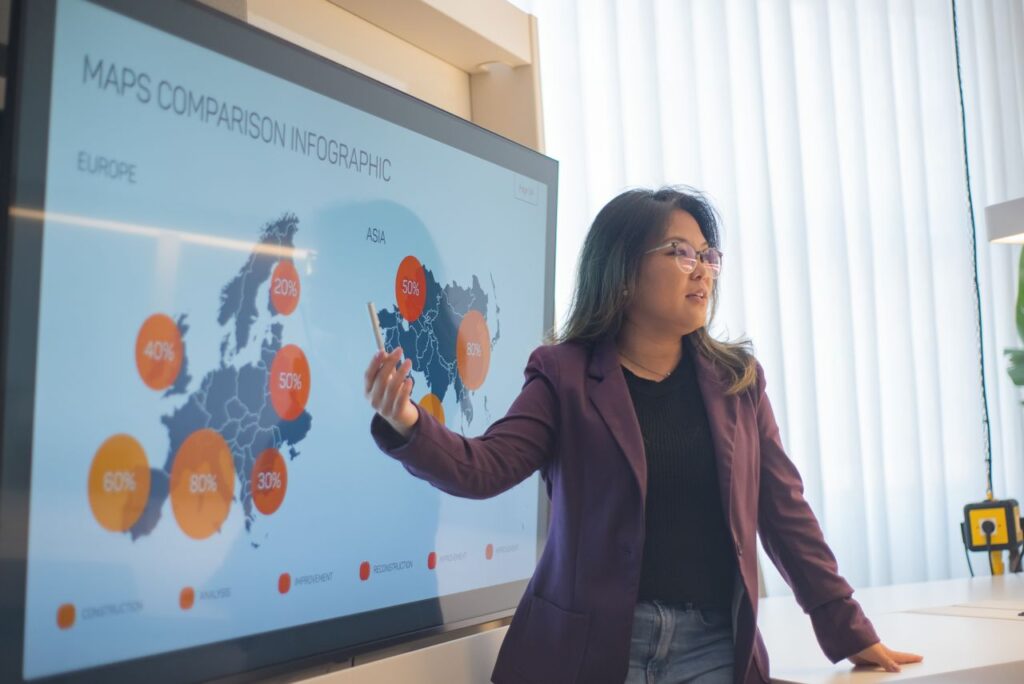
Vietnam is the clear winner. Pegatron completed a USD 1 billion EMS facility in Vietnam in 2024 to manufacture consumer and automotive electronics, capitalising on the country's growing reputation as a cost-effective alternative to China.
Vietnam produces consumer wearables, smart home sensors, and increasingly complex electronics for global brands. Its position in Apple's supply chain has driven sustained investment from Taiwanese contract manufacturers.
Malaysia holds a strong existing position in assembly, testing, and packaging. Port congestion in Southeast Asia and sporadic airfreight gaps have stretched component transit times by up to two weeks, squeezing just-in-time schedules and elevating working capital needs for EMS operators across the region.
Thailand and Indonesia are attracting automotive electronics and industrial manufacturing. Thailand's established OEM relationships and Indonesia's domestic market scale create different but complementary opportunities for EMS operators.
Three forces are accelerating the shift simultaneously.
Export control policies on advanced semiconductors complicate planning for EMS contractors serving both Chinese and non-Chinese brands, creating compliance complexity that makes geographic diversification operationally necessary.
OEMs are increasing EMS partnerships by 7% to 10%, with EV and 5G infrastructure expansion creating new manufacturing volume that existing Chinese facilities cannot absorb exclusively.
Localised shortages of automotive-grade microcontrollers and high-frequency RF chips, where lead times exceed 26 weeks, are pushing EMS firms to qualify alternative suppliers across the region.
The gap between FDI announcements and operational reality is wide in this sector.
Factory construction timelines in Vietnam, Malaysia, and Indonesia frequently run six to twelve months behind initial projections. Talent availability for skilled electronics assembly is a persistent constraint that headline investment figures do not reflect.
Component logistics remain complex. Port infrastructure across non-Singapore Southeast Asian hubs creates transit variability that affects just-in-time production schedules in ways that published supply chain analyses consistently underestimate.
For teams conducting due diligence or market assessment across Southeast Asia's manufacturing landscape, primary intelligence from EMS operators, procurement executives, and logistics specialists who are currently managing these transitions is the layer that public data cannot replace.
Researching EMS migration or manufacturing supply chain in Southeast Asia? Connect with Konnect and get matched with the right specialist within days. [Talk to Konnect]
Connect with Konnect and get matched with the right specialist within 48 hours.
Medtech regulations in Southeast Asia are at an inflection point. The region is moving toward harmonisation through the ASEAN Medical Device Directive. At the same time, each country maintains its own regulatory authority with distinct timelines, requirements, and implementation practices.
For medical device manufacturers, healthtech firms, and investors, understanding the gap between published regulatory frameworks and operational reality is essential before entering any Southeast Asian market.
In 2025, regulatory harmonisation across Southeast Asia gained momentum, led by the ASEAN Medical Device Directive, which is reshaping the region's medical device landscape by establishing more unified standards for registration, classification, and post-market surveillance.
That harmonisation is real but incomplete. Country-level variation remains significant.
The ASEAN Medical Device Directive was signed in 2015 by all ten member states. The framework ties these markets together through a harmonised risk-based classification system and the adoption of the Common Submission Dossier Template, which standardises registration documentation across the region.
The CSDT simplifies multi-market submissions in principle. In practice, each country interprets and implements the framework at a different pace.
Singapore leads adoption. Singapore's HSA now accepts both the ASEAN CSDT and the IMDRF ToC formats for registration submissions, giving manufacturers flexibility to use the format that best suits their multi-market strategy.
Malaysia is one of the most progressive regulators. Malaysia acceded to MDSAP in September 2025, creating a pathway for manufacturers with MDSAP certification to streamline their Malaysian submissions. Malaysia also updated its ASEAN Medical Device Classification List in July 2025.
The Indonesian government issued the Omnibus Health Law in 2023, which contains incentives for pharmaceutical and medical device manufacturers to conduct research and development activities in Indonesia using local raw materials.
BPOM registration timelines remain among the longest in the region. Recent system upgrades have improved processing speed, but practical timelines for Class B and above devices often exceed published targets.
Regulatory evolution is fast. Malaysia published draft guidance on change management for medical devices in December 2025 and is enforcing mandatory ePermit requirements for all registered medical devices, with full enforcement postponed to July 2027.
The regulatory gateway for the region. Devices approved by HSA are often used as reference for submissions in other ASEAN markets. Singapore introduced a Cybersecurity Labeling Scheme for Medical Devices in March 2025, with other ASEAN regulators expected to follow.
Both markets are implementing AMDD-aligned classification systems. The Philippines FDA received a new Director General in July 2025, which typically signals a period of regulatory priority-setting that affects approval timelines.
For medtech firms planning multi-market entry across Southeast Asia, understanding which regulatory pathways are genuinely fast and which are bottlenecked in practice requires direct practitioner knowledge.
Published regulatory timelines rarely reflect operational reality. Three gaps are most consequential.
Class B and above device registrations in Indonesia, Vietnam, and the Philippines routinely take longer than published targets. Understanding realistic timelines for a specific device category in a specific market requires practitioners who have recently submitted.
AMDD requires post-market surveillance reporting, but enforcement varies significantly. Understanding what regulators are actually prioritising requires current in-market knowledge.
Software as a Medical Device is a fast-moving category across the region. The Philippines published a new medical device software regulation draft in May 2025. How regulators classify and approve digital health tools is evolving faster than any published guide captures.
For Indonesia-specific regulatory research or broader regional market access planning, primary intelligence from practitioners with direct regulatory engagement experience is the most reliable input available.
Connect with Konnect and get matched with the right specialist within 48 hours.
An Asia-focused private equity firm was evaluating a significant acquisition in the K-12 international education sector. The target operated a network of international schools across Malaysia, Vietnam, and Indonesia, offering IB and British curriculum programmes to expatriate and upper-middle-class local families.
The investment thesis was grounded in structural demand: a growing affluent class across all three markets, limited supply of high-quality international school places, and the pricing power that capacity constraints created. The financial metrics supported the thesis at the surface level.
What the team could not establish from the data room was whether the operational quality and regulatory position of the network matched what the financials implied. Three questions drove the primary research mandate.
Konnect ran simultaneous searches across all three markets. For Malaysia, the priority was practitioners with direct senior leadership experience at international schools in Kuala Lumpur and the Klang Valley, specifically people who understand admissions, curriculum delivery, and parent relationships in the competitive KL international school market.
For Vietnam, the search targeted practitioners with regulatory experience navigating the foreign investment framework for private education in Vietnam, combined with operational experience in Ho Chi Minh City's international school sector.
For Indonesia, the team sought practitioners with experience in both the Jakarta international school market and the regulatory environment for foreign-curriculum schools under the Ministry of Education's framework.
Initial practitioners were confirmed within five days across all three markets.

The school leadership practitioner for Malaysia provided a ground-level assessment of how the target's schools were perceived relative to key competitors in the KL market. The intelligence revealed a specific reputational issue in one campus that was not visible in the official complaints data but was consistently raised in parent community discussions. This context materially changed the team's assessment of that campus's near-term enrollment growth assumptions.
The regulatory practitioner for Vietnam provided direct intelligence on how the Ministry of Education's evolving position on foreign curriculum schools was being implemented in practice. The practitioner confirmed that the regulatory risk the team had identified in published policy was more acute than the target's management had represented, with specific implications for one of the network's Vietnamese campuses that was operating under a regulatory arrangement that was unlikely to survive a compliance review.
The Indonesian school sector practitioner provided detailed intelligence on the pipeline of new international school capacity being developed in Jakarta's primary and secondary catchment areas, including two projects from well-capitalised operators that were not yet visible in published competitive analyses but would directly compete with the target's strongest-performing Jakarta campus.
"Three markets, three different risk profiles. The Vietnam regulatory finding alone justified the entire primary research investment. We restructured the deal terms based on that one session."
Investment Manager, Asia-focused Private Equity Firm
The PE firm revised its valuation and deal structure for the Vietnam component of the acquisition based directly on the regulatory intelligence. The Indonesia competitive pipeline intelligence led to a reduction in the forward enrollment growth assumptions for the Jakarta campus. The Malaysia reputational finding was incorporated into the post-acquisition operational priorities.
The firm proceeded with a revised deal structure that addressed the risks surfaced through primary research, producing a more defensible investment case than the initial analysis had supported.
For PE teams conducting education sector due diligence across Southeast Asia, the operational and regulatory intelligence that determines whether an education investment performs as modelled consistently lives in practitioners rather than in published sources. Konnect's coverage across Indonesia, Malaysia, and Vietnam gives investment teams the access they need within deal timelines.
Connect with Konnect and get matched with the right specialist within 48 hours.
Home care devices in Southeast Asia are no longer a niche category.
They are a growing segment of the region's healthcare infrastructure, driven by aging demographics, rising chronic disease prevalence, and healthcare systems that cannot absorb demand through hospital beds alone.
Southeast Asia's home healthcare market is projected to grow at a CAGR of 9.5% from 2025 to 2033, supported by increasing adoption of telemedicine, remote monitoring devices, and wearable health technology that enables healthcare professionals to manage patients outside clinical settings. Syfe
For medtech firms, healthcare investors, and corporate strategists, the opportunity is real. The operational complexity of reaching patients across this fragmented region is equally real.

ASEAN's share of citizens aged over 60 will double from 11% in 2020 to 22% by 2050, creating sustained demand for diagnostics, home monitoring, and digital health solutions that the region's existing hospital infrastructure cannot absorb at scale. Krungsri
Public hospital systems across Indonesia, Vietnam, and the Philippines are structurally underfunded relative to population needs. Home-based care reduces the pressure on inpatient capacity and lowers the cost of managing chronic conditions for patients and systems alike.
Southeast Asia's medical wearable devices market was valued at USD 2.08 billion in 2024 and is projected to grow at a CAGR of 21.46% through 2033, with monitoring devices holding the largest share due to their real-time tracking of heart rate, blood pressure, and glucose levels.
The home care device opportunity varies significantly across markets.
Indonesia has the largest domestic demand. Over 1,300 hospitals and laboratories in Indonesia rely on imported medical equipment, reflecting the gap between domestic manufacturing capability and the scale of healthcare demand. Home monitoring devices for diabetes, hypertension, and respiratory conditions are growing fastest.
Singapore leads on technology integration. The market definition has expanded beyond traditional hospital equipment to include home care devices and wearable health monitors, reflecting a regional shift toward preventive and personalised medicine.
Malaysia and Thailand are investing in infrastructure that supports home-based care. Malaysia invested USD 1.1 billion in healthcare infrastructure in 2024. Thailand maintains strong government incentives for medical device investment and is a major exporter of single-use devices and implants.
For medtech firms evaluating market entry across Southeast Asia's healthcare landscape, or for investment teams assessing home care device businesses, Konnect connects you with practitioners who understand each market's distribution dynamics, regulatory requirements, and reimbursement realities from the inside.
Home care devices need to reach patients outside major urban centres. In Indonesia, Vietnam, and the Philippines, reaching provincial and rural populations requires distribution networks that most multinational medtech firms have not built.
Understanding how BPOM in Indonesia, the FDA in the Philippines, and MDA in Malaysia are actually processing home care device registrations requires practitioners who have completed these processes recently.
Public health insurance coverage of home care devices is nascent across most Southeast Asian markets. The addressable market for many devices remains concentrated among upper-income urban populations, and understanding where that boundary sits requires ground-level intelligence.
For teams conducting Indonesia-specific or regional healthcare research, primary intelligence from distributors, hospital procurement specialists, and regulatory practitioners consistently surfaces the operational detail that market size reports do not capture.
Connect with Konnect and get matched with the right specialist within 48 hours.