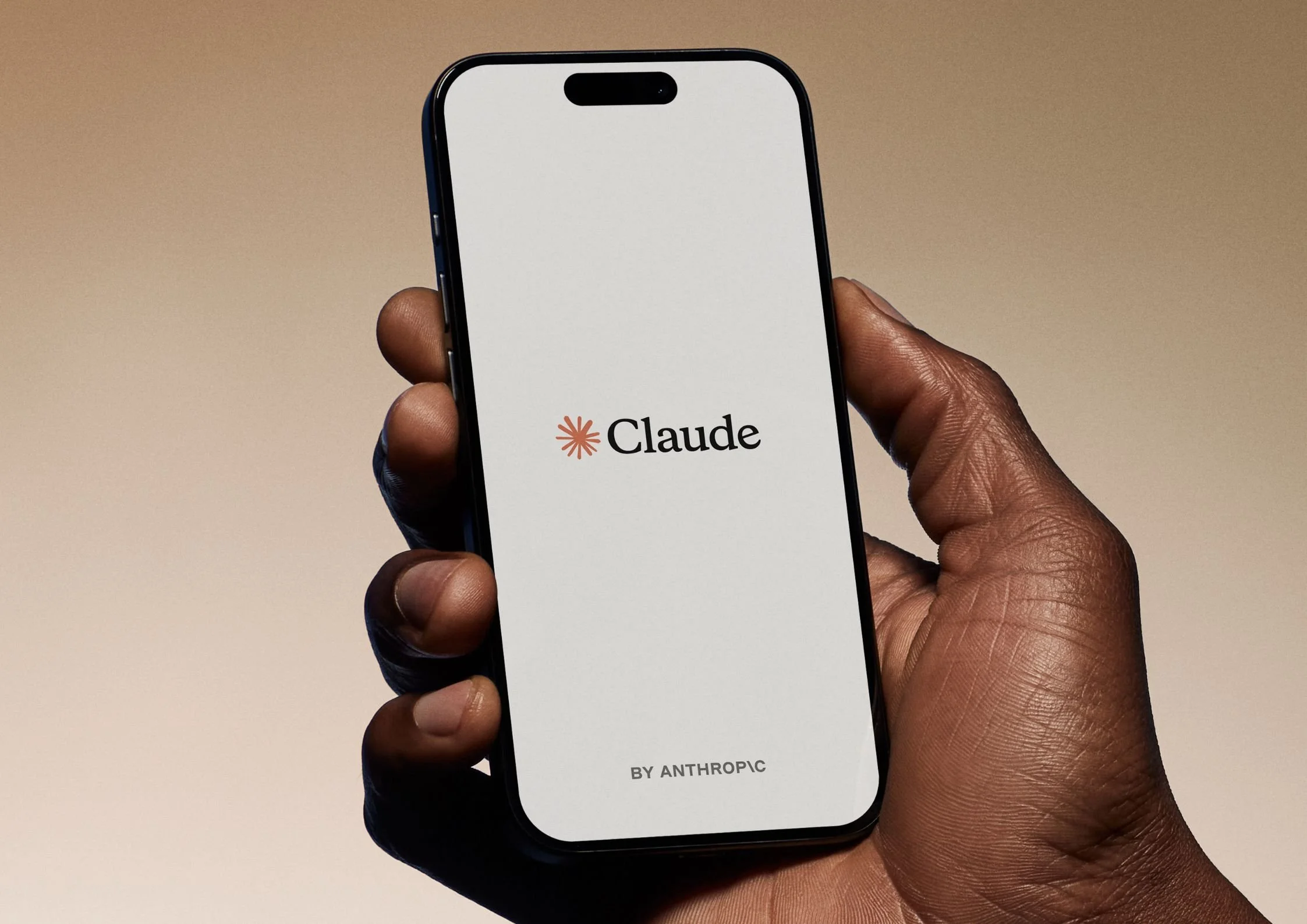
Something significant shifted in early 2026. Anthropic released Claude Opus 4.6 in February, and within days, investors wiped billions from enterprise software stocks. Not because the model was slightly better than the previous version. Because it was good enough to perform tasks that entire software categories had been built around.
The markets were not panicking about a chatbot upgrade. They were repricing the assumption that specialized human-facing software could hold its value in a world where a general-purpose AI model could do the same job, faster, at a fraction of the cost.
For business leaders across Southeast Asia, the question is no longer whether AI will affect their industry. It is whether they understand the transformation well enough to respond to it before their competitors do.
Claude Opus 4.6 launched on February 5, 2026 with a 1-million-token context window, the ability to coordinate teams of AI agents simultaneously, and performance that Anthropic described as particularly strong for financial analysis and research tasks including screening, due diligence data gathering, and market intelligence synthesis.
To put the context window in practical terms: one million tokens is enough to process an entire year of corporate filings, a multi-hundred-page regulatory document set, or a large codebase, in a single session. The model does not need to be fed information in chunks. It reads everything at once and reasons across the full picture.
The release sent financial data providers into a selloff, with FactSet Research Systems dropping 10% and S&P Global, Moody's, and Nasdaq all declining sharply, as investors questioned whether AI-native research and analysis tools would displace the incumbents. This is a signal about the pace and breadth of AI capability expansion.
Claude is one of three dominant AI model families shaping enterprise adoption globally in 2026. The others are OpenAI's GPT-4o and GPT-5 family, and Google's Gemini Ultra.
Each has a different positioning. OpenAI leads in consumer adoption and developer ecosystem size. Consumer web traffic data from January 2026 shows ChatGPT at approximately 64.5% of AI chatbot traffic and Gemini at 21.5%, with Claude's consumer share smaller but enterprise traction significantly stronger.
Claude's enterprise positioning is distinctive. Three enterprise data points define Anthropic's actual position: Claude Code revenue grew 5.5x between Q1 and Q3 2025. Claude Enterprise provides 500,000-token context windows, more than double what ChatGPT Enterprise offers, enabling use cases like processing an entire year of financial filings or a 300-file codebase in a single prompt. The Claude Marketplace, launched March 6, 2026, consolidates procurement across six partner tools into a single billing relationship.
Anthropic now has more than 1,000 business customers paying over USD 1 million annually for Claude services, with annualized run-rate revenue reaching USD 30 billion in early 2026, up from USD 9 billion at the end of 2025.
Southeast Asia is not a passive observer of the global AI transformation. The region is an active adoption market, with penetration patterns that reflect both the opportunity and the structural constraints of emerging economies.
In countries like Indonesia, 80% of respondents see AI products and services as more beneficial than harmful, compared to only 39% in the United States, reflecting significantly higher baseline enthusiasm for AI adoption across the region.
Singapore is the regional anchor. Singapore accounts for USD 8.4 billion in AI venture capital investment, significantly surpassing Malaysia at USD 371 million, Thailand at USD 255 million, Vietnam at USD 95 million, and the Philippines at USD 126 million, with an AI market projected to reach USD 4.64 billion by 2030 at a 28.10% annual growth rate.
The adoption patterns vary by sector. Financial services, technology, and logistics have seen the deepest penetration. Healthcare, manufacturing, and consumer goods are earlier in the cycle but moving fast. The regulatory environment across the region is diverging: Singapore has a principles-based framework that is relatively permissive, while Indonesia and Malaysia are building more prescriptive frameworks that will shape how AI can be deployed in regulated sectors.

AI is reshaping credit scoring, fraud detection, wealth management, and compliance workflows across the region's banks, fintechs, and asset managers. The displacement of traditional financial data providers visible in Western markets is beginning to manifest in Southeast Asia as well, as regional firms evaluate whether AI-native tools can replace legacy data subscriptions.
The developer ecosystem impact of Claude Code and similar AI coding tools is significant. Engineering teams at technology companies across the region are restructuring workflows around AI-assisted development, changing how they hire, how they scope projects, and how they evaluate build-versus-buy decisions.
Regulatory complexity in healthcare AI is high across all SEA markets. The transformation is real but uneven: diagnostic AI is moving faster than administrative AI, and the gap between what the technology can do and what regulators will allow remains wide in several markets.
AI-driven personalization, inventory optimization, and demand forecasting are being deployed at scale by the region's e-commerce platforms. The implications for suppliers, distributors, and brand owners are still being worked through.
The pace of AI transformation across these sectors creates a specific intelligence problem. The practitioners who understand what is actually happening inside each sector's AI adoption cycle are ahead of any published analysis by months. Regulatory decisions, competitive moves, and implementation realities are visible to people inside the transformation before they appear in any report.
For investment teams evaluating AI-exposed assets, corporate strategists assessing competitive risk, and consulting firms advising clients on AI strategy, the relevant intelligence is primary. It comes from AI engineers who have built and deployed these systems, from technology executives who have navigated the procurement and implementation decisions, and from regulatory practitioners who understand how each market's framework is actually being applied.
This is precisely the expertise layer that expert networks serving Southeast Asia are structured to provide. Konnect's network includes AI engineers, machine learning architects, technology executives, and AI policy specialists across the region's major markets. For teams that need to understand not just what Claude or any other AI model can do, but how organizations are actually adapting to it, the practitioner layer is where the real intelligence sits.
Connect with Konnect and get matched with the right AI and technology specialist.