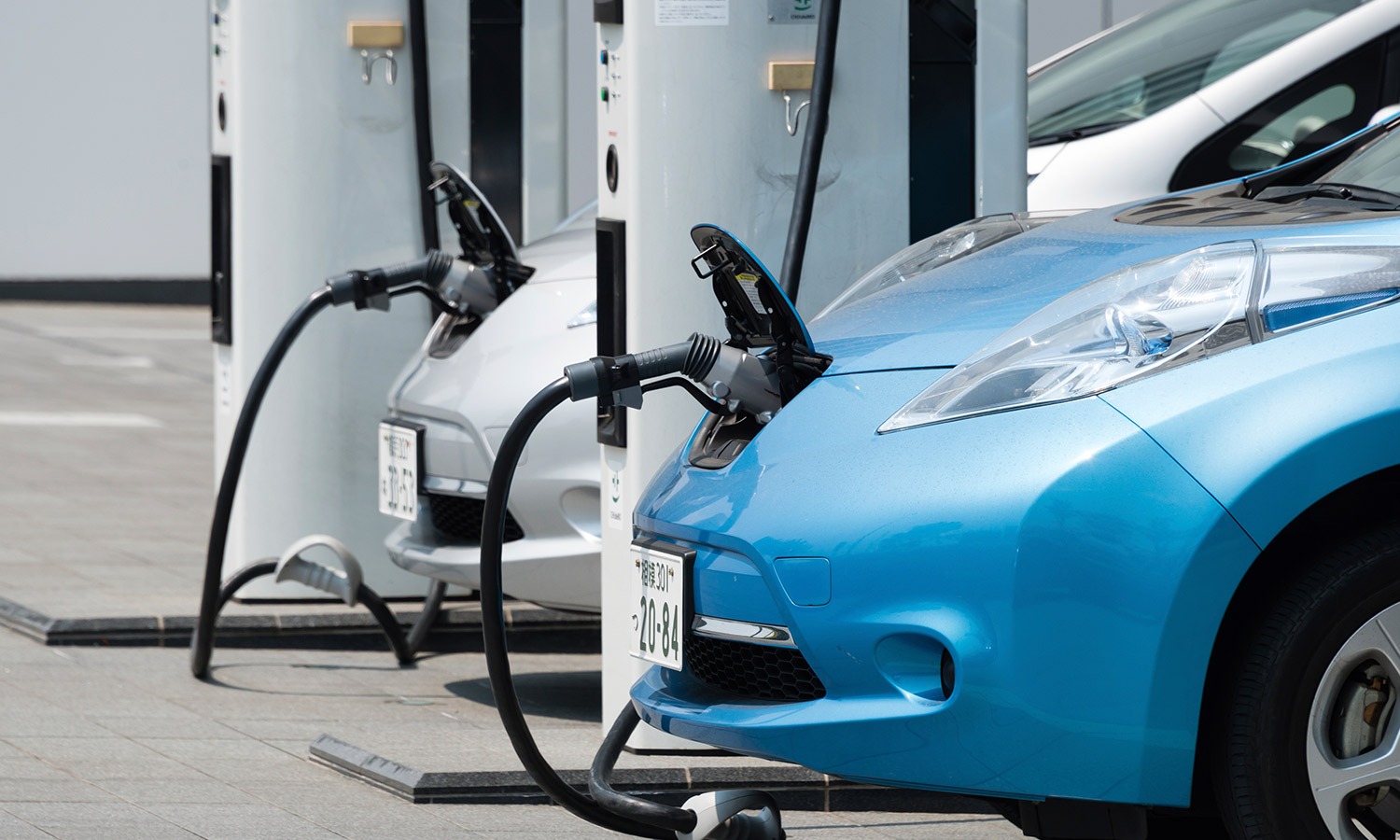
The assumption that electric vehicle adoption would be led by Europe, China, and the United States is no longer accurate. Southeast Asia has entered the global EV conversation not as a follower but as one of its fastest-moving participants.
Singapore and Vietnam have reached EV sales shares around 40% of new car sales, overtaking levels seen in the United Kingdom and the European Union. Indonesia has reached 15%, surpassing the United States for the first time. Thailand has reached 21% and has sold more EVs in the first three quarters of 2025 than Denmark.
These are not projected figures. They are current market realities that have emerged faster than most published forecasts anticipated. For investment teams, corporate strategists, and policy analysts tracking the automotive sector in the region, the pace of this transition is creating a research environment where what was true twelve months ago is frequently no longer accurate today.
The EV transition across Southeast Asia is not a single story. Each market is moving at a different pace, driven by a different combination of policy, infrastructure, consumer behaviour, and supply chain dynamics.
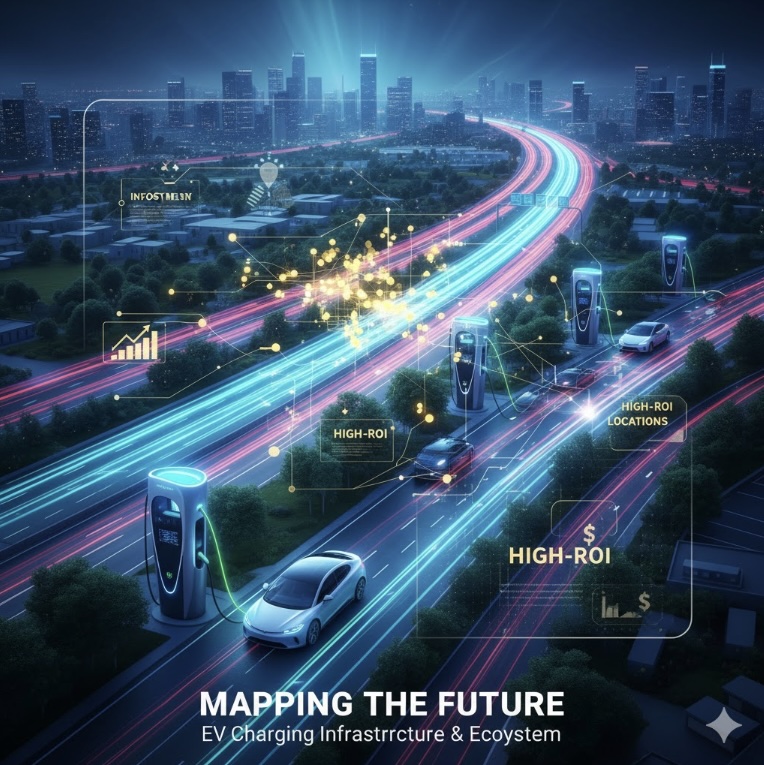
Vietnam has produced one of the most striking EV adoption stories globally. Close to 40% of Vietnam's new car sales in 2025 have been electric vehicles, almost all of them battery electric vehicles made by local manufacturer VinFast, with the VF 3 model becoming the highest-selling car in the country.VinFast's strategy of building its own charging network and initially selling into affiliated ride-hailing fleets before pivoting to the consumer market is a case study in how a domestic manufacturer can accelerate adoption by controlling the ecosystem rather than waiting for infrastructure to develop independently.
Thailand is Southeast Asia's most significant automotive manufacturing hub and the market where the OEM transition has the most complex implications. Chinese imports account for 85% of electric car sales in Thailand, but as import taxes begin to normalise under the EV 3.5 program, Chinese manufacturers like BYD and Great Wall Motors are setting up local production facilities to maintain their competitive position.The shift from import-led growth to locally manufactured EV production is the defining structural change in Thailand's automotive market.
Indonesia is building its EV strategy from the supply chain upward. Indonesia holds 52% of global nickel reserves, a critical raw material for EV batteries, and the Indonesia Battery Corporation is orchestrating joint ventures targeting 140 GWh of cell capacity by 2030, positioning the country as a pivotal supply chain node in the global EV ecosystem. CATL commenced its Indonesian battery plant in July 2025, designed to provide localized and high-capacity cells to Southeast Asian manufacturers.
Malaysia is developing its position as both a consumer market and a manufacturing destination. Malaysia's EV sales jumped from 850 units in 2021 to 14,800 in 2024 driven by import duty waivers and a 10,000 charger roadmap, while Volvo has set up assembly for BEVs in Malaysia.
No analysis of Southeast Asia's EV market is complete without examining the role of Chinese manufacturers. In Thailand, Chinese imports play a key role in electrification, accounting for 85% of electric car sales, while across the region Chinese OEMs such as BYD, Chery, and SAIC are showing strong growth as consumer preference shifts toward electrified vehicles at affordable price points.
Chinese OEMs have moved into Southeast Asia with a price and product combination that incumbent Japanese manufacturers, who still hold more than 75% of the overall passenger car market in Indonesia, Thailand, and the Philippines, have struggled to match in the EV segment. The assumption that EV growth will stall outside Europe and China is already outdated. Emerging markets will shape the future of the global car market, with the choices made now on charging infrastructure and early support determining how fast this momentum continues.
The pace and complexity of the EV transition across Southeast Asia creates specific research challenges for investment teams and corporate strategists.
Policy is moving faster than published analysis. Incentive structures, import tariff schedules, and local content requirements are changing across all five major markets simultaneously. Understanding what the current regulatory environment means for a specific OEM, battery manufacturer, or infrastructure operator requires practitioners who have engaged with these frameworks directly and recently.
Competitive dynamics are shifting at the OEM, supplier, and infrastructure level simultaneously. The entry of Chinese manufacturers, the response of Japanese incumbents, and the emergence of domestic brands like VinFast are all reshaping competitive positions faster than analyst coverage can track. Primary intelligence from operators inside these dynamics provides the current picture that published sources lag by months.
Supply chain intelligence is particularly valuable given Indonesia's nickel positioning and the regional battery manufacturing buildout. Understanding which joint ventures are progressing as announced, where the bottlenecks are in cell production capacity, and how the shift from import dependency to local manufacturing is actually proceeding requires access to practitioners inside the supply chain.
For teams conducting research across Southeast Asian markets, Konnect's coverage includes automotive executives, EV supply chain specialists, policy practitioners, and infrastructure operators across the region's key markets. The EV transition is one of the fastest-moving research environments in Southeast Asia today. The intelligence that matters most is current, specific, and primary.
Connect with Konnect and get matched with the right specialist within days.