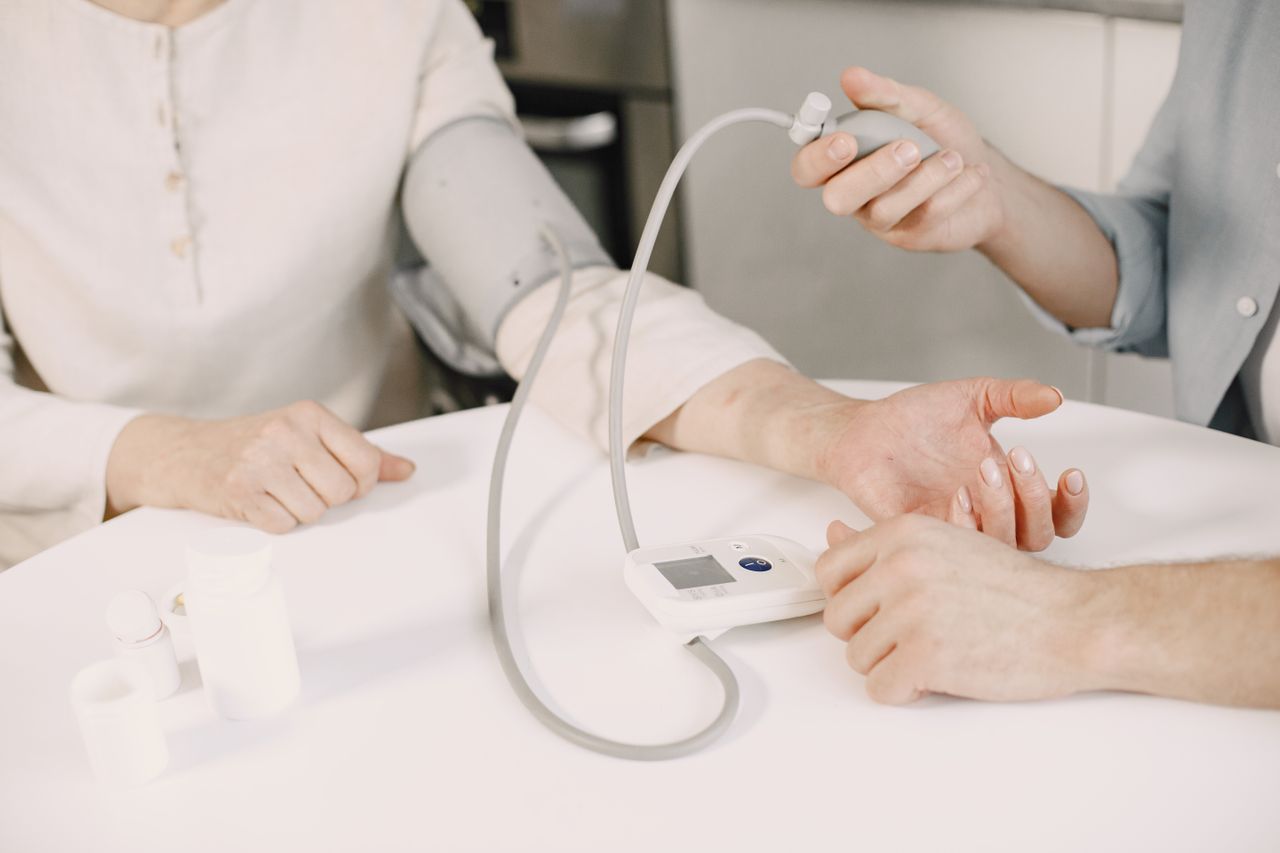
Home care devices in Southeast Asia are no longer a niche category.
They are a growing segment of the region's healthcare infrastructure, driven by aging demographics, rising chronic disease prevalence, and healthcare systems that cannot absorb demand through hospital beds alone.
Southeast Asia's home healthcare market is projected to grow at a CAGR of 9.5% from 2025 to 2033, supported by increasing adoption of telemedicine, remote monitoring devices, and wearable health technology that enables healthcare professionals to manage patients outside clinical settings. Syfe
For medtech firms, healthcare investors, and corporate strategists, the opportunity is real. The operational complexity of reaching patients across this fragmented region is equally real.
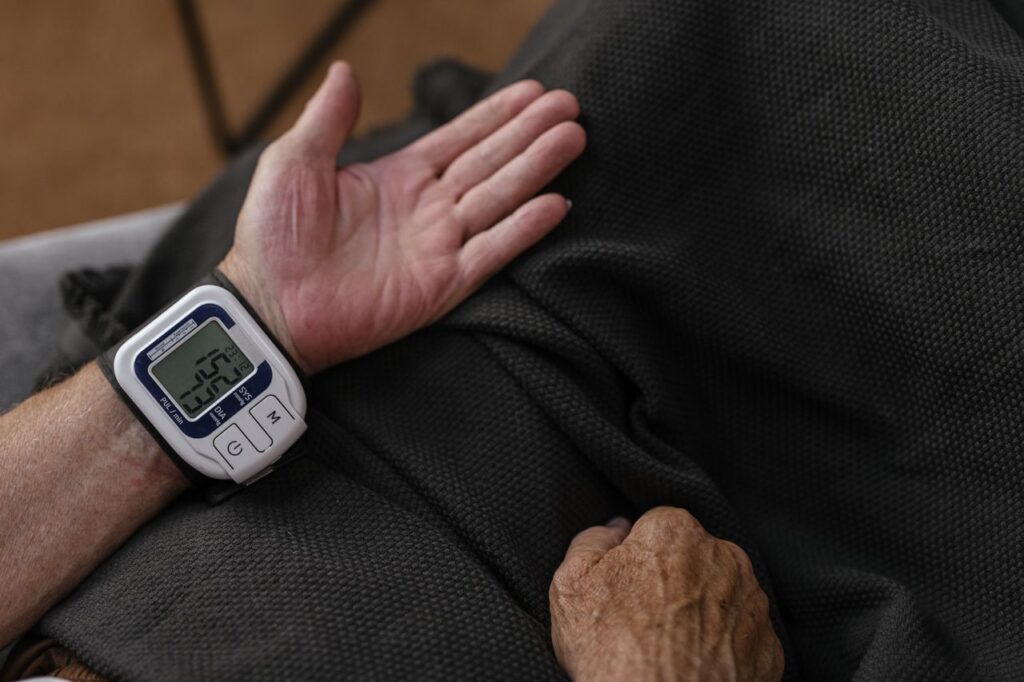
ASEAN's share of citizens aged over 60 will double from 11% in 2020 to 22% by 2050, creating sustained demand for diagnostics, home monitoring, and digital health solutions that the region's existing hospital infrastructure cannot absorb at scale. Krungsri
Public hospital systems across Indonesia, Vietnam, and the Philippines are structurally underfunded relative to population needs. Home-based care reduces the pressure on inpatient capacity and lowers the cost of managing chronic conditions for patients and systems alike.
Southeast Asia's medical wearable devices market was valued at USD 2.08 billion in 2024 and is projected to grow at a CAGR of 21.46% through 2033, with monitoring devices holding the largest share due to their real-time tracking of heart rate, blood pressure, and glucose levels.
The home care device opportunity varies significantly across markets.
Indonesia has the largest domestic demand. Over 1,300 hospitals and laboratories in Indonesia rely on imported medical equipment, reflecting the gap between domestic manufacturing capability and the scale of healthcare demand. Home monitoring devices for diabetes, hypertension, and respiratory conditions are growing fastest.
Singapore leads on technology integration. The market definition has expanded beyond traditional hospital equipment to include home care devices and wearable health monitors, reflecting a regional shift toward preventive and personalised medicine.
Malaysia and Thailand are investing in infrastructure that supports home-based care. Malaysia invested USD 1.1 billion in healthcare infrastructure in 2024. Thailand maintains strong government incentives for medical device investment and is a major exporter of single-use devices and implants.
For medtech firms evaluating market entry across Southeast Asia's healthcare landscape, or for investment teams assessing home care device businesses, Konnect connects you with practitioners who understand each market's distribution dynamics, regulatory requirements, and reimbursement realities from the inside.

Home care devices need to reach patients outside major urban centres. In Indonesia, Vietnam, and the Philippines, reaching provincial and rural populations requires distribution networks that most multinational medtech firms have not built.
Understanding how BPOM in Indonesia, the FDA in the Philippines, and MDA in Malaysia are actually processing home care device registrations requires practitioners who have completed these processes recently.
Public health insurance coverage of home care devices is nascent across most Southeast Asian markets. The addressable market for many devices remains concentrated among upper-income urban populations, and understanding where that boundary sits requires ground-level intelligence.
For teams conducting Indonesia-specific or regional healthcare research, primary intelligence from distributors, hospital procurement specialists, and regulatory practitioners consistently surfaces the operational detail that market size reports do not capture.

Connect with Konnect and get matched with the right specialist within 48 hours.