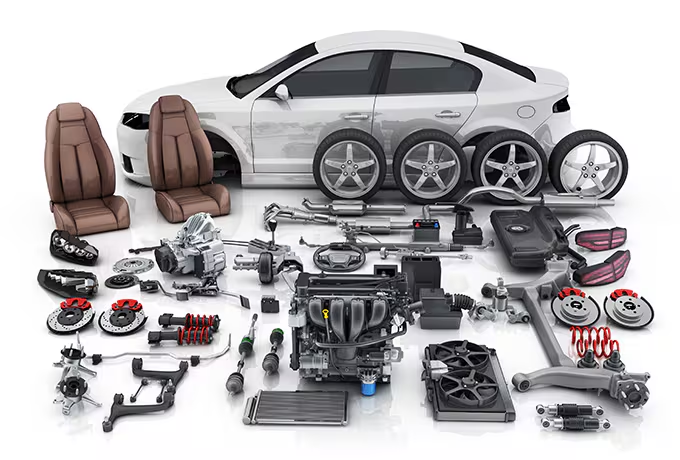
A global management consulting firm was advising a multinational automotive manufacturer on its Southeast Asian supply chain strategy.
The client was evaluating which component categories to continue sourcing locally, which to consolidate into fewer suppliers, and how the accelerating EV transition was affecting the capability and financial resilience of its existing Tier 1 and Tier 2 supplier base across Thailand and Indonesia.
The research mandate had three specific dimensions.
The consulting team had strong sector knowledge at the global level. What they needed was current, ground-level operational intelligence specific to Thailand and Indonesia that their desk research had not produced.
Konnect received the brief and ran parallel searches for Thailand and Indonesia simultaneously.
For Thailand, the priority was practitioners with direct OEM-facing experience at Tier 1 suppliers, specifically people who had managed customer relationships with Japanese and Korean automotive OEMs through the transition from ICE to hybrid and EV production mandates.
For Indonesia, the search targeted practitioners with direct experience in the government-linked automotive component development programs and in the supply chain operations of Indonesian Tier 1 suppliers producing for both domestic and export markets.
The team confirmed initial practitioners within 48 hours of the brief. Four expert sessions were completed across both markets within six days.
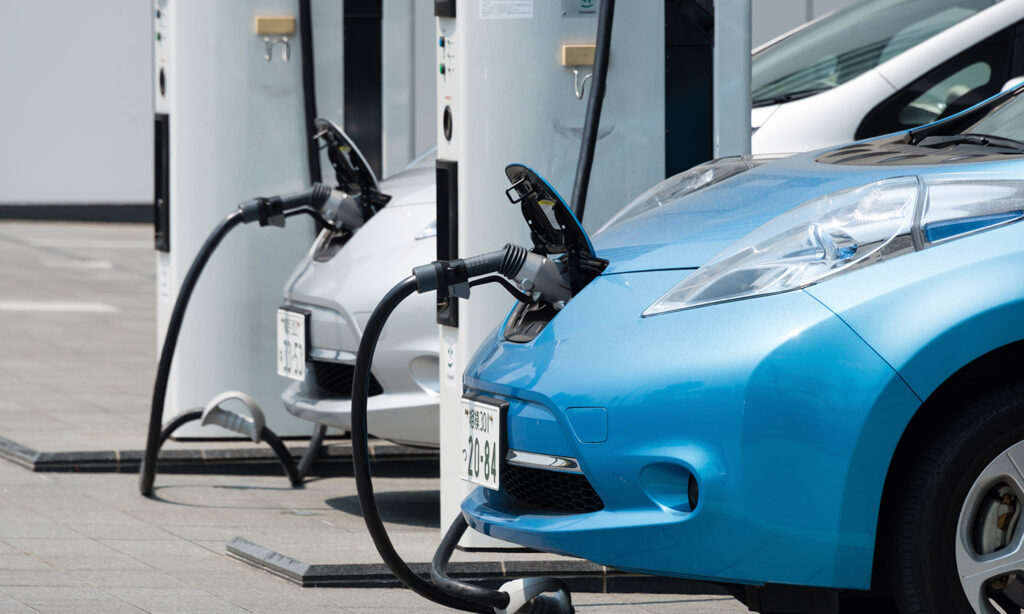
The practitioner from a Thai Tier 1 supplier with OEM relationship experience provided a precise picture of how the EV transition was actually affecting supplier economics. The key finding was that the transition timeline being communicated by Japanese OEMs to their Thai suppliers was significantly more conservative than the public announcements suggested, creating a different financial planning horizon for affected suppliers than published industry analysis implied. This directly affected the consulting team's assessment of supplier financial resilience.
The Indonesian component sector practitioner provided a detailed assessment of the gap between the government's stated ambition for domestic EV component production and the actual technical capability of existing suppliers to make that transition. The intelligence surfaced a specific set of capability requirements that Indonesian Tier 2 suppliers were consistently unable to meet under current investment levels, a finding relevant to the client's sourcing consolidation strategy.
A third session with a supply chain operations specialist covering both markets provided current intelligence on how rising labour costs in Thailand were affecting the cost competitiveness of Thai component production relative to Indonesia and Vietnam, and how logistics infrastructure gaps in specific Indonesian provinces were constraining the growth of component manufacturing outside Java.
"The OEM transition timeline information was the most valuable thing we got. Everything we had read publicly pointed in one direction. The practitioner pointed the other direction. That changed our recommendation."
Project Lead, Global Management Consulting Firm
The team revised its supplier resilience assessment for Thailand's ICE component sector and adjusted its Indonesia sourcing recommendation based on the capability gap intelligence. The revised analysis produced a more conservative assessment of how quickly Indonesian suppliers could realistically absorb the volume that the client was considering shifting from Thai to Indonesian sources.
The client proceeded with a phased sourcing consolidation approach rather than the accelerated timeline that the initial analysis had supported.
For strategy and consulting teams researching Southeast Asia's automotive and manufacturing landscape, the OEM-facing knowledge held by Tier 1 supplier executives is consistently the most decision-relevant intelligence that published supply chain reports do not capture.

Connect with Konnect and get matched with the right specialist within 48 hours.